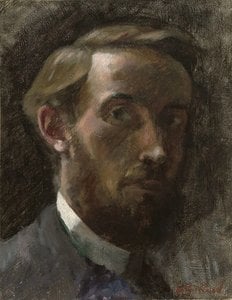
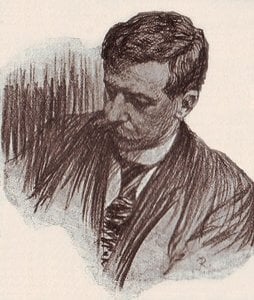
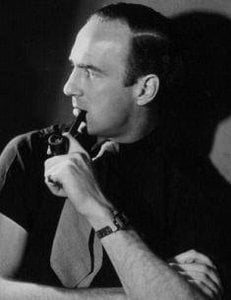
The Impressionist names to know

Famous Impressionist Painters: Our Top 100

If you remember one Impressionist painter, make it Vincent van Gogh (1853–1890), the name behind Starry Night (New York, MoMA) and The Potato Eaters. After that come Claude Monet, Paul Cézanne, Paul Gauguin and Édouard Manet. Our 100 picks go from Charles-François Daubigny (born 1817) to Amrita Sher-Gil (born 1913), from 22 countries.

How we picked them. We list the artists our catalogue links to Impressionist, from the most famous down. Artists born after 1955 that we cannot yet check on Wikidata are left out. The Wikipedia number shows in how many of our 32 languages Wikipedia writes about them.

  1. Starry Night (New York, MoMA) by Vincent van Gogh1Vincent van Gogh
  2. Impression, Sunrise by Claude Monet2Claude Monet
  3. The bathers Sun by Paul Cézanne3Paul Cézanne

Quick facts

Impressionist in a nutshell

  • 100Artists
  • 1817–1913Years of birth
  • 22Countries of birth
  • 14Women
  • 38,001Works in our catalogue
Cities with most births
Paris (10), London (3), Zundert (2), Saint Petersburg (2)

Meet them one by one

The 100 famous Impressionist painters, from most famous down

1of 100

Vincent van Gogh

From Zundert On Wikipedia in 32 of 32 languages

Vincent van Gogh

Vincent Willem Van Gogh was born on March 30, 1853, in Zundert, Netherlands. His brother Theo was born on 1 May 1857, and their connection would remain a constant through the many letters they exchanged over the years.

See them at To see the physical traces of his brushwork, one can travel to several specific collections.

Works to know · Their 100 best-known works

2of 100

Claude Monet

French From Paris Impressionism On Wikipedia in 32 of 32 languages

Claude Monet

While his father, Claude-Adolphe Monet, envisioned a more stable professional path for his son, his mother, Louise-Justine Aubrée Monet, offered a quiet support for his burgeoning creative inclinations. Tragedy arrived in January 1857, when Monet was sixteen years old.

Learned from Eugène Louis Boudin #21, Johan Jongkind #27

Works to know · Their 100 best-known works

3of 100

Paul Cézanne

French From Aix-en-Provence Post-Impressionism On Wikipedia in 32 of 32 languages

Paul Cézanne

Born on January 19, 1839, at 28 rue de l'Opéra in Aix-en-Provence, Paul Cézanne entered a world of established order. This financial stability provided a secure backdrop for the family, which included Paul and his two younger sisters, Marie and Rose.

See them at The physical presence of his vision remains scattered across several major institutions, allowing the viewer to trace his evolution from the dark, expressive brushwork of his youth to the structured clarity of his later years.

Works to know · Their 100 best-known works

4of 100

Paul Gauguin

French From Paris ['Post-Impressionist', 'Symbolist', 'Synthetism', 'Primitivism'] On Wikipedia in 32 of 32 languages

Paul Gauguin

This move was driven by his mother’s connections, as she was descended from the Peruvian aristocracy. He retained vivid recollections of the intense colors and sounds of his South American upbringing, impressions that would persist long after he returned to France.

See them at In Paris, the Musée d'Orsay preserves a significant portion of his output, offering a glimpse into the evolution of his color and form.

Learned from Camille Pissarro #11

Works to know · Their 100 best-known works

5of 100

Édouard Manet

French From former 10th arrondissement of Paris Realism, Impressionism, Avant-garde On Wikipedia in 31 of 32 languages

Édouard Manet

Édouard Manet was born in Paris on January 23, 1832. He spent much of his time in those galleries, standing before the canvases of the Old Masters and copying their methods.

Taught Eva Gonzalès #50

Works to know · Their 100 best-known works

6of 100

Edgar Degas

French From Paris Realism On Wikipedia in 32 of 32 languages

Edgar Degas

The name he would eventually simplify to Edgar Degas marks the beginning of a life defined by the tension between social expectation and artistic obsession.

See them at The traces of Degas's observation remain scattered across major institutions, preserved in the quiet halls of Paris and beyond.

Works to know · Their 100 best-known works

7of 100

Pierre-Auguste Renoir

French From Limoges Impressionism On Wikipedia in 32 of 32 languages

Pierre-Auguste Renoir

His father, Léonard Renoir, worked as a tailor, while his mother, Marguerite Renoir, was a dressmaker. In 1845, the family moved to Paris, seeking the opportunities offered by the capital.

See them at The distribution of his canvases across the globe reflects the widespread reach of his influence.

Works to know · Their 100 best-known works

8of 100

Georges Seurat

French From former 5th arrondissement of Paris ['Neo-Impressionism', 'Post-Impressionism', 'Pointillism', 'Divisionism', 'Chromoluminarism'] On Wikipedia in 30 of 32 languages

Georges Seurat

Born in Paris, France, on December 2, 1859, he was the son of Ernestine Faivre and Antoine Chrysostome Seurat, a man who had transitioned from a legal official to a property speculator in Champagne.

Works to know · Their 100 best-known works

9of 100

Berthe Morisot

French From Bourges Impressionism On Wikipedia in 30 of 32 languages

Berthe Morisot

Berthe Morisot was born on 14 January 1841 in Bourges, France. Her mother, Marie-Joseph-Cornélie Thomas, brought a connection to the Rococo tradition as the great-niece of Jean-Honoré Fragonard.

See them at To see her brushwork in person, one might start in Paris.

Works to know · Their 100 best-known works

10of 100

Henri De Toulouse-Lautrec

French From Albi Post-Impressionism On Wikipedia in 31 of 32 languages

Henri De Toulouse-Lautrec

Born on November 24, 1864, in Albi, France, Henri De Toulouse-Lautrec entered a world of significant social standing. He was the firstborn child of Count Alphonse de Toulouse-Lautrec Montfa and Adèle Zoë Tapié de Celeyran.

See them at The Musée Toulouse-Lautrec, housed within the Palais de la Berbie, maintains the most significant collection, containing over 1000 works that trace his evolution from an aristocratic youth to a chronicler of the Parisian night.

Works to know · Their 100 best-known works

11of 100

Camille Pissarro

Danish-French From Charlotte Amalie ['Impressionism', 'Neo-Impressionism', 'Post-Impressionism'] On Wikipedia in 31 of 32 languages

Camille Pissarro

Camille Pissarro enters the world on July 10, 1830, in Charlotte Amalie, Saint Thomas. This diverse background shapes a childhood far from the French mainland, set against the backdrop of the Danish West Indies.

See them at The weight of Pissarro's influence is felt most heavily in Paris.

Taught Paul Gauguin #4

Works to know · Their 100 best-known works

12of 100

Alfred Sisley

British From former 4th arrondissement of Paris Impressionism On Wikipedia in 31 of 32 languages

Alfred Sisley

His upbringing was shaped by the intersection of two cultures, as his parents, William Sisley and Felicia Sell, were British expatriates living in France. He entered the studio of the Swiss artist Marc-Charles-Gabriel Gleyre at the École des Beaux-Arts.

See them at In Paris, his presence is felt strongly within the Musée d'Orsay, which holds a significant number of his canvases.

Works to know · Their 100 best-known works

13of 100

John Singer Sargent

American From Florence Impressionism On Wikipedia in 27 of 32 languages

John Singer Sargent

Born in Florence, Italy, on January 12, 1856, John Singer Sargent entered a world shaped by the movement of his American expatriate parents, FitzWilliam and Mary Newbold Sargent.

Works to know · Their 100 best-known works

14of 100

Paul Signac

French From Paris Neo-Impressionism, Pointillism On Wikipedia in 29 of 32 languages

Paul Signac

He spent his time studying architecture at the Collège Rollin in Montmartre until 1880. By 1882, his path led him to the École des Arts-Décoratifs in Paris, where he sought to refine his technical abilities.

See them at The Musée d'Orsay holds nine of his works, offering a significant gathering of his vision.

Works to know · Their 100 best-known works

15of 100

Pierre Bonnard

French From Fontenay-aux-Roses Post-Impressionism, Intimism, Les Nabis On Wikipedia in 27 of 32 languages

Pierre Bonnard

He was born into a family of structured expectations; his father, Eugène Bonnard, held a senior position within the French Ministry of War.

See them at The physical presence of Bonnard’s vision remains scattered across several major institutions, allowing his specific approach to light and domesticity to be studied in various contexts.

Works to know · Their 100 best-known works

16of 100

Mary Cassatt

American From Allegheny Impressionism On Wikipedia in 32 of 32 languages

Mary Cassatt

Allegheny City, Pennsylvania, provides the setting for the birth of Mary Stevenson Cassatt on May 22, 1844. Her father, Robert Simpson Cassat, operates as a successful stockbroker and land speculator.

Works to know · Their 100 best-known works

17of 100

Émile Bernard

From Lille On Wikipedia in 28 of 32 languages

Émile Bernard

In 1878, the family relocated to Paris, where Bernard attended the Collège Sainte-Barbe. His expressive tendencies led to a suspension from the École des Beaux-Arts, prompting a formative journey through Brittany on foot.

Works to know · Their 100 best-known works

18of 100

Frédéric Bazille

French From Montpellier Impressionism On Wikipedia in 28 of 32 languages

Frédéric Bazille

Born in Montpellier, France, on December 6, 1841, into a prosperous Protestant family involved in wine production, Bazille initially seemed destined for a life far removed from the world of art. However, it was within the vibrant atmosphere of Paris, where he relocated in 1862 to continue his medical training, that Bazille’s artistic path truly began to unfold.

Works to know · Their 100 best-known works

19of 100

Gustave Caillebotte

French From Paris Realism and Impressionism On Wikipedia in 26 of 32 languages

Gustave Caillebotte

He studied painting in the studio of Léon Bonnat, a teacher known for emphasizing technical precision and anatomical accuracy. In 1873, he entered the École des Beaux-Arts, further cementing his technical grounding in the formal traditions of the era.

See them at The Musée d'Orsay holds a substantial portion of his output, including the large-scale Boating Party and the gritty, realistic The Floor Scrapers.

Works to know · Their 100 best-known works

20of 100

Joaquín Sorolla

Spanish From Valencia Luminism, Impressionism, Social Realism On Wikipedia in 27 of 32 languages

Joaquín Sorolla

He was the eldest child of a tradesman, Joaquín Sorolla, and his wife, Concepción Bastida. Life for the young boy was marked by a sudden and heavy silence when, in August 1865, a cholera epidemic claimed both of his parents.

See them at For those wishing to walk through the spaces that shaped his life, the Museo Sorolla in Madrid offers a rare glimpse into his private world.

Works to know · Their 100 best-known works

21of 100

Eugène Louis Boudin

French From Honfleur Precursor to Impressionism On Wikipedia in 26 of 32 languages

Eugène Louis Boudin

Born on 12 July 1824 in the port town of Honfleur, Normandy, France, Eugène Louis Boudin was a child of the sea. His formal path toward painting became clear when he earned a scholarship in 1850, which allowed him to leave Normandy for Paris.

See them at In Paris, the Musée d’Orsay preserves several of his canvases, allowing viewers to stand before the very brushstrokes that once inspired a generation of painters.

Works to know · Their 100 best-known works

22of 100

Suzanne Valadon

French From Bessines-sur-Gartempe Post-Impressionism On Wikipedia in 27 of 32 languages

Suzanne Valadon

Suzanne Valadon, born Marie-Clémentine Valadon in 1865 amidst the rural landscapes of Bénesse-sur-Gartempe, France, carved a singular path through the late 19th and early 20th century art world. For nearly a decade, Valadon worked as an artist’s model, posing for prominent figures like Pierre-Auguste Renoir, Henri de Toulouse-Lautrec, and Edgar Degas.

Taught Maurice Utrillo #28

Works to know · Their 100 best-known works

23of 100

Maurice Denis

French From Granville Nabis, Symbolism On Wikipedia in 26 of 32 languages

Maurice Denis

Maurice Denis, born in the coastal town of Granville, France, in 1870, occupies a fascinating position in art history —a pivotal figure straddling the waning days of Impressionism and the burgeoning currents of modern art. Alongside figures like Paul Sérusier and Pierre Bonnard, Denis rejected the naturalism of Impressionism in favor of flattened perspectives, bold colors, and evocative patterns.

Works to know · Their 100 best-known works

24of 100

Édouard Vuillard

French From Cuiseaux Les Nabis, Intimism On Wikipedia in 23 of 32 languages

Édouard Vuillard

Jean-Édouard Vuillard was born on 11 November 1868 in Cuiseaux, France. He faced setbacks when he failed to enter the École des Beaux-Arts in both 1886 and 1887.

See them at The quiet, patterned interiors that defined his career are preserved in several major international collections.

Works to know · Their 100 best-known works

25of 100

Amrita Sher-Gil

Hungarian-Indian From Budapest Modern Indian art, Avant-garde On Wikipedia in 20 of 32 languages

Amrita Sher-Gil

Born in Budapest in 1913 to a fascinatingly diverse parentage – Umrao Singh Sher-Gil Majithia, a Sikh aristocrat and scholar, and Marie Antoinette Gottesmann, a Hungarian Jewish opera singer – her life was destined to be one of compelling contrasts.

Works to know · Their 100 best-known works

26of 100

Charles-François Daubigny

French From Paris Barbizon School, Impressionism precursor On Wikipedia in 28 of 32 languages

Charles-François Daubigny

Charles-François Daubigny was born in Paris in 1817. In 1835, a small scholarship allowed him to leave Paris for Italy.

See them at Walking through the Musée d'Orsay in Paris, one finds much of his output.

Works to know · Their 100 best-known works

27of 100

Johan Jongkind

Dutch From Lattrop Impressionism forerunner On Wikipedia in 19 of 32 languages

Johan Jongkind

Johan Barthold Jongkind, a name perhaps less immediately recognizable than those of Monet or Renoir, occupies a pivotal position in the story of Impressionism. Though initially employed as a clerk, his inherent artistic inclinations led him to The Hague in 1837, where he began formal training under Andreas Schelfhout, a respected landscape painter steeped in the Dutch tradition.

Works to know · Their 100 best-known works

28of 100

Maurice Utrillo

French From 18th arrondissement of Paris Post-Impressionism, School of Paris On Wikipedia in 25 of 32 languages

Maurice Utrillo

His arrival into the world was marked by a certain ambiguity, as his mother, Suzanne Valadon, never revealed the identity of his father. Around 1904 to 1905, he began to paint under her watchful eye.

See them at To experience the quiet, textured streets of Montmartre through his eyes, one can travel to several major institutions.

Learned from Suzanne Valadon #22

Works to know · Their 100 best-known works

29of 100

Anders Zorn

Swedish From Mora Parish Impressionism On Wikipedia in 28 of 32 languages

Anders Zorn

Anders Leonard Zorn, a name synonymous with vibrant Impressionism and masterful portraiture, stands as Sweden’s most celebrated artist. Unlike many artists who sought formal training within established circles, Zorn's early education was rooted in the practicalities of rural life and an innate artistic sensibility that blossomed even before entering the Royal Swedish Academy of Arts at the remarkably young age of twelve.

Works to know · Their 100 best-known works

30of 100

Félix Vallotton

Swiss and French From Lannes Post-Impressionism, Symbolism, Les Nabis

Félix Vallotton

Upon arriving in Paris, he enrolled at the Académie Julian in January 1882. His talent was evident early on; in 1883, he succeeded in the competition to enter the École des Beaux-Arts.

See them at To encounter the quiet tension of Vallotton’s interiors, one might travel to the Cantonal Museum of Fine Arts in Lausanne, Switzerland, where The Red Room is kept.

Works to know · Their 100 best-known works

31of 100

Max Liebermann

German From Berlin Impressionism On Wikipedia in 27 of 32 languages

Max Liebermann

Born into a prosperous Jewish family in 1847 Berlin, Max Liebermann’s path to becoming one of Germany's foremost Impressionist painters wasn’t preordained. Beyond landscapes, Liebermann established himself as a highly sought-after portraitist, completing over 200 commissioned works, including iconic depictions of figures like Albert Einstein and Paul von Hindenburg.

Works to know · Their 100 best-known works

32of 100

Lovis Corinth

German From Gvardeysk Impressionism & Expressionism On Wikipedia in 24 of 32 languages

Lovis Corinth

Lovis Corinth, born Franz Heinrich Louis on July 21, 1858, in the Prussian province of East Prussia, was a figure who embodied the tumultuous transition from the 19th to the early 20th-century art world. He initially pursued studies at the Academy of Königsberg in 1876, but quickly realized that academic tradition alone wouldn’t satisfy his artistic ambitions.

Works to know · Their 100 best-known works

33of 100

Valentin Serov

Russian From Saint Petersburg Impressionism, Art Nouveau On Wikipedia in 27 of 32 languages

Valentin Serov

Valentin Alexandrovich Serov, born into a world already resonating with artistic brilliance on January 19, 1865, in Saint Petersburg, was destined to become one of Russia’s most celebrated portraitists. His lineage itself spoke volumes – the son of composer Alexander Serov and Valentina Bergman, also a gifted musician, young Valentin grew up enveloped by creativity.

Works to know · Their 100 best-known works

34of 100

Peder Severin Krøyer

Danish From Stavanger Realism, Impressionism On Wikipedia in 24 of 32 languages

Peder Severin Krøyer

Born in 1851 in Stavanger, Norway, Krøyer’s early life was marked by an unusual upbringing; raised not by his biological mother but by her sister and brother-in-law, the Danish zoologist Henrik Nikolai Krøyer, he found himself transplanted to Copenhagen and immersed in a world of scientific inquiry alongside artistic cultivation. Krøyer became central to this community, forging close friendships with artists like Michael and Anna Ancher, and writer Holger Drachmann.

Works to know · Their 100 best-known works

35of 100

Giovanni Boldini

Italian From Ferrara Impressionism, Belle Époque On Wikipedia in 20 of 32 languages

Giovanni Boldini

The trajectory of his development moved toward Florence in 1862. While he did not strictly adhere to the formal academic curriculum, his time in Florence allowed him to engage with the evolving artistic currents of the era.

See them at In Ferrara, Italy, the Museo Giovanni Boldini resides within the Palazzo Massari.

Works to know · Their 100 best-known works

36of 100

Tom Thomson

Canadian From Claremont Canadian Modernism On Wikipedia in 18 of 32 languages

Tom Thomson

Before dedicating himself to art, Thomson explored various trades: he worked at an iron foundry, briefly attended business college, and even ventured west to Seattle where he honed his skills as a commercial artist.

Works to know · Their 100 best-known works

37of 100

Winston Churchill

From Blenheim Palace On Wikipedia in 32 of 32 languages

Winston Churchill

While history remembers him as the Prime Minister who steered Britain through World War II, his artistic endeavors reveal a deeply sensitive soul seeking solace, expression, and a unique perspective on the world around him.

Works to know · Their 100 best-known works

38of 100

Anna Ancher

Danish From Skagen Impressionism, Nordic art On Wikipedia in 22 of 32 languages

Anna Ancher

Anna Kirstine Brøndum Ancher, forever known as Anna Ancher, occupies a unique and cherished position within Danish art history. Born in 1859 in the remote fishing village of Skagen, at the very tip of Denmark’s Jutland peninsula, she was intrinsically linked to the landscape and community that would become synonymous with her artistic vision.

Works to know · Their 100 best-known works

39of 100

Jean Béraud

French From Saint Petersburg Impressionism On Wikipedia in 21 of 32 languages

Jean Béraud

To step into a canvas by Jean-Georges Béraud is to be transported to the heart of a Paris that breathed with an incomparable elegance and restless energy. Born in 1849, the artist—originally known as Séverin Louis Stein—was a child of transition, coming of age during a period when the city was being physically and culturally reimagined.

Works to know · Their 100 best-known works

40of 100

Frits Thaulow

Norwegian From Christiania Impressionism On Wikipedia in 18 of 32 languages

Frits Thaulow

Born Johan Frederik Thaulow in Oslo (then Christiania) in 1847, he wasn’t simply influenced by the French movement; he actively participated in it, bringing a distinctly Scandinavian sensibility to its exploration of light, atmosphere, and modern life.

Works to know · Their 100 best-known works

41of 100

Emily Carr

Canadian From Victoria Modernism, Post-Impressionism

Emily Carr

Emily Carr, born December 13, 1871, in Victoria, British Columbia, was more than just a painter; she was a chronicler of a changing world, a passionate observer of both the natural majesty of the Pacific Northwest and the rich cultural heritage of its First Nations peoples.

Works to know · Their 100 best-known works

42of 100

Childe Hassam

American From Dorchester American Impressionism On Wikipedia in 15 of 32 languages

Childe Hassam

Born on October 17, 1859, in the Dorchester neighborhood of Boston, Massachusetts, he entered a world that would eventually serve as the primary subject of his brush. He remained active in his craft until his death on August 27, 1935.

See them at The physical presence of Hassam’s vision remains scattered across several significant American institutions.

Works to know · Their 100 best-known works

43of 100

Felix Ziem

French From Beaune Barbizon School & Orientalist art On Wikipedia in 18 of 32 languages

Felix Ziem

Félix Ziem stands as a captivating figure in the tapestry of 19th-century French art, an artist whose brush possessed the unique ability to bridge the soulful, grounded traditions of the Barbizon School with the exotic, sun-drenched allure of Orientalism. Born Félix François Georges Philibert Ziem in 1821 in the historic town of Beaune, Burgundy, his early life was marked by a tension between structure and spirit.

Works to know · Their 100 best-known works

45of 100

Paul Sérusier

French From Paris Post-Impressionism, Nabis, Synthetism On Wikipedia in 21 of 32 languages

Paul Sérusier

In October 1888, under the close supervision of Gauguin, Paul Sérusier produced The Talisman. This collective functioned as a vital node in the avant-garde, connecting Sérusier to other significant figures such as Pierre Bonnard, Édouard Vuillard, and Maurice Denis. In 1895, he contributed the illustration Pastorale Bretonne to the publication The Evergreen: A Northern Seasonal: The Book of Spring.

See them at It holds The Talisman, the work that defined his early departure from academicism.

Works to know · Their 100 best-known works

46of 100

Vanessa Bell

British From London Bloomsbury Group, Modernism On Wikipedia in 17 of 32 languages

Vanessa Bell

Vanessa Bell, born Vanessa Stephen in 1879 London, was a pivotal figure in the early 20th-century British art scene. Daughter to Sir Leslie Stephen, a renowned Victorian man of letters, and Julia Prinsep Duckworth, an artist herself with connections to the pre-Raphaelite circle through her mother, Vanessa inherited a rich intellectual and artistic lineage.

Works to know · Their 100 best-known works

47of 100

Konstantin Korovin

Russian From Moscow Impressionism On Wikipedia in 23 of 32 languages

Konstantin Korovin

Konstantin Alexeievitch Korovin, born December 5, 1861, in Moscow, emerged as a pivotal figure in the blossoming of Russian Impressionism. From an early age, the seeds of artistry were sown, leading him to enroll in the Moscow School of Painting, Sculpture and Architecture at just fourteen years old, where he studied under the tutelage of Vasily Perov and Alexei Savrasov.

Works to know · Their 100 best-known works

48of 100

Henri Edmond Cross

French From Douai Neo-Impressionism On Wikipedia in 21 of 32 languages

Henri Edmond Cross

Henri Edmond Cross, born Henri-Edmond-Joseph Delacroix in 1856 in the northern French town of Douai, was an artist whose life and work were inextricably linked to a pursuit of light, color, and a harmonious vision of existence.

Works to know · Their 100 best-known works

49of 100

Emile Claus

Belgian From Sint-Eloois-Vijve Luminism, Impressionism On Wikipedia in 15 of 32 languages

Emile Claus

Born in Sint-Eloois-Vijve, a small village nestled along the banks of the River Lys in West Flanders, Belgium, on September 27th, 1849, Emile Claus’s life was inextricably linked to the landscape that would become the very essence of his art. Benoit, recognizing the young man’s potential, skillfully persuaded Alexander to allow Emile to study at the Antwerp Academy of Fine Arts.

Works to know · Their 100 best-known works

50of 100

Eva Gonzalès

French From Paris Impressionism On Wikipedia in 20 of 32 languages

Eva Gonzalès

Eva Gonzalès, born into the vibrant cultural landscape of 1849 Paris, occupies a fascinating yet often understated position within the history of Impressionism. Her formal artistic training began at sixteen under Charles Chaplin, a respected portraitist, but her trajectory truly shifted in 1869 when she became the only formal student of Édouard Manet.

Learned from Édouard Manet #5

Works to know · Their 100 best-known works

51of 100

Bruno Liljefors

Swedish From Uppsala Cathedral Assembly Impressionism, Wildlife art On Wikipedia in 17 of 32 languages

Bruno Liljefors

Bruno Andreas Liljefors, born in Uppsala, Sweden, in 1860, emerged as a pivotal figure in late nineteenth and early twentieth-century art, celebrated primarily for his dynamic depictions of wildlife. This early encouragement laid the foundation for formal training at the Royal Swedish Academy of Fine Arts in Stockholm beginning in 1879. However, a period of travel across Europe—Düsseldorf, Venice, Florence, Rome, and Paris—proved transformative.

Works to know · Their 100 best-known works

52of 100

William Merritt Chase

American From Nineveh American Impressionism On Wikipedia in 13 of 32 languages

William Merritt Chase

When the family relocated to Indianapolis in 1861, the trajectory of his life seemed destined for commerce rather than canvas. Chase received his initial instruction from local artists Barton S.

See them at Chase’s presence in major American collections remains substantial, ensuring his technical influence is physically accessible to anyone studying the evolution of American Impressionism.

Works to know · Their 100 best-known works

53of 100

Armand Guillaumin

French From Paris Impressionism On Wikipedia in 22 of 32 languages

Armand Guillaumin

Born Jean-Baptiste Armand Guillaumin on February 16, 1841, in Paris, the man who would become known as Ferdinand Guillaumin spent his early years balancing labor with a quiet interest in drawing.

Works to know · Their 100 best-known works

54of 100

Louis Anquetin

French From Étrépagny Cloisonnism & Rubensian Style On Wikipedia in 19 of 32 languages

Louis Anquetin

Born in the coastal atmosphere of Etretat, Normandy, in 1861, Louis Émile Anquetin emerged as a singular force within the turbulent landscape of late nineteenth-century French painting. Alongside his contemporary Henri de Toulouse-Lautrec, he navigated the vibrant, often chaotic art circles of Paris, shaped by the mentorship of Fernand Cormon, yet he always maintained a stylistic independence that would eventually redefine the boundaries of modern composition.

Works to know · Their 100 best-known works

55of 100

Theo van Rysselberghe

Belgian From Ghent Neo-Impressionism On Wikipedia in 19 of 32 languages

Theo van Rysselberghe

Théophile “Théo” van Rysselberghe, born in Ghent, Belgium, in 1862, emerged as a pivotal figure bridging the gap between Impressionism and Neo-Impressionism. Coming from a comfortably bourgeois French-speaking family, van Rysselberghe received his initial artistic training at the Academy of Ghent under Theo Canneel, followed by studies at the prestigious Académie Royale des Beaux-Arts in Brussels.

Works to know · Their 100 best-known works

56of 100

Frank Weston Benson

American From Salem American Impressionism On Wikipedia in 14 of 32 languages

Frank Weston Benson

Frank Weston Benson enters the scene in Salem, Massachusetts, born on March 24, 1862. He studies under Jules-Joseph Lefebvre, William Turner Dannat, and Gustave Boulanger.

See them at Benson's canvases reside in various museums and private collections, scattered across the landscape of American art.

Works to know · Their 100 best-known works

57of 100

Walter Sickert

British From Munich Post-Impressionism On Wikipedia in 19 of 32 languages

Walter Sickert

Walter Richard Sickert, born in Munich in 1860, was a figure perpetually caught between worlds – German by birth, British by adoption, and an artist forever oscillating between the established traditions of painting and the burgeoning currents of modernism.

Works to know · Their 100 best-known works

59of 100

John Lavery

Irish From Belfast Impressionism On Wikipedia in 10 of 32 languages

John Lavery

He was the son of Henry Lavery and Margaret Lavery, née Donnelly. After his time in Glasgow, he moved to London to study at Heatherley's School.

See them at In London, the National Portrait Gallery holds several of his studies and portraits, capturing the faces of the people who moved through his social circles.

Works to know · Their 100 best-known works

60of 100

Roger Fry

British From London Post-Impressionism On Wikipedia in 19 of 32 languages

Roger Fry

Roger Eliot Fry, a name synonymous with the introduction of modern art to Britain, was far more than simply a painter or critic; he was a cultural catalyst. Born in 1866 into a prosperous Quaker family in Highgate, London, Fry’s early life was steeped in intellectual curiosity and a liberal atmosphere that fostered his burgeoning artistic sensibilities.

Works to know · Their 100 best-known works

61of 100

Thomas Thompson

Canadian From Claremont Impressionism

Thomas Thompson

Born in Claremont, Ontario, amidst a family steeped in farming traditions, Thomson’s artistic journey began with an instinctive fascination for the natural world, particularly the rugged beauty of Algonquin Park. Crucially, Thomson’s formative years coincided with the influence of William Brodie, a naturalist who instilled in him a deep respect for scientific observation and encouraged him to immerse himself in the intricacies of Ontario's flora and fauna.

Works to know · Their 100 best-known works

62of 100

John Fraser

British Realistic Landscape Painting

John Fraser

John Arthur Fraser began his days in London, England, born on January 9th, 1838. His father, a tailor from Portsoy, Scotland, carried the political weight of the Chartist movement into their home, while his maternal grandparents had settled in Stanstead, Lower Canada, years earlier. His paintings of the Rockies, such as Fishing Camp, the Rockies, captured the heavy presence of mountains like Mt.

Works to know · Their 100 best-known works

63of 100

Tivadar Csontváry Kosztka

Hungarian From Sabinov Post-Impressionism, Expressionism On Wikipedia in 19 of 32 languages

Tivadar Csontváry Kosztka

Born Mihály Tivadar Kosztka on July 5th, 1853, in Kisszeben (modern-day Sabinov, Slovakia), his origins were steeped in a fascinating confluence of cultures. His father, a physician and pharmacist, traced his lineage to Polish ancestry settled within Hungary, while young Tivadar navigated a childhood echoing with Slovak and German alongside the eventual fervent embrace of his Hungarian identity.

Works to know · Their 100 best-known works

64of 100

Marie Bracquemond

French From Landunvez Impressionism On Wikipedia in 19 of 32 languages

Marie Bracquemond

Born: Marie Anne Caroline Quivoron, December 1, 1840, Argenton-en-Landunvez, Brittany, France. Studied under Jean-Auguste-Dominique Ingres, a prominent Neoclassical painter, gaining valuable technical skills but also experiencing his doubts about women's artistic capabilities.

Works to know · Their 100 best-known works

65of 100

Maximilien Luce

French From Paris Neo-Impressionism, Pointillism On Wikipedia in 16 of 32 languages

Maximilien Luce

Maximilien Luce, born in Paris in 1858, was a painter deeply entwined with the social and artistic currents of his time. Initially apprenticed to a wood engraver in 1872, Luce honed a meticulous attention to detail and an appreciation for line and form, skills that would later inform his explorations with color and light.

Works to know · Their 100 best-known works

66of 100

Olga Boznańska

Polish From Kraków Impressionism On Wikipedia in 21 of 32 languages

Olga Boznańska

In the quiet, atmospheric corners of late nineteenth-century European art, few names resonate with as much psychological depth and tonal subtlety as Olga Boznańska.

Works to know · Their 100 best-known works

67of 100

Willem Witsen

Dutch From Amsterdam Amsterdam Impressionism

Willem Witsen

Descended from prominent figures in Dutch Golden Age governance – including Cornelis Jan and Nicolaes Witsen – he inherited not only social standing but also a deep connection to Amsterdam’s history and character. His early artistic training at the Rijksakademie van Beeldende Kunsten in Amsterdam from 1876 to 1884 provided a solid foundation, further broadened by studies at academies in Antwerp.

Works to know · Their 100 best-known works

68of 100

Louise Abbéma

French From Étampes Belle Époque, Impressionism On Wikipedia in 18 of 32 languages

Louise Abbéma

Louise Abbéma, born in Étampes, France in 1853, was a luminous figure of the Belle Époque, a period defined by optimism, artistic flourishing, and societal transformation. She honed her skills under the tutelage of prominent artists like Charles Joshua Chaplin, Jean-Jacques Henner, and Carolus-Duran, each contributing to the foundation of her distinctive style.

Works to know · Their 100 best-known works

69of 100

Richard Edward Miller

American From St. Louis American Impressionism

Richard Edward Miller

Louis, Missouri, Richard Edward Miller emerged as a defining figure of American Impressionism, weaving a visual tapestry that captured the delicate essence of light and leisure. Under the guidance of masters such as Jean-Paul Laurens and Jean-Joseph Benjamin-Constant, he absorbed the sophisticated techniques of the French tradition, a period of study that would forever inform his approach to color and composition.

Works to know · Their 100 best-known works

70of 100

Achille Laugé

French Neo-Impressionism

Achille Laugé

Achille Lauge, born in 1861, was a French artist deeply connected to the landscapes of Provence. While not as widely celebrated as some of his Impressionist contemporaries, Lauge carved out a distinctive niche for himself with his sensitive depictions of the southern French countryside, particularly renowned for his almond blossom scenes and evocative rural vistas.

Works to know · Their 100 best-known works

71of 100

John Peter Russell

Australian From Darlinghurst Impressionism On Wikipedia in 16 of 32 languages

John Peter Russell

Born in Sydney in 1858, Russell's path diverged from the typical colonial trajectory when, at eighteen, he embarked for Europe – initially to pursue engineering, but swiftly drawn into the vibrant world of art. His early education at Goulburn School provided a foundation, yet it was his studies under Alphonse Legros at the Slade School of Fine Art in London (1881-1883) that truly ignited his artistic ambitions.

Works to know · Their 100 best-known works

72of 100

Henry Scott Tuke

English From York Impressionism On Wikipedia in 15 of 32 languages

Henry Scott Tuke

Henry Scott Tuke was born on June 12, 1858, in Lawrence Street, York. This achievement allowed him to continue his training at the Slade and eventually travel to Italy in 1880.

See them at To find his paintings, one often looks to the major institutions in London.

Works to know · Their 100 best-known works

73of 100

Jacques-Émile Blanche

French From 16th arrondissement of Paris Impressionism On Wikipedia in 13 of 32 languages

Jacques-Émile Blanche

His father, Émile Blanche, operates a fashionable clinic on the heights of Montmartre, working as a successful psychiatrist. Education for Jacques-Émile Blanche takes place at the prestigious Lycée Condorcet.

See them at His presence in the art world persists through the physical remains of his canvases, held in various public institutions across Europe.

Works to know · Their 100 best-known works

74of 100

Hendrik Willem Mesdag

Dutch From Groningen Marine Painting On Wikipedia in 14 of 32 languages

Hendrik Willem Mesdag

Born in the historic city of Groningen in 1831, Hendrik Willem Mesdag was destined for a life shaped by both commerce and creativity. As the son of the banker Klaas Mesdag and Johanna Wilhelmina van Giffen, his early path seemed predestined for the world of finance; however, the gentle influence of his father, an amateur painter himself, planted the seeds of an artistic vocation.

Works to know · Their 100 best-known works

75of 100

Henry Ossawa Tanner

American From Pittsburgh Realism, Symbolism On Wikipedia in 12 of 32 languages

Henry Ossawa Tanner

Born in Pittsburgh, Pennsylvania, in 1859, Henry Ossawa Tanner emerged from a family deeply rooted in faith and activism. His father, Reverend Benjamin Tucker Tanner, was a prominent figure within the African Methodist Episcopal Church, while his mother, Sarah Elizabeth Tanner, carried with her the untold stories of escaping slavery via the Underground Railroad.

Works to know · Their 100 best-known works

76of 100

Willard Metcalf

American From Lowell American Impressionism On Wikipedia in 15 of 32 languages

Willard Metcalf

Metcalf’s formal artistic education began at the School of the Museum of Fine Arts in Boston, where he honed his foundational skills until 1878. Upon returning to the United States in 1889, Metcalf began to forge his own distinct style, blending academic training with the lessons learned from European masters and his growing sensitivity to the American landscape.

Works to know · Their 100 best-known works

78of 100

Cecilia Beaux

American From Philadelphia Impressionism, Portraiture On Wikipedia in 14 of 32 languages

Cecilia Beaux

Cecilia Beaux, born Eliza Cecilia Beaux on May 1st, 1855, in Philadelphia, emerged as a pivotal figure in American portraiture during the Gilded Age. Undeterred, Beaux persevered, securing a place at the prestigious Pennsylvania Academy of the Fine Arts in 1876.

Works to know · Their 100 best-known works

79of 100

Fritz von Uhde

German From Wolkenburg Impressionism On Wikipedia in 15 of 32 languages

Fritz von Uhde

Fritz von Uhde (born Friedrich Hermann Carl Uhde; 22 May 1848 – 25 February 1911) was a German painter of genre and religious subjects.

Works to know · Their 100 best-known works

80of 100

George Inness

American From Newburgh American Impressionism On Wikipedia in 14 of 32 languages

George Inness

George Inness stands as a pivotal figure in American Impressionism, a movement that sought to capture fleeting moments of beauty and emotion through luminous color palettes and loose brushstrokes. Born in Newburgh, New York, Inness developed an artistic vision that prioritized introspection and spiritual contemplation, reflecting a profound engagement with philosophical ideas.

Works to know · Their 100 best-known works

81of 100

George Hendrik Breitner

Dutch From Rotterdam Early 20th Century Realism On Wikipedia in 14 of 32 languages

George Hendrik Breitner

His early years were marked by a raw, burgeoning talent that led him to the Hague Academy of Fine Arts in 1876. Under the mentorship of Willem Maris, a pivotal figure in the Hague School, Breitner began to master the nuances of tonal harmony and atmospheric perspective.

Works to know · Their 100 best-known works

82of 100

Lilla Cabot Perry

American From Boston American Impressionism On Wikipedia in 16 of 32 languages

Lilla Cabot Perry

Samuel Cabot III and Hannah Lowell Jackson Cabot, prominent figures in Boston society. Formal Training Begins (1884): Studied painting with Alfred Quinton Collins.

Works to know · Their 100 best-known works

83of 100

William Henry Holmes

American From Harrison County Scientific Illustration On Wikipedia in 11 of 32 languages

William Henry Holmes

William Henry Holmes was born on a farm near Cadiz, in Harrison County, Ohio, to Joseph and Mary Heberling Holmes on December 1, 1846. He graduated from the McNeely Normal School, Hopedale, Ohio in 1870.

Works to know · Their 100 best-known works

84of 100

Edward Henry Potthast

American From Cincinnati Impressionism

Edward Henry Potthast

Edward Henry Potthast, a name perhaps less immediately recognizable than those of Monet or Renoir, nevertheless occupies a significant and charming niche within the landscape of American Impressionism. Born in Cincinnati, Ohio, on June 10, 1857, Potthast’s journey was one of quiet determination, evolving from humble beginnings as a lithographer to becoming a celebrated painter of leisure and light.

Works to know · Their 100 best-known works

85of 100

Luigi Loir

French From Gorizia Impressionism On Wikipedia in 9 of 32 languages

Luigi Loir

Luigi Loir, born Aloys François Joseph Loi in the heart of Paris in 1845, remains one of the most evocative chroniclers of the French capital's golden age. His work serves as a visual diary of 19th-century Paris, documenting the architectural majesty and the fleeting, atmospheric shifts of light that define the Seine and the bustling streets of Montmartre.

Works to know · Their 100 best-known works

86of 100

William Brymner

Canadian From Greenock Impressionism & Naturalism

William Brymner

William Brymner, born in Greenock, Scotland in 1855, stands as a pivotal figure in the development of Canadian art —a bridge between the established traditions of academic painting and the burgeoning currents of modernism.

Works to know · Their 100 best-known works

87of 100

Janis Rozentāls

Latvian From Saldus Impressionism, Art Nouveau On Wikipedia in 15 of 32 languages

Janis Rozentāls

Born on March 18, 1866, in the humble surroundings of Bebri Farmstead in Courland Governorate, then part of the Russian Empire, Rozentāls’s journey from the son of a blacksmith to a celebrated artist is a testament to his dedication and talent.

Works to know · Their 100 best-known works

88of 100

Theodore Robinson

American From Irasburg Impressionism On Wikipedia in 13 of 32 languages

Theodore Robinson

Born in rural Vermont in 1852, his journey was one of persistent artistic seeking, culminating in a unique synthesis of European Impressionism and distinctly American sensibilities. Robinson’s early years were marked by frequent relocation; his family moved to Wisconsin when he was just three years old, and he briefly studied art in Chicago before venturing east to New York City in 1874.

Works to know · Their 100 best-known works

89of 100

Tom Roberts

Australian From Dorchester Impressionism On Wikipedia in 13 of 32 languages

Tom Roberts

Born in Dorchester, England, on March 8th, 1856, Thomas William Roberts would become a pivotal figure in the development of a distinctly Australian artistic identity. Roberts' time in Europe, particularly his studies at the Royal Academy in London, exposed him to the latest artistic currents, including the burgeoning Impressionist movement.

Works to know · Their 100 best-known works

90of 100

Jack Butler Yeats

Irish From London Expressionism On Wikipedia in 14 of 32 languages

Jack Butler Yeats

Jack Butler Yeats, born in London in 1871, was more than just a painter; he was a storyteller, a poet of the canvas, and a uniquely Irish voice resonating within the broader currents of modern art. He married Mary Cottenham in 1894, establishing a home in County Wicklow, where he gradually transitioned from illustration to oil painting around 1906, marking a pivotal moment in his artistic development.

Works to know · Their 100 best-known works

92of 100

Pekka Halonen

Finnish From Lapinlahti National Romanticism On Wikipedia in 14 of 32 languages

Pekka Halonen

To step into a painting by Pekka Halonen is to enter a world where the silence of the Finnish forest speaks as loudly as any human voice. A cornerstone of the National Romantic era, Halonen possessed a rare ability to capture not just the physical geography of his homeland, but its very spirit. The seeds of Halonen’s artistic devotion were sown in the fertile soil of Linnasalmi, Lapinlahti.

Works to know · Their 100 best-known works

94of 100

Moïse Kisling

Polish-French From Kraków Post-Impressionism, Expressionism On Wikipedia in 19 of 32 languages

Moïse Kisling

Moïse Kisling, born Mojżesz Kisling in 1891 Kraków, a city then pulsating within the Austro-Hungarian Empire, was an artist whose life mirrored the tumultuous currents of the early twentieth century. Early works hinted at the structural innovations of Paul Cézanne and the bold chromaticism of André Derain, with subtle Cubist tendencies emerging – as evidenced in pieces like Portrait of Andre Salmon (1912).

Works to know · Their 100 best-known works

95of 100

Edward Seago

British Impressionism

Edward Seago

To wander through the canvases of Edward Seago is to embark on a sensory journey through the heart of the English landscape, where the air feels heavy with salt spray and the light dances upon the Norfolk marshes. Born in Norwich on March 31, 1910, Seago was a man whose destiny was inextricably linked to the soil and sea of East Anglia.

Works to know · Their 100 best-known works

96of 100

Charles Henry Sims

British From Islington Outsider art, Impressionism

Charles Henry Sims

Charles Henry Sims, born in Islington, London, in 1873, remains a compelling figure in British art —a painter whose journey traversed the elegance of Edwardian society to the unsettling depths of personal turmoil and ultimately, outsider artistry.

Works to know · Their 100 best-known works

97of 100

Federico Zandomeneghi

Italian From Venice Impressionism On Wikipedia in 14 of 32 languages

Federico Zandomeneghi

Federico Zandomeneghi (1841-1917) was an Italian painter whose career beautifully illustrates the shifting currents of 19th-century art. Born in Venice on June 2, 1841, into a family steeped in artistic tradition – his father and grandfather were renowned neoclassical sculptors responsible for the magnificent Titian monument in the Frari – Zandomeneghi initially pursued sculpture but quickly gravitated towards painting, a decision that would ultimately define his legacy.

Works to know · Their 100 best-known works

98of 100

Max Slevogt

German From Landshut Impressionism On Wikipedia in 16 of 32 languages

Max Slevogt

Born in Landshaw, Bavaria, in 1868, he embarked on an artistic journey that would see him evolve from dark, academic tonal sketches into vibrant canvases brimming with light and color —a stylistic shift emblematic of the broader movement reshaping European art at the turn of the century.

Works to know · Their 100 best-known works

99of 100

Albert Lebourg

French From Montfort-sur-Risle Impressionism/Post-Impressionism On Wikipedia in 10 of 32 languages

Albert Lebourg

Born in 1849 in the quiet village of Montfort-l'Évêque, France, Albert-Charles Lebourg embarked on an artistic journey that would firmly establish him as a key figure within the Impressionist and Post-Impressionist movements.

Works to know · Their 100 best-known works

100of 100

Adolphe Joseph Thomas Monticelli

French From Marseille Romanticism, Pre-Impressionism On Wikipedia in 14 of 32 languages

Adolphe Joseph Thomas Monticelli

Adolphe Joseph Thomas Monticelli, born in Marseille in 1824, occupies a fascinating and somewhat solitary position on the cusp of Impressionism. He began his artistic journey at the École Municipale de Dessin in Marseille, diligently honing fundamental skills before venturing to Paris in 1846.

Works to know · Their 100 best-known works

Pictures worth knowing

Famous Impressionist works to recognise

  1. Starry Night (New York, MoMA) by Vincent van Gogh

    Starry Night (New York, MoMA)

    Vincent van Gogh

    1889 · MOMA - Museum of Modern Art, New York City

  2. Impression, Sunrise by Claude Monet

    Impression, Sunrise

    Claude Monet

    1872 · Musée Marmottan Monet, Paris

  3. The bathers Sun by Paul Cézanne

    The bathers Sun

    Paul Cézanne

  4. Children in the Pasture (also known as Orchard below Bihorel Church) by Paul Gauguin

    Children in the Pasture (also known as Orchard below Bihorel Church)

    Paul Gauguin

    1884 · Thyssen-Bornemisza Museum, Madrid

  5. Olympia by Édouard Manet

    Olympia

    Édouard Manet

    1863 · Musée d'Orsay, Paris

  6. Dancers in Pink by Edgar Degas

    Dancers in Pink

    Edgar Degas

    1885 · Hill-Stead Museum, Farmington

  7. Luncheon of the Boating Party by Pierre-Auguste Renoir

    Luncheon of the Boating Party

    Pierre-Auguste Renoir

    1881 · The Phillips Collection, Washington, D.C.

When it happened

Impressionist, step by step

  1. 1851
  2. 1864
  3. 1867
  4. 1872
  5. 1872
  6. 1881
  7. 1882
  8. 1885
  9. 1887
  10. 1889
  11. 1889
  12. 1890
  13. 1895
  14. 1898

Fun figures

The numbers behind the list

Just the names

List of 100 famous Impressionist painters to know

  1. 1Vincent van GoghVincent van Gogh1853–1890
  2. 2Claude MonetClaude MonetFrench · 1840–1926
  3. 3Paul CézannePaul CézanneFrench · 1839–1906
  4. 4Paul GauguinPaul GauguinFrench · 1848–1903
  5. 5Édouard ManetÉdouard ManetFrench · 1832–1883
  6. 6Edgar DegasEdgar DegasFrench · 1834–1917
  7. 7Pierre-Auguste RenoirPierre-Auguste RenoirFrench · 1841–1919
  8. 8Georges SeuratGeorges SeuratFrench · 1859–1891
  9. 9Berthe MorisotBerthe MorisotFrench · 1841–1895
  10. 10Henri De Toulouse-LautrecHenri De Toulouse-LautrecFrench · 1864–1901
  11. 11Camille PissarroCamille PissarroDanish-French · 1830–1903
  12. 12Alfred SisleyAlfred SisleyBritish · 1839–1899
  13. 13John Singer SargentJohn Singer SargentAmerican · 1856–1925
  14. 14Paul SignacPaul SignacFrench · 1863–1935
  15. 15Pierre BonnardPierre BonnardFrench · 1867–1947
  16. 16Mary CassattMary CassattAmerican · 1844–1926
  17. 17Émile BernardÉmile Bernard1868–1941
  18. 18Frédéric BazilleFrédéric BazilleFrench · 1841–1870
  19. 19Gustave CaillebotteGustave CaillebotteFrench · 1848–1894
  20. 20Joaquín SorollaJoaquín SorollaSpanish · 1863–1923
  21. 21Eugène Louis BoudinEugène Louis BoudinFrench · 1824–1898
  22. 22Suzanne ValadonSuzanne ValadonFrench · 1865–1938
  23. 23Maurice DenisMaurice DenisFrench · 1870–1943
  24. 24Édouard VuillardÉdouard VuillardFrench · 1868–1940
  25. 25Amrita Sher-GilAmrita Sher-GilHungarian-Indian · 1913–1941
  26. 26Charles-François DaubignyCharles-François DaubignyFrench · 1817–1878
  27. 27Johan JongkindJohan JongkindDutch · 1819–1891
  28. 28Maurice UtrilloMaurice UtrilloFrench · 1883–1955
  29. 29Anders ZornAnders ZornSwedish · 1860–1920
  30. 30Félix VallottonFélix VallottonSwiss and French · 1865–1925
  31. 31Max LiebermannMax LiebermannGerman · 1847–1935
  32. 32Lovis CorinthLovis CorinthGerman · 1858–1925
  33. 33Valentin SerovValentin SerovRussian · 1865–1911
  34. 34Peder Severin KrøyerPeder Severin KrøyerDanish · 1851–1909
  35. 35Giovanni BoldiniGiovanni BoldiniItalian · 1842–1931
  36. 36Tom ThomsonTom ThomsonCanadian · 1877–1917
  37. 37Winston ChurchillWinston Churchill1874–1965
  38. 38Anna AncherAnna AncherDanish · 1859–1935
  39. 39Jean BéraudJean BéraudFrench · 1849–1935
  40. 40Frits ThaulowFrits ThaulowNorwegian · 1847–1906
  41. 41Emily CarrEmily CarrCanadian · 1871–1945
  42. 42Childe HassamChilde HassamAmerican · 1859–1935
  43. 43Felix ZiemFelix ZiemFrench · 1821–1911
  44. 44Giovanni SegantiniGiovanni SegantiniItalian · 1858–1899
  45. 45Paul SérusierPaul SérusierFrench · 1864–1927
  46. 46Vanessa BellVanessa BellBritish · 1879–1961
  47. 47Konstantin KorovinKonstantin KorovinRussian · 1861–1939
  48. 48Henri Edmond CrossHenri Edmond CrossFrench · 1856–1910
  49. 49Emile ClausEmile ClausBelgian · 1849–1924
  50. 50Eva GonzalèsEva GonzalèsFrench · 1849–1883
  51. 51Bruno LiljeforsBruno LiljeforsSwedish · 1860–1939
  52. 52William Merritt ChaseWilliam Merritt ChaseAmerican · 1849–1916
  53. 53Armand GuillauminArmand GuillauminFrench · 1841–1927
  54. 54Louis AnquetinLouis AnquetinFrench · 1861–1932
  55. 55Theo van RysselbergheTheo van RysselbergheBelgian · 1862–1926
  56. 56Frank Weston BensonFrank Weston BensonAmerican · 1862–1951
  57. 57Walter SickertWalter SickertBritish · 1860–1942
  58. 58Elin Danielson-GambogiElin Danielson-GambogiFinnish · 1861–1919
  59. 59John LaveryJohn LaveryIrish · 1856–1941
  60. 60Roger FryRoger FryBritish · 1866–1934
  61. 61Thomas ThompsonThomas ThompsonCanadian · 1877–1917
  62. 62John FraserJohn FraserBritish · 1838–1898
  63. 63Tivadar Csontváry KosztkaTivadar Csontváry KosztkaHungarian · 1853–1919
  64. 64Marie BracquemondMarie BracquemondFrench · 1840–1916
  65. 65Maximilien LuceMaximilien LuceFrench · 1858–1941
  66. 66Olga BoznańskaOlga BoznańskaPolish · 1865–1940
  67. 67Willem WitsenWillem WitsenDutch · 1860–1923
  68. 68Louise AbbémaLouise AbbémaFrench · 1853–1927
  69. 69Richard Edward MillerRichard Edward MillerAmerican · 1875–1943
  70. 70Achille LaugéAchille LaugéFrench · 1861–1944
  71. 71John Peter RussellJohn Peter RussellAustralian · 1858–1930
  72. 72Henry Scott TukeHenry Scott TukeEnglish · 1858–1929
  73. 73Jacques-Émile BlancheJacques-Émile BlancheFrench · 1861–1942
  74. 74Hendrik Willem MesdagHendrik Willem MesdagDutch · 1831–1915
  75. 75Henry Ossawa TannerHenry Ossawa TannerAmerican · 1859–1937
  76. 76Willard MetcalfWillard MetcalfAmerican · 1858–1925
  77. 77Alfred Émile Léopold StevensAlfred Émile Léopold Stevens1823–1906
  78. 78Cecilia BeauxCecilia BeauxAmerican · 1855–1942
  79. 79Fritz von UhdeFritz von UhdeGerman · 1848–1911
  80. 80George InnessGeorge InnessAmerican · 1825–1894
  81. 81George Hendrik BreitnerGeorge Hendrik BreitnerDutch · 1857–1923
  82. 82Lilla Cabot PerryLilla Cabot PerryAmerican · 1848–1933
  83. 83William Henry HolmesWilliam Henry HolmesAmerican · 1846–1933
  84. 84Edward Henry PotthastEdward Henry PotthastAmerican · 1857–1927
  85. 85Luigi LoirLuigi LoirFrench · 1845–1916
  86. 86William BrymnerWilliam BrymnerCanadian · 1855–1925
  87. 87Janis RozentālsJanis RozentālsLatvian · 1866–1916
  88. 88Theodore RobinsonTheodore RobinsonAmerican · 1852–1896
  89. 89Tom RobertsTom RobertsAustralian · 1856–1931
  90. 90Jack Butler YeatsJack Butler YeatsIrish · 1871–1957
  91. 91Joos Vincent De VosJoos Vincent De VosDutch · 1853–1890
  92. 92Pekka HalonenPekka HalonenFinnish · 1865–1933
  93. 93Duncan GrantDuncan GrantScottish · 1885–1978
  94. 94Moïse KislingMoïse KislingPolish-French · 1891–1953
  95. 95Edward SeagoEdward SeagoBritish · 1910–1974
  96. 96Charles Henry SimsCharles Henry SimsBritish · 1873–1928
  97. 97Federico ZandomeneghiFederico ZandomeneghiItalian · 1841–1917
  98. 98Max SlevogtMax SlevogtGerman · 1868–1932
  99. 99Albert LebourgAlbert LebourgFrench · 1849–1928
  100. 100Adolphe Joseph Thomas MonticelliAdolphe Joseph Thomas MonticelliFrench · 1824–1886

Good questions

What people ask about Impressionist

Read more

More stories on ArtsDot.com

Other styles

Famous artists of other styles

Other eras

Famous artists of other eras

Famous paintings

Famous art, style by style

Keep exploring

Where to go next