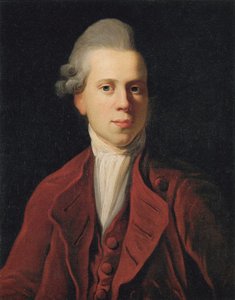
The Neoclassicist names to know

Famous Neoclassicist Artists: Our Top 100

If you remember one Neoclassicist artist, make it Jacques-Louis David (1748–1825), the name behind The Oath of the Horatii and The Death of Socrates, Metropolitan NY. After that come Jean-Auguste-Dominique Ingres, Élisabeth Louise Vigée Le Brun, Joshua Reynolds and Antonio Canova. Our 100 picks go from Jonathan Richardson the Elder (born 1667) to Herbert James Draper (born 1863), from 16 countries.

How we picked them. We list the artists our catalogue links to Neoclassicist, from the most famous down. Artists born after 1955 that we cannot yet check on Wikidata are left out. The Wikipedia number shows in how many of our 32 languages Wikipedia writes about them.

  1. The Oath of the Horatii by Jacques-Louis David1Jacques-Louis David
  2. The Vow of Louis XIII by Jean-Auguste-Dominique Ingres2Jean-Auguste-Dominique Ingres
  3. Queen Marie-Antoinette great court dress, a rose in hand by Élisabeth Louise Vigée Le Brun3Élisabeth Louise Vigée Le Brun

Quick facts

Neoclassicist in a nutshell

  • 100Artists
  • 1667–1863Years of birth
  • 16Countries of birth
  • 5Women
  • 15,323Works in our catalogue
Cities with most births
Paris (13), Rome (3), London (3), Dublin (3)
Museums holding the most key works
Metropolitan Museum of Art (20), The Louvre (17), Hermitage Museum (8), National Portrait Gallery (8)

Meet them one by one

The 100 famous Neoclassicist artists, from most famous down

1of 100

Jacques-Louis David

French From Paris Neoclassicism On Wikipedia in 31 of 32 languages

Jacques-Louis David

His path toward professional mastery began under the guidance of François Boucher, a painter of the Rococo style. While Boucher provided his initial apprenticeship, David eventually sought a different direction, moving toward the instruction of Joseph- Marie Vien.

See them at The physical presence of David’s oeuvre is scattered across the major repositories of European and international art.

Learned from Joseph Marie Vien #19 · Taught Christoffer Wilhelm Eckersberg #29, Jean-Baptiste Isabey #74

Works to know · Their 100 best-known works

2of 100

Jean-Auguste-Dominique Ingres

French From Montauban Neoclassicism On Wikipedia in 32 of 32 languages

Jean-Auguste-Dominique Ingres

The first of seven children, Jean-Auguste-Dominique Ingres enters a world shaped by the hands of his parents, Jean-Marie-Joseph Ingres and Anne Moulet. He dies in Paris on 14 January 1867, the cause being pneumonia.

See them at The traces of his hand remain scattered across major global institutions.

Learned from Jacques-Louis David #1 · Taught Hippolyte Flandrin #54

Works to know · Their 100 best-known works

3of 100

Élisabeth Louise Vigée Le Brun

French From Paris Rococo and Neoclassical On Wikipedia in 30 of 32 languages

Élisabeth Louise Vigée Le Brun

She spends hours in the Louvre, meticulously copying the works of Rubens, Van Dyck, and Rembrandt to refine her understanding of light and form.

See them at Vigée Le Brun remains a pioneer for women in the arts, having navigated a professional landscape almost exclusively reserved for men.

Works to know · Their 100 best-known works

4of 100

Joshua Reynolds

British From Plympton Grand Style On Wikipedia in 31 of 32 languages

Joshua Reynolds

His sister, Mary Palmer, was also a person of letters, known for her writing of Devonshire Dialogue. In 1740, he moved to London to begin an apprenticeship under the portrait painter Thomas Hudson.

Learned from Thomas Hudson #67

Works to know · Their 100 best-known works

5of 100

Antonio Canova

Italian From Possagno Neoclassicism On Wikipedia in 30 of 32 languages

Antonio Canova

He apprenticed under Giuseppe Bernardi ('Torretto') and Giovanni Ferrari, further honing his skills. Early Commissions: Early commissions like the statues of Orpheus and Eurydice for Senator Giovanni Falier (1775-1777) demonstrated an emerging Rococo style, foreshadowing his later Neoclassical refinement.

Works to know · Their 100 best-known works

6of 100

Anton Raphael Mengs

German-Bohemian From Ústí nad Labem Neoclassical painting On Wikipedia in 27 of 32 languages

Anton Raphael Mengs

Born in 1728 in Ústí nad Labem, Bohemia – a region now part of the Czech Republic – his artistic journey was profoundly shaped by both his lineage and the intellectual currents of the Enlightenment. His father, Ismael Mengs, a Danish painter who found patronage at the Dresden court, recognized young Anton’s exceptional talent early on.

Works to know · Their 100 best-known works

7of 100

Angelica Kauffmann

Swiss From Chur Neoclassical Painting On Wikipedia in 27 of 32 languages

Angelica Kauffmann

Born Maria Anna Angelika Kauffmann on October 30, 1741, in Chur, Switzerland, her life was a masterful composition of cultural fluency and artistic ambition. A child prodigy who possessed both musical talent and a precocious command of four languages—German, Italian, French, and English—she moved through the great artistic hubs of Europe with an ease that belied her years.

Works to know · Their 100 best-known works

8of 100

Antoine-Jean Gros

French From Paris Neoclassicism & Romanticism On Wikipedia in 26 of 32 languages

Antoine-Jean Gros

Antoine-Jean Gros, a name resonating with the grandeur and turbulence of Napoleonic France, occupies a fascinating space in art history —poised between the cool rationality of Neoclassicism and the burgeoning emotional intensity of Romanticism. Both parents were practitioners of the visual arts; his mother, Pierrette-Madeleine-Cécile Durand, a skilled pastel artist, and his father, Jean-Antoine Gros, a meticulous miniature painter and avid collector.

Learned from Jacques-Louis David #1

Works to know · Their 100 best-known works

10of 100

Anne-Louis Girodet

French From Montargis Neoclassicism & Romanticism On Wikipedia in 23 of 32 languages

Anne-Louis Girodet

Anne-Louis Girodet de Roussy-Trioson, a name perhaps less instantly recognizable than his teacher Jacques-Louis David, nevertheless occupies a pivotal position in the transition from Neoclassicism to Romanticism. Born in Montargis, France, in 1767, Girodet’s artistic journey was one of both rigorous academic training and burgeoning emotional expression —a delicate balance that defined his unique style and secured his place as a significant figure in French art.

Learned from Jacques-Louis David #1

Works to know · Their 100 best-known works

11of 100

Thomas Lawrence

British From Bristol Regency portraiture On Wikipedia in 22 of 32 languages

Thomas Lawrence

Born amidst the bustling port city of Bristol in 1769, Sir Thomas Lawrence emerged as a prodigious talent, a child prodigy whose artistic gifts blossomed with astonishing speed. He quickly established himself as a portrait painter in oils, securing his first royal commission – a portrait of Queen Charlotte in 1789 – and catapulting him into the heart of London society.

Works to know · Their 100 best-known works

12of 100

John Singleton Copley

American-born British From Boston Neo-Classicism, Rococo On Wikipedia in 22 of 32 languages

John Singleton Copley

His father, Richard Copley, worked as a tobacco merchant. His formal introduction to the craft came through his stepfather, Peter Pelham, an engraver and limner.

Works to know · Their 100 best-known works

13of 100

Benjamin West

American From Springfield Township Neoclassical, Romanticism On Wikipedia in 19 of 32 languages

Benjamin West

Born in 1738 amidst the burgeoning landscape of colonial Pennsylvania, Benjamin West emerged as a pivotal figure in the transatlantic art world, a painter who skillfully navigated the currents of Neoclassicism and Romanticism while forging a uniquely American artistic identity.

Taught John Trumbull #24

Works to know · Their 100 best-known works

14of 100

Robert Adam

Scottish From Kirkcaldy Neoclassical On Wikipedia in 29 of 32 languages

Robert Adam

Born in Kirkcaldy, Scotland, on July 3rd, 1728, Robert Adam emerged from a family already deeply entrenched in the world of architecture. His father, William Adam, was a prominent figure in shaping the Scottish landscape, and young Robert’s initial education wasn't confined to academic pursuits like Latin at Edinburgh’s Royal High School; it was interwoven with the practical realities of building design and construction through apprenticeship under his father’s tutelage.

Learned from Giovanni Battista Piranesi #63

Works to know · Their 100 best-known works

15of 100

Pompeo Batoni

Italian From Lucca Baroque and Neoclassicism On Wikipedia in 19 of 32 languages

Pompeo Batoni

His first independent commission came as a result of rains that struck Rome in April 1732. The painting "The Ecstasy of Saint Catherine of Siena" illustrates his academic refinement of the late- Baroque style.

Works to know · Their 100 best-known works

16of 100

Gilbert Stuart

American From North Kingstown Neoclassical On Wikipedia in 19 of 32 languages

Gilbert Stuart

He traveled to Scotland around 1771 to study under Cosmo Alexander, but returned after Alexander’s death in 1775. Further training occurred in London with Benjamin West, a prominent American painter residing in England, from 1775 to 1780.

Taught Thomas Sully #42

Works to know · Their 100 best-known works

17of 100

Karl Friedrich Schinkel

Prussian From Neuruppin Neoclassical, Gothic Revival On Wikipedia in 30 of 32 languages

Karl Friedrich Schinkel

However, a turning point arrived during an exhibition in Berlin in 1810, where he encountered Caspar David Friedrich’s iconic Wanderer above the Sea of Fog. The Neue Wache (1816–1818), an early work, showcases his emerging Neoclassical style with its restrained elegance and dignified presence. The National Monument for the Liberation Wars (1818–1821) stands as a powerful testament to Prussian resilience and national pride.

Works to know · Their 100 best-known works

18of 100

George Romney

British From Dalton-in-Furness Romanticism, Neoclassicism On Wikipedia in 22 of 32 languages

George Romney

His early years were shaped by the domestic rhythms of a large family in the Northwest of England. He sought out Christopher Steele, a Kendal-based itinerant portraitist, to refine his skills.

See them at The distribution of Romney’s surviving canvases reflects the geographic arc of his life, from his northern roots to his eventual prominence in the capital.

Works to know · Their 100 best-known works

19of 100

Joseph Marie Vien

Spanish From Montpellier Still-life painting On Wikipedia in 15 of 32 languages

Joseph Marie Vien

Luis Egidio Meléndez de Rivera Durazo y Santo Padre (1716-1780) remains a captivating enigma in the history of Spanish art. Born in Naples to Francisco Meléndez de Rivera Diaz, a miniaturist painter who had traveled extensively and settled there after serving as a soldier for Spain, and Maria Josefa Durazo y Santo Padre Barrille, he inherited a lineage of artists.

Taught Jacques-Louis David #1

Works to know · Their 100 best-known works

20of 100

Karl Bryullov

From Saint Petersburg On Wikipedia in 27 of 32 languages

Karl Bryullov

Karl Pavlovich Bryullov (born Karl Briullo) was born on December 23, 1799, in Saint Petersburg, Russia. His father, Pavel Ivanovich Briullo, was an academician, woodcarver, and engraver of Huguenot descent, who instilled in young Karl a love for the arts.

Works to know · Their 100 best-known works

21of 100

Hubert Robert

French From Paris Romanticism, Neoclassicism On Wikipedia in 21 of 32 languages

Hubert Robert

Born in Paris in 1733, Hubert Robert entered a world where his family's social standing was tied to the service of others.

See them at The preservation of Robert’s prolific output is spread across several major international institutions, reflecting the reach of his influence during the late eighteenth century.

Works to know · Their 100 best-known works

22of 100

François Gérard

French From Rome Rococo On Wikipedia in 25 of 32 languages

François Gérard

Crucially, Boucher undertook a lengthy journey to Italy between 1728 and 1730, a formative experience that broadened his artistic horizons beyond the constraints of French tradition.

Learned from Jacques-Louis David #1 · Taught Joseph Karl Stieler #36

Works to know · Their 100 best-known works

23of 100

Pierre Narcisse Guérin

French From Paris Neoclassical On Wikipedia in 23 of 32 languages

Pierre Narcisse Guérin

In the grand tapestry of French art history, few figures embody the delicate transition from the disciplined rigor of Neoclassicism to the turbulent passion of Romanticism as gracefully as Pierre Narcisse Guérin. Born in Paris in 1774, Guérin emerged during a period of profound societal transformation, where the echoes of the French Revolution still reverberated through the halls of the Academy.

Learned from Jean-Baptiste Regnault #39

Works to know · Their 100 best-known works

24of 100

John Trumbull

American From Lebanon Historical painting On Wikipedia in 18 of 32 languages

John Trumbull

Born in Lebanon, Connecticut, in 1756, into a family steeped in patriotic fervor – his father, Jonathan Trumbull, served as governor throughout the Revolutionary War – young John’s destiny seemed intertwined with the unfolding drama of independence.

Learned from Benjamin West #13

Works to know · Their 100 best-known works

25of 100

Samuel Finley Breese Morse

American From Charlestown Romanticism On Wikipedia in 32 of 32 languages

Samuel Finley Breese Morse

Born in Charlestown, Massachusetts, on April 27, 1791, into a family steeped in intellectual and religious fervor – his father, Jedidiah Morse, was a prominent Calvinist minister and geographer – young Samuel’s early life was shaped by a rigorous upbringing that instilled in him a deep sense of purpose.

Works to know · Their 100 best-known works

28of 100

Henry Raeburn

Scottish From Stockbridge Portraiture, Realism On Wikipedia in 17 of 32 languages

Henry Raeburn

Born in 1756 amidst the burgeoning Enlightenment of Scotland, Sir Henry Raeburn emerged as a pivotal figure in British portraiture. Orphaned at a young age, Raeburn’s early life was shaped by the support of his brother William, who secured him an education at Heriot's Hospital in Edinburgh.

Works to know · Their 100 best-known works

29of 100

Christoffer Wilhelm Eckersberg

Danish From Blåkrog Neoclassical, Realism On Wikipedia in 22 of 32 languages

Christoffer Wilhelm Eckersberg

Christoffer Wilhelm Eckersberg, born in 1783 in the small Duchy of Schleswig – a landscape that would forever imprint itself upon his artistic sensibility – stands as a monumental figure in the history of Danish art. Formal training began with Jes Jessen in Aabenraa and continued with Josiah Jacob Jessen in Flensburg, providing a solid foundation before Eckersberg ventured towards the artistic heart of Europe: Copenhagen.

Learned from Nicolai Abildgaard #30, Jacques-Louis David #1

Works to know · Their 100 best-known works

30of 100

Nicolai Abildgaard

Danish From Copenhagen Neoclassical & Romanticism On Wikipedia in 26 of 32 languages

Nicolai Abildgaard

This familial influence proved foundational as Abildgaard embarked on his artistic journey, receiving initial training with a local painting master before formally enrolling at the New Royal Danish Academy of Art in 1764.

Taught Christoffer Wilhelm Eckersberg #29

Works to know · Their 100 best-known works

31of 100

Joseph Siffred Duplessis

French From Carpentras Rococo, Neoclassicism On Wikipedia in 17 of 32 languages

Joseph Siffred Duplessis

He continued his formal training under Joseph Gabriel Imbert, a pupil of Charles Le Brun, absorbing the established academic techniques before venturing to Rome between 1744 and 1747. It was in Italy, within Pierre Subleyras ' atelier, that Duplessis truly blossomed, forging friendships with fellow artists like Joseph Vernet and immersing himself in the rich artistic heritage of the Italian peninsula.

Works to know · Their 100 best-known works

32of 100

John William Godward

From Wimbledon On Wikipedia in 21 of 32 languages

John William Godward

John William Godward was the eldest of five children born to John Godward, an investment clerk, and Sarah Eboral. His early life was marked by a reclusive nature, largely attributed to his parents’ overbearing personalities.

Works to know · Their 100 best-known works

33of 100

Johann Zoffany

From Frankfurt On Wikipedia in 15 of 32 languages

Johann Zoffany

Johann Zoffany, born Johannes Josephus Zaufallij in 1733 in Freiburg, Germany, was a painter who achieved renown primarily in England and Italy. Details of his early childhood remain scarce, but it is known he received artistic training from a young age.

Works to know · Their 100 best-known works

34of 100

Anselm Feuerbach

German From Speyer Neoclassical On Wikipedia in 21 of 32 languages

Anselm Feuerbach

Anselm Feuerbach (1829-1880) stands as a monumental figure in the tapestry of German Romanticism and Neoclassicism, embodying a rare and harmonious fusion of these two powerful artistic currents.

Works to know · Their 100 best-known works

35of 100

Marcello Bacciarelli

Italian From Rome ['Late-Baroque', 'Neoclassicism'] On Wikipedia in 23 of 32 languages

Marcello Bacciarelli

Bacciarelli began his artistic journey in Rome, studying under Marco Benefial, a prominent Italian painter known for his proto- Neoclassical style.

Works to know · Their 100 best-known works

36of 100

Joseph Karl Stieler

German From Mainz Neoclassical On Wikipedia in 19 of 32 languages

Joseph Karl Stieler

In the grand tapestry of nineteenth-century European art, few threads shine with as much refined luster as the works of Joseph Karl Stieler. Born in November 1781 in the historic city of Mainz, Stieler was destined for a life steeped in the meticulous traditions of craftsmanship.

Learned from François Gérard #22

Works to know · Their 100 best-known works

37of 100

François André Vincent

French From Paris Neoclassical On Wikipedia in 19 of 32 languages

François André Vincent

In the vibrant and turbulent landscape of late eighteenth-century France, few artists captured the transition from aristocratic elegance to revolutionary solemnity as masterfully as François-André Vincent. Born in Paris in 1746 into a lineage of artistic distinction—his father, François-Elie Vincent, was a renowned miniaturist—Vincent was destined for a life defined by the brush and the canvas.

Learned from Joseph Marie Vien #19 · Taught Charles Meynier #100

Works to know · Their 100 best-known works

38of 100

Carle Vernet

French From Bordeaux Neoclassical, Battle scenes On Wikipedia in 18 of 32 languages

Carle Vernet

Born in Bordeaux in 1758, into an artistic lineage stretching back to his father, Claude Joseph Vernet, Carle’s early life foreshadowed his future career. From the age of five, he displayed an extraordinary aptitude for drawing horses, a passion nurtured through rigorous academic training alongside Nicolas- Bernard Lépicié, yet ultimately leading him away from the traditional path laid out for him.

Works to know · Their 100 best-known works

39of 100

Jean-Baptiste Regnault

British From Paris Landscape painting On Wikipedia in 19 of 32 languages

Jean-Baptiste Regnault

In the vibrant and turbulent landscape of late 18th-century French art, few figures commanded as much respect for their technical precision and classical grace as Jean-Baptiste Baron Regnault. While history often casts a spotlight on his contemporary and rival, Jacques-Louis David, Regnault carved out a distinct and luminous space within the Neoclassical movement.

Learned from Joseph Marie Vien #19 · Taught Louis Hersent #96

Works to know · Their 100 best-known works

40of 100

William Salter

British Portrait painting

William Salter

In the heart of the nineteenth century, as Britain navigated the profound shifts of the Industrial Revolution and the expansion of its global influence, William Salter emerged as a painter capable of capturing the very soul of Victorian grandeur. Born in 1804 in the quiet town of Honiton, Devon, Salter’s early life was rooted in the traditional English landscape, yet his artistic spirit was destined for much larger stages.

Works to know · Their 100 best-known works

41of 100

Louis Léopold Boilly

French From La Bassée Genre painting, Portraiture On Wikipedia in 19 of 32 languages

Louis Léopold Boilly

His talent was recognized by the Augustinians of Douai in 1774, leading to an invitation from the Bishop of Arras. This period saw him create over three hundred small portrait paintings.

Works to know · Their 100 best-known works

42of 100

Thomas Sully

British-American From Horncastle Romanticism, Neoclassicism On Wikipedia in 13 of 32 languages

Thomas Sully

Born under the skies of Horncastle, Lincolnshire in 1783, Thomas Sully’s journey was one of remarkable transatlantic passage – not merely geographical, but artistic and cultural. The son of actors, Matthew and Sarah Chester Sully, young Thomas experienced an itinerant childhood when his family emigrated to Charleston, South Carolina in 1792, seeking new opportunities on the American stage.

Learned from Gilbert Stuart #16

Works to know · Their 100 best-known works

43of 100

Rembrandt Peale

American From Bucks County Neoclassicism On Wikipedia in 10 of 32 languages

Rembrandt Peale

Rembrandt Peale, born in Bucks County, Pennsylvania, in 1778, emerged from a family deeply entrenched in the burgeoning artistic landscape of early America. The very bestowal of the name “Rembrandt,” echoing the Dutch master Harmenszoon van Rijn, signaled Charles Willson Peale's aspirations for his son—a hope that he would carry forward a tradition of artistic excellence.

Works to know · Their 100 best-known works

44of 100

Herbert James Draper

British From London Neoclassical On Wikipedia in 16 of 32 languages

Herbert James Draper

Herbert James Draper, a name resonating with the echoes of Victorian and Edwardian artistry, was born in London in 1863, a city brimming with both industrial progress and a fervent revival of classical ideals. His early education at Bruce Castle School provided a foundation, but it was within the hallowed halls of the Royal Academy Schools that Draper’s artistic destiny began to unfold.

Works to know · Their 100 best-known works

45of 100

Joseph Anton Koch

Austrian From Elbigenalp Neoclassicism & Romanticism On Wikipedia in 15 of 32 languages

Joseph Anton Koch

Joseph Anton Koch stands as a singular figure in Austrian art history—a painter who deftly navigated the shifting currents of Neoclassicism into the burgeoning fervor of German Romanticism. However, Koch's youthful spirit rebelled against such constraints, leading to a brief but formative wanderlust through France and Switzerland before he finally established himself in the artistic crucible of Rome in 1795.

Works to know · Their 100 best-known works

46of 100

Jean-Antoine Houdon

French From Versailles Neoclassical Realism

Jean-Antoine Houdon

Jean-Antoine Houdon, born in Versailles in 1741, stands as a pivotal figure bridging the Rococo and Neoclassical eras—a sculptor whose work embodies the intellectual fervor and evolving aesthetic sensibilities of the eighteenth century. This dedication stemmed from an early aptitude for sculpture, nurtured by formal training at the Académie Royale de Peinture et de Sculpture beginning in 1752 under esteemed sculptors like René-Michel Slodtz, Jean- Baptiste Lemoyne, and Jean-Baptiste Pigalle.

Works to know · Their 100 best-known works

47of 100

William Beechey

British From Burford Portraiture, Neoclassical On Wikipedia in 14 of 32 languages

William Beechey

Sir William Beechey, born December 12, 1753, in the quaint Oxfordshire town of Burford, embarked on a life that would see him become a prominent figure in British portraiture.

Works to know · Their 100 best-known works

48of 100

Adélaïde Labille-Guiard

French From Paris Rococo to Neoclassicism On Wikipedia in 20 of 32 languages

Adélaïde Labille-Guiard

Adélaïde Labille-Guiard (1749–1803) stands as a remarkable figure in the history of French art, not merely for her exquisite portraits but also for her courageous challenge to the restrictive conventions that governed women’s roles within the artistic world.

Learned from François André Vincent #37

Works to know · Their 100 best-known works

50of 100

John Ramage

Irish-American From Dublin Portrait Miniatures

John Ramage

In 1772, driven by ambition or perhaps circumstance, Ramage embarked on a new chapter, emigrating to Halifax, Nova Scotia, marking the beginning of his artistic journey in North America and setting the stage for a life intertwined with both art and political upheaval.

Works to know · Their 100 best-known works

51of 100

Guillaume Guillon Lethiere

French From Sainte-Anne Neoclassical On Wikipedia in 15 of 32 languages

Guillaume Guillon Lethiere

His father, Pierre Guillon, was a Royal Notary, representing the authority of colonial administration, while his mother, Marie-Françoise Dupepaye, was a woman of African descent, described as free but navigating a world deeply marked by racial prejudice. He then moved to Paris and entered the prestigious Académie Royale de Peinture et de Sculpture, becoming a student of Gabriel François Doyen.

Works to know · Their 100 best-known works

52of 100

Andrea Appiani

Italian From Milan Neoclassical On Wikipedia in 16 of 32 languages

Andrea Appiani

Born in Milan in 1754, Andrea Appiani emerged as a pivotal figure in the Italian Neoclassical art scene during the late 18th and early 19th centuries. He began with the fresco of Saints Gervasio and Protasio in 1776, followed by altar pieces such as those for the collegiate church of Santa Maria Nascente at Arona (1782) and the Nativity for the Ospedale Maggiore in Milan (1784).

Works to know · Their 100 best-known works

53of 100

David Allan

Scottish From Alloa Neoclassicism & Rococo On Wikipedia in 14 of 32 languages

David Allan

David Allan, born in Alloa, Scotland, in 1744, emerged as a significant figure during a period of profound artistic and intellectual change. This path led him, in 1764, to Rome – a pivotal journey for any aspiring artist of the time.

Works to know · Their 100 best-known works

54of 100

Hippolyte Flandrin

French From Lyon Neoclassical On Wikipedia in 16 of 32 languages

Hippolyte Flandrin

Jean-Hippolyte Flandrin (1809–1864) remains a luminous figure in the pantheon of French Neoclassicism, an artist whose brush captured the profound intersection of spiritual devotion and classical grace. The trajectory of Fland_rin’s talent took a decisive turn in 1829 when he arrived in Paris to enter the legendary studio of Jean Auguste Dominique Ingres.

Learned from Louis Hersent #96, Jean-Auguste-Dominique Ingres #2

Works to know · Their 100 best-known works

55of 100

John Hoppner

British From Whitechapel On Wikipedia in 15 of 32 languages

John Hoppner

John Hoppner was born in Whitechapel, London, in 1758 to German parents. By 1782, he had secured the Academy's gold medal for historical painting, an achievement earned through his work on King Lear.

See them at Hoppner’s presence in major international collections confirms his reach beyond the British Isles.

Works to know · Their 100 best-known works

56of 100

John Peter Russell

Australian From Darlinghurst Impressionism On Wikipedia in 16 of 32 languages

John Peter Russell

Born in Sydney in 1858, Russell's path diverged from the typical colonial trajectory when, at eighteen, he embarked for Europe – initially to pursue engineering, but swiftly drawn into the vibrant world of art. His early education at Goulburn School provided a foundation, yet it was his studies under Alphonse Legros at the Slade School of Fine Art in London (1881-1883) that truly ignited his artistic ambitions.

Works to know · Their 100 best-known works

57of 100

Jonathan Richardson the Elder

English Portraiture

Jonathan Richardson the Elder

Botolph parish on January 12th, 1667, Richardson’s journey was one shaped by both personal hardship and an extraordinary intellectual curiosity.

Works to know · Their 100 best-known works

58of 100

Jacques Laurent Agasse

Swiss From Geneva Romanticism On Wikipedia in 16 of 32 languages

Jacques Laurent Agasse

Jacques Laurent Agasse (1767-1849) stands as a singular figure in the annals of Swiss art history, celebrated primarily for his unparalleled dedication to capturing the essence of equine anatomy and portraying animals with breathtaking realism. Born in Geneva amidst the burgeoning Enlightenment, Agasse’s artistic journey began with formal training at the École des Beaux-Arts de Genève, establishing him firmly within the classical tradition.

Works to know · Their 100 best-known works

59of 100

Anton Graff

Swiss From Winterthur Neoclassical painting On Wikipedia in 19 of 32 languages

Anton Graff

Anton Graff, born in Winterthur, Switzerland in 1736, emerged as one of the most celebrated portraitists of his era—a period defined by the Enlightenment’s intellectual fervor and the burgeoning Neoclassical aesthetic. Graff's beginnings were humble; he received his initial training in Winterthur under Johann Ulrich Schellenberg before venturing to Augsburg where his talent quickly outpaced the local guild’s comfort level.

Works to know · Their 100 best-known works

60of 100

Fyodor Alekseyev

Russian From Saint Petersburg Neoclassical On Wikipedia in 16 of 32 languages

Fyodor Alekseyev

Fedor Yakovlevich Alekseev (1753-1824) stands as a cornerstone of 18th-century Russian art, recognized primarily for his breathtaking depictions of Moscow and St. Born in Saint Petersburg during an era of immense cultural transformation, Alekseev’s artistic journey unfolded against the backdrop of Russia's burgeoning Enlightenment. While the specific details of his early childhood remain somewhat elusive, his professional trajectory was significantly shaped by his apprenticeship under Mikhail Vasilievich Zabolotsky.

Works to know · Their 100 best-known works

61of 100

Jean-Baptiste Pigalle

French From Tournus Baroque & Neoclassical

Jean-Baptiste Pigalle

Born in Tournus, France, in 1714, Jean-Baptiste Pigalle emerged as a pivotal figure in the transition between the exuberant drama of the Baroque and the emerging clarity of Neoclassicism. He honed his skills in Lyon before moving to Paris, immersing himself in the study of live models at the Royal Academy – though his early efforts weren’t universally acclaimed, hinting at the independent spirit that would define his trajectory.

Works to know · Their 100 best-known works

62of 100

Auguste Couder

French From London Neoclassical, Historical painting On Wikipedia in 13 of 32 languages

Auguste Couder

Born amidst the burgeoning artistic energy of London in 1789, Louis-Charles-Auguste Couder would become a significant voice in 19th-century French historical painting. His journey began with formative training under two titans of the French art world: Jean-Baptiste Regnault and Jacques-Louis David. Perhaps his most renowned painting is the Siege of Yorktown (1781), a vivid depiction of a pivotal moment in the American Revolutionary War.

Works to know · Their 100 best-known works

63of 100

Giovanni Battista Piranesi

From Mogliano Veneto

Giovanni Battista Piranesi

This practical foundation was deepened by his brother, Andrea, whose interest in ancient Greco-Roman civilization sparked a fascination in Giovanni Battista that would eventually lead him away from the Venetian lagoons toward the heart of the classical world.

Works to know · Their 100 best-known works

64of 100

Marguerite Gérard

French From Grasse Genre painting, Rococo On Wikipedia in 15 of 32 languages

Marguerite Gérard

Born in the fragrant town of Grasse in 1761, her path to artistic recognition began not within the hallowed halls of an academy – access denied to most women of her era – but through family connections and the generous mentorship of her brother-in-law, the celebrated Rococo master Jean-Honoré Fragonard.

Works to know · Their 100 best-known works

65of 100

Louis Jean François Lagrenée

French From Paris Rococo, Neoclassical

Louis Jean François Lagrenée

Lagrenée’s dedication quickly bore fruit; in 1749, he secured the prestigious Prix de Rome with his depiction of Joseph interpreting the dreams of Pharaoh, an achievement that unlocked the doors to further study at the French Academy in Rome from 1750 to 1754.

Works to know · Their 100 best-known works

66of 100

Johann Georg Edlinger

Austrian From Graz Rembrandtian portraiture

Johann Georg Edlinger

While not initially destined for an artistic path, young Johann’s innate creative abilities were recognized early by his parents, who provided him with initial lessons in their hometown.

Works to know · Their 100 best-known works

67of 100

Thomas Hudson

From Devon On Wikipedia in 12 of 32 languages

Thomas Hudson

Apprenticeship: He began his artistic journey under the tutelage of Jonathan Richardson in London. A controversial marriage followed, as Hudson wed Richardson’s daughter before 1725, despite his mentor's disapproval.

Taught Joshua Reynolds #4

Works to know · Their 100 best-known works

68of 100

Paul Sandby

English From Nottingham Landscape Painting

Paul Sandby

Born in Nottingham to Thomas Sandby, a textile worker, Paul’s early life was marked by self-education and an innate fascination with observation—qualities that would prove instrumental in shaping his extraordinary career as both a mapmaker and painter. This role propelled him into a position that would expose him to the grandeur of Scotland during the Jacobite Rebellion.

Works to know · Their 100 best-known works

69of 100

Fyodor Stepanovich Rokotov

Russian From Moscow Psychological Portrait

Fyodor Stepanovich Rokotov

In the grand, sweeping tapestry of eighteenth-century Russian art, where many painters sought to capture the sheer opulence of the Romanov era through gilded frames and theatrical grandeur, Fyodor Stepanovich Rokotov emerged as a singular, introspective voice.

Works to know · Their 100 best-known works

70of 100

Gavin Hamilton

Scottish From Lanarkshire Neoclassical On Wikipedia in 10 of 32 languages

Gavin Hamilton

Born in Lanarkshire, Scotland, around 1723, Hamilton emerged from the rugged landscapes of his homeland to become a central protagonist in the Neoclassical movement. While his early years provided him with a disciplined foundation in traditional craftsmanship and the linguistic tools of Latin and Greek, it was his eventual migration to Rome that would irrevocably transform his creative soul.

Works to know · Their 100 best-known works

71of 100

Joseph Benoit Suvée

Danish From Bruges Neoclassical, History painting On Wikipedia in 10 of 32 languages

Joseph Benoit Suvée

In the grand tapestry of eighteenth-century European art, few threads shimmer with as much academic precision and dramatic grace as those woven by Joseph-Benoît Suvée. Born in Bruges in 1743, Suvée emerged from his Flemish roots to become a defining voice of the Neoclassical era.

Works to know · Their 100 best-known works

72of 100

Thomas Phillips

British From Dudley Romanticism On Wikipedia in 11 of 32 languages

Thomas Phillips

West’s guidance opened doors for Phillips, securing him employment on the painted-glass windows of St George's Chapel at Windsor Castle – a project that allowed him to hone his skills within a grand architectural context.

Works to know · Their 100 best-known works

73of 100

Anselm Friedrich Feuerbach

German From Speyer Neoclassicism, Romanticism

Anselm Friedrich Feuerbach

Anselm Friedrich Feuerbach, born in Speyer, Germany, in 1829, emerged from a uniquely intellectual lineage that profoundly shaped his artistic sensibilities.

Works to know · Their 100 best-known works

74of 100

Jean-Baptiste Isabey

French From Nancy First Empire, Restoration, Portraiture On Wikipedia in 17 of 32 languages

Jean-Baptiste Isabey

Jean-Baptiste Isabey stands as one of the most versatile and influential figures in French art, a painter whose brush captured the very essence of two transformative eras: the First Empire and the Restoration. Born in Nancy, France, his artistic journey began under the guidance of masters like Francois Dumont, the miniature painter to Marie Antoinette, before he eventually became a pupil of the legendary Jacques-Louis David.

Learned from Jacques-Louis David #1

Works to know · Their 100 best-known works

75of 100

Jens Juel

English From Balslev Parish English school On Wikipedia in 17 of 32 languages

Jens Juel

In the golden age of Danish Neoclassicism, few names command as much reverence as Jens Juel. Born on May 12, 1745, in the house of his maternal uncle in Balslev, Denmark, his journey from modest beginnings to the heights of royal patronage is a testament to an extraordinary talent shaped by rigorous discipline and an insatiable curiosity for the world around him.

Works to know · Their 100 best-known works

76of 100

Johann Baptist von Lampi the Elder

Austrian-Italian From Romeno Neoclassical On Wikipedia in 14 of 32 languages

Johann Baptist von Lampi the Elder

Johann Baptist Lampi, often revered as the Elder to distinguish his illustrious lineage, was a painter whose brush captured the very essence of an era defined by imperial splendor and shifting political tides. It was in these regions that he began to synthesize the dramatic flair of the Italian Baroque with the more restrained, disciplined precepts of Neoclassicism.

Works to know · Their 100 best-known works

77of 100

François Marius Granet

French From Aix-en-Provence Tonal Painting On Wikipedia in 12 of 32 languages

François Marius Granet

Even as a young boy, Granet possessed an intense artistic drive, prompting his parents to seek instruction for him—first from a passing Italian artist and then at a free school directed by M.

Learned from Jacques-Louis David #1

Works to know · Their 100 best-known works

79of 100

Lemuel Francis Abbott

English From Leicestershire Portrait painting On Wikipedia in 13 of 32 languages

Lemuel Francis Abbott

In the vibrant landscape of late eighteenth-century English portraiture, few names resonate with the same historical intimacy as Lemuel Francis Abbott. Born in Leicestershire to a clergyman, Abbott’s journey into the heart of the London art scene began remarkably early.

Works to know · Their 100 best-known works

80of 100

Sarah Goodridge

American From Templeton Portrait miniatures On Wikipedia in 14 of 32 languages

Sarah Goodridge

In the quiet, industrious landscape of early nineteenth-century New England, a singular talent emerged from the shadows of economic hardship to redefine the intimacy of American portraiture.

Works to know · Their 100 best-known works

81of 100

Étienne Maurice Falconet

French From Paris Baroque, Rococo, Neoclassical

Étienne Maurice Falconet

Étienne Maurice Falconet stands as a pivotal figure in the late Baroque, Rococo, and early Neoclassical periods of French sculpture. Born in Paris in 1716, his journey from a humble apprenticeship to becoming one of the most celebrated artists of his time is a testament to talent, ambition, and an extraordinary ability to capture both power and grace.

Works to know · Their 100 best-known works

82of 100

George Dawe

English From St James's Neoclassicism and Romanticism

George Dawe

Born in St James's, United Kingdom, Dawe was immersed in the world of art from his earliest years. After studying at the Royal Academy of Arts, where he earned the prestigious Royal Academy Schools Gold Medal, Dawe’s reputation began to ascend. He eventually became an Associate Member of the Royal Academy and later a full Academician, signaling his arrival among the elite of the British art establishment.

Works to know · Their 100 best-known works

83of 100

Alexandre Denis Abel de Pujol

French Neoclassical

Alexandre Denis Abel de Pujol

Emerging from the refined traditions of a noble family with deep connections to the Bourbon monarchy, Alexandre Denis Abel de Pujol was destined for a life steeped in the grandeur of classical antiquity. This early immersion prepared him for his pivotal apprenticeship under the legendary Jacques-Louis David at the École Royale Supérieure des Beaux-Arts in Paris.

Works to know · Their 100 best-known works

84of 100

Jan Adam Kruseman

Dutch From Haarlem Realism On Wikipedia in 10 of 32 languages

Jan Adam Kruseman

Kruseman’s formative years were marked by a privileged upbringing within a family deeply invested in artistic endeavors. This early influence instilled in Kruseman a profound appreciation for detail and realism —characteristics that would define his artistic style throughout his career.

Works to know · Their 100 best-known works

85of 100

Benjamin Wilson

British From Leeds Neoclassical Portraiture On Wikipedia in 14 of 32 languages

Benjamin Wilson

Born in 1721 to a prosperous clothier family in Leeds, Wilson’s early life was steeped in an environment where craftsmanship and artistry were deeply valued. His formative years were marked by an encounter with the opulent decorations of Jacques Parmentier at Leeds Grammar School, a moment that ignited a lifelong passion for the visual arts.

Works to know · Their 100 best-known works

86of 100

Adolf Ulrik Wertmüller

Swedish From Stockholm Neoclassical Painting On Wikipedia in 10 of 32 languages

Adolf Ulrik Wertmüller

Adolf Ulrik Wertmüller (1751-1811) stands as a pivotal figure in Swedish art history, recognized primarily for his elegant portraits—particularly those depicting royalty—and his groundbreaking exploration of female nudes within the burgeoning neoclassical movement.

Learned from Joseph Marie Vien #19

Works to know · Their 100 best-known works

87of 100

Georges Rouget

French Neoclassical

Georges Rouget

Born into the burgeoning energy of late 18th-century Paris, Marie-Georges Louis Rouget was destined to become a silent architect of visual history. His journey began within the prestigious halls of the École des Beaux-Arts, where he first learned the rigors of classical form under masters such as Jean-Victor Carrier Sabre and Alexandre François Bouchardy.

Works to know · Their 100 best-known works

88of 100

Massimo d'Azeglio

Italian From Turin Romanticism On Wikipedia in 17 of 32 languages

Massimo d'Azeglio

Massimo Taparelli d’Azeglio, commonly known as Massimo d'Azeglio, was a remarkable figure of 19th-century Italy. His life spanned significant political transitions, from the Napoleonic period to the unification of Italy, leaving an indelible mark on Italian history through his contributions in multiple fields.

Works to know · Their 100 best-known works

89of 100

Francisco Bayeu Y Subias

Spanish From Zaragoza Neoclassical

Francisco Bayeu Y Subias

Born in the historic city of Zaragoza in 1734, Bayeu emerged not merely as a painter, but as a central architect of the Spanish Neoclassical aesthetic. Through his studies at the Academia Real de Bellas Artes de San Fernando, Bayeu began to shed the heavy shadows of the past in favor of a more luminous, structured clarity.

Works to know · Their 100 best-known works

90of 100

William Henry Pyne

English From London Romanticism

William Henry Pyne

In the vibrant, shifting landscape of late Georgian and early Victorian England, few artists captured the pulse of national identity as intimately as William Henry Pyne. Born in London in 1769, Pyne emerged from the intellectual ferment of the Enlightenment to become much more than a mere painter; he was a writer, an illustrator, and a meticulous observer of the social fabric.

Works to know · Their 100 best-known works

91of 100

Sir Martin Archer Shee

Irish From Dublin Neoclassical

Sir Martin Archer Shee

Born in the vibrant city of Dublin on December 23rd, 1769, Sir Martin Archer Shee emerged as a pivotal figure in 19th-century British art. He began his studies at the Royal Dublin Society, laying the foundation for a career that would ultimately lead him to the heart of London's art world and the presidency of the Royal Academy.

Works to know · Their 100 best-known works

92of 100

Jean Baptiste Ii Lemoyne

From Paris

Jean Baptiste Ii Lemoyne

Born in Paris, France, he initially pursued a career as an engraver, studying with Laurent Cars and working for the printseller Gabriel Huquier. This early experience provided him with foundational skills that would later inform his sculptural practice.

Works to know · Their 100 best-known works

93of 100

Charles Lock Eastlake

British From Plymouth Neoclassical, Romanticism On Wikipedia in 11 of 32 languages

Charles Lock Eastlake

Born in the coastal reaches of Plymouth, Sir Charles Lock Eastlake was a man whose life was an intricate tapestry of artistic creation and scholarly devotion. As the son of an Admiralty lawyer, his early years were steeped in the traditions of England, yet his spirit wandered toward the sublime landscapes of the Mediterranean.

Works to know · Their 100 best-known works

94of 100

Albert Ernest Carrier Belleuse

French From Anizy-le-Château Neoclassical & Realist

Albert Ernest Carrier Belleuse

In the vibrant, shifting landscape of nineteenth-century French art, few figures possessed the versatility and technical mastery of Albert Ernest Carrier Belleuse. Born in 1824 in Anizy-le-Château, his journey into the world of fine art began not with the grand marble of academies, but with the delicate, precise hands of a goldsmith’s apprentice.

Works to know · Their 100 best-known works

95of 100

William Hamilton

British From Chelsea Rococo Painting Style

William Hamilton

In the vibrant, intellectually charged atmosphere of Georgian Britain, few figures embodied the era's unique synthesis of aesthetic grace and scientific rigor quite like William Hamilton. Born in Chelsea, London, in 1751, Hamilton was far more than a mere painter; he was a true polymath whose life’s work bridged the gap between the delicate nuances of Neoclassical art and the precise observations of natural science.

Works to know · Their 100 best-known works

96of 100

Louis Hersent

French From Paris Neoclassicism On Wikipedia in 14 of 32 languages

Louis Hersent

Born in Paris in 1777, Hersent’s artistic journey unfolded against a backdrop of revolutionary upheaval and imperial grandeur, ultimately solidifying his place as a master of Neoclassical portraiture and historical painting. Paintings like The Duc D'Orléans, Duke Of Chartres And Nemours, exemplify this approach, presenting a commanding figure radiating both power and refinement.

Learned from Jacques-Louis David #1, Jean-Baptiste Regnault #39 · Taught Hippolyte Flandrin #54

Works to know · Their 100 best-known works

97of 100

Augustus Saint-Gaudens

Irish-American From Dublin Beaux-Arts sculpture

Augustus Saint-Gaudens

Born in Dublin, Ireland, in 1848, Augustus Saint-Gaudens’s journey to becoming one of America's most celebrated sculptors began with humble origins. The Admiral David Farragut Monument (1881) in New York City was an early triumph, showcasing his ability to capture both grandeur and psychological depth. However, it was the Robert Gould Shaw Memorial (1884-1897), dedicated on Boston Common, that truly established him as a master storyteller in bronze.

Works to know · Their 100 best-known works

98of 100

James Barry

Irish From Cork Neoclassical

James Barry

Born either in 1789 or 1799 – the discrepancy itself a testament to the deliberate obfuscation that characterized his existence – in Cork, Ireland, as Margaret Anne Bulkley, Barry navigated a world rigidly defined by gender roles by assuming a male identity. A complex conspiracy involving her mother, Mary-Ann Bulkley, General Francisco de Miranda, Dr.

Works to know · Their 100 best-known works

99of 100

James Peale

American From Chestertown Neoclassical On Wikipedia in 9 of 32 languages

James Peale

James Peale, born in the burgeoning colonial landscape of Chestertown, Maryland, in 1749, occupies a fascinating, often understated position within the pantheon of early American art. It was upon Charles’ return from London, having studied under Benjamin West, that James found his true calling, becoming his brother's assistant and embarking on a path of formal artistic training.

Works to know · Their 100 best-known works

100of 100

Charles Meynier

French From Paris Neoclassical On Wikipedia in 8 of 32 languages

Charles Meynier

Learned from François André Vincent #37

Works to know · Their 100 best-known works

Pictures worth knowing

Famous Neoclassicist works to recognise

  1. The Oath of the Horatii by Jacques-Louis David

    The Oath of the Horatii

    Jacques-Louis David

    1784 · The Louvre, Paris

  2. The Vow of Louis XIII by Jean-Auguste-Dominique Ingres

    The Vow of Louis XIII

    Jean-Auguste-Dominique Ingres

    1824 · Cathedral of Notre-Dame, Montauban

  3. Queen Marie-Antoinette great court dress, a rose in hand by Élisabeth Louise Vigée Le Brun

    Queen Marie-Antoinette great court dress, a rose in hand

    Élisabeth Louise Vigée Le Brun

  4. Admiral Paul Henry Ourry (1719–1783), MP, with 'Jersey' by Joshua Reynolds

    Admiral Paul Henry Ourry (1719–1783), MP, with 'Jersey'

    Joshua Reynolds

    1748 · National Trust, Plymouth

  5. Cupid and Psyche by Antonio Canova

    Cupid and Psyche

    Antonio Canova

    1793 · The Louvre, Paris

  6. Parnassus (study) by Anton Raphael Mengs

    Parnassus (study)

    Anton Raphael Mengs

    1760 · Hermitage Museum, Saint Petersburg

  7. Hebe by Angelica Kauffmann

    Hebe

    Angelica Kauffmann

    1770 · Te Papa, Wellington

When it happened

Neoclassicist, step by step

  1. 1742
  2. 1760
  3. 1768
  4. 1770
  5. 1778
  6. 1784
  7. 1789
  8. 1795
  9. 1796
  10. 1799
  11. 1803
  12. 1808
  13. 1814
  14. 1819

Fun figures

The numbers behind the list

Just the names

List of 100 famous Neoclassicist artists to know

  1. 1Jacques-Louis DavidJacques-Louis DavidFrench · 1748–1825
  2. 2Jean-Auguste-Dominique IngresJean-Auguste-Dominique IngresFrench · 1780–1867
  3. 3Élisabeth Louise Vigée Le BrunÉlisabeth Louise Vigée Le BrunFrench · 1755–1842
  4. 4Joshua ReynoldsJoshua ReynoldsBritish · 1723–1792
  5. 5Antonio CanovaAntonio CanovaItalian · 1757–1822
  6. 6Anton Raphael MengsAnton Raphael MengsGerman-Bohemian · 1728–1779
  7. 7Angelica KauffmannAngelica KauffmannSwiss · 1741–1807
  8. 8Antoine-Jean GrosAntoine-Jean GrosFrench · 1771–1835
  9. 9Bertel ThorvaldsenBertel Thorvaldsen1770–1844
  10. 10Anne-Louis GirodetAnne-Louis GirodetFrench · 1767–1824
  11. 11Thomas LawrenceThomas LawrenceBritish · 1769–1830
  12. 12John Singleton CopleyJohn Singleton CopleyAmerican-born British · 1738–1815
  13. 13Benjamin WestBenjamin WestAmerican · 1738–1820
  14. 14Robert AdamRobert AdamScottish · 1728–1792
  15. 15Pompeo BatoniPompeo BatoniItalian · 1708–1787
  16. 16Gilbert StuartGilbert StuartAmerican · 1755–1828
  17. 17Karl Friedrich SchinkelKarl Friedrich SchinkelPrussian · 1781–1841
  18. 18George RomneyGeorge RomneyBritish · 1734–1802
  19. 19Joseph Marie VienJoseph Marie VienSpanish · 1716–1809
  20. 20Karl BryullovKarl Bryullov1799–1852
  21. 21Hubert RobertHubert RobertFrench · 1733–1808
  22. 22François GérardFrançois GérardFrench · 1770–1837
  23. 23Pierre Narcisse GuérinPierre Narcisse GuérinFrench · 1774–1833
  24. 24John TrumbullJohn TrumbullAmerican · 1756–1843
  25. 25Samuel Finley Breese MorseSamuel Finley Breese MorseAmerican · 1791–1872
  26. 26Charles Willson PealeCharles Willson PealeAmerican · 1741–1827
  27. 27Pierre-Paul Prud'honPierre-Paul Prud'honFrench · 1758–1823
  28. 28Henry RaeburnHenry RaeburnScottish · 1756–1823
  29. 29Christoffer Wilhelm EckersbergChristoffer Wilhelm EckersbergDanish · 1783–1853
  30. 30Nicolai AbildgaardNicolai AbildgaardDanish · 1743–1809
  31. 31Joseph Siffred DuplessisJoseph Siffred DuplessisFrench · 1725–1802
  32. 32John William GodwardJohn William Godward1861–1922
  33. 33Johann ZoffanyJohann Zoffany1733–1810
  34. 34Anselm FeuerbachAnselm FeuerbachGerman · 1829–1880
  35. 35Marcello BacciarelliMarcello BacciarelliItalian · 1731–1818
  36. 36Joseph Karl StielerJoseph Karl StielerGerman · 1781–1858
  37. 37François André VincentFrançois André VincentFrench · 1746–1816
  38. 38Carle VernetCarle VernetFrench · 1758–1836
  39. 39Jean-Baptiste RegnaultJean-Baptiste RegnaultBritish · 1754–1829
  40. 40William SalterWilliam SalterBritish · 1804–1875
  41. 41Louis Léopold BoillyLouis Léopold BoillyFrench · 1761–1845
  42. 42Thomas SullyThomas SullyBritish-American · 1783–1872
  43. 43Rembrandt PealeRembrandt PealeAmerican · 1778–1860
  44. 44Herbert James DraperHerbert James DraperBritish · 1863–1920
  45. 45Joseph Anton KochJoseph Anton KochAustrian · 1768–1839
  46. 46Jean-Antoine HoudonJean-Antoine HoudonFrench · 1741–1828
  47. 47William BeecheyWilliam BeecheyBritish · 1753–1839
  48. 48Adélaïde Labille-GuiardAdélaïde Labille-GuiardFrench · 1749–1803
  49. 49Johann Heinrich Wilhelm TischbeinJohann Heinrich Wilhelm TischbeinBritish · 1751–1829
  50. 50John RamageJohn RamageIrish-American · 1748–1802
  51. 51Guillaume Guillon LethiereGuillaume Guillon LethiereFrench · 1760–1832
  52. 52Andrea AppianiAndrea AppianiItalian · 1754–1817
  53. 53David AllanDavid AllanScottish · 1744–1796
  54. 54Hippolyte FlandrinHippolyte FlandrinFrench · 1809–1864
  55. 55John HoppnerJohn HoppnerBritish · 1758–1810
  56. 56John Peter RussellJohn Peter RussellAustralian · 1858–1930
  57. 57Jonathan Richardson the ElderJonathan Richardson the ElderEnglish · 1667–1745
  58. 58Jacques Laurent AgasseJacques Laurent AgasseSwiss · 1767–1849
  59. 59Anton GraffAnton GraffSwiss · 1736–1813
  60. 60Fyodor AlekseyevFyodor AlekseyevRussian · 1755–1824
  61. 61Jean-Baptiste PigalleJean-Baptiste PigalleFrench · 1725–1805
  62. 62Auguste CouderAuguste CouderFrench · 1789–1873
  63. 63Giovanni Battista PiranesiGiovanni Battista Piranesi1720–1778
  64. 64Marguerite GérardMarguerite GérardFrench · 1761–1837
  65. 65Louis Jean François LagrenéeLouis Jean François LagrenéeFrench · 1756–1827
  66. 66Johann Georg EdlingerJohann Georg EdlingerAustrian · 1741–1819
  67. 67Thomas HudsonThomas Hudson1701–1779
  68. 68Paul SandbyPaul SandbyEnglish · 1798–1863
  69. 69Fyodor Stepanovich RokotovFyodor Stepanovich RokotovRussian · 1730–1808
  70. 70Gavin HamiltonGavin HamiltonScottish · 1723–1798
  71. 71Joseph Benoit SuvéeJoseph Benoit SuvéeDanish · 1743–1807
  72. 72Thomas PhillipsThomas PhillipsBritish · 1770–1845
  73. 73Anselm Friedrich FeuerbachAnselm Friedrich FeuerbachGerman · 1829–1880
  74. 74Jean-Baptiste IsabeyJean-Baptiste IsabeyFrench · 1767–1855
  75. 75Jens JuelJens JuelEnglish · 1745–1802
  76. 76Johann Baptist von Lampi the ElderJohann Baptist von Lampi the ElderAustrian-Italian · 1751–1830
  77. 77François Marius GranetFrançois Marius GranetFrench · 1775–1849
  78. 78Vincenzo CamucciniVincenzo CamucciniItalian · 1771–1844
  79. 79Lemuel Francis AbbottLemuel Francis AbbottEnglish · 1760–1802
  80. 80Sarah GoodridgeSarah GoodridgeAmerican · 1788–1853
  81. 81Étienne Maurice FalconetÉtienne Maurice FalconetFrench · 1716–1791
  82. 82George DaweGeorge DaweEnglish · 1781–1829
  83. 83Alexandre Denis Abel de PujolAlexandre Denis Abel de PujolFrench · 1825–1861
  84. 84Jan Adam KrusemanJan Adam KrusemanDutch · 1804–1862
  85. 85Benjamin WilsonBenjamin WilsonBritish · 1721–1788
  86. 86Adolf Ulrik WertmüllerAdolf Ulrik WertmüllerSwedish · 1751–1811
  87. 87Georges RougetGeorges RougetFrench · 1783–1869
  88. 88Massimo d'AzeglioMassimo d'AzeglioItalian · 1798–1866
  89. 89Francisco Bayeu Y SubiasFrancisco Bayeu Y SubiasSpanish · 1734–1795
  90. 90William Henry PyneWilliam Henry PyneEnglish · 1769–1843
  91. 91Sir Martin Archer SheeSir Martin Archer SheeIrish · 1769–1850
  92. 92Jean Baptiste Ii LemoyneJean Baptiste Ii Lemoyne1704–1778
  93. 93Charles Lock EastlakeCharles Lock EastlakeBritish · 1793–1865
  94. 94Albert Ernest Carrier BelleuseAlbert Ernest Carrier BelleuseFrench · 1824–1887
  95. 95William HamiltonWilliam HamiltonBritish · 1751–1801
  96. 96Louis HersentLouis HersentFrench · 1777–1860
  97. 97Augustus Saint-GaudensAugustus Saint-GaudensIrish-American · 1848–1907
  98. 98James BarryJames BarryIrish · 1799–1865
  99. 99James PealeJames PealeAmerican · 1749–1831
  100. 100Charles MeynierCharles MeynierFrench · 1763–1832

Good questions

What people ask about Neoclassicist

Read more

More stories on ArtsDot.com

Other styles

Famous artists of other styles

Other eras

Famous artists of other eras

Famous paintings

Famous art, style by style

Keep exploring

Where to go next