1of 100
Jean-Antoine Watteau 1684–1721
French From Valenciennes Rococo On Wikipedia in 31 of 32 languages
While his kin focused on the practicalities of trade and labor, young Jean-Antoine found himself drawn to the movement of the streets.
The Rococo names to know
If you remember one Rococo painter, make it Jean-Antoine Watteau (1684–1721), the name behind The Country Dance and The Embarkation for Cythera. After that come Canaletto, Giovanni Battista Tiepolo, François Boucher and Jean-Honoré Fragonard. Our 100 picks go from François de Troy (born 1645) to Edouard Honoré Ave (born 1818), from 12 countries.
How we picked them. We list the artists our catalogue links to Rococo, from the most famous down. Artists born after 1955 that we cannot yet check on Wikidata are left out. The Wikipedia number shows in how many of our 32 languages Wikipedia writes about them.
Quick facts
Meet them one by one
1of 100
French From Valenciennes Rococo On Wikipedia in 31 of 32 languages
While his kin focused on the practicalities of trade and labor, young Jean-Antoine found himself drawn to the movement of the streets.
2of 100
Italian From Venice Vedute, topographical style On Wikipedia in 30 of 32 languages
Giovanni Antonio Canal, known to many as Canaletto, was born in Venice, Italy, on October 18, 1697. These years spent working on stage sets provided the technical foundation for his later interest in the actual buildings and waterways of Venice.
See them at His presence remains felt in the collections of major institutions across Europe and beyond.
Taught Bernardo Bellotto #10
3of 100
Italian From Venice Rococo and Baroque On Wikipedia in 30 of 32 languages
The family lived in Venice, where the boy was baptised on 16 April 1696 at the local church of San Pietro di Castello. His earliest known works are the depictions of the apostles in the spandrels at Santa Maria dei Derelitti in Venice, dated 1715–16.
See them at To find his hand, one often looks to the very spaces he was commissioned to transform.
4of 100
French From Paris Rococo On Wikipedia in 30 of 32 languages
At the age of seventeen, François Boucher was apprenticed to François Lemoyne, a man of significant standing.
See them at In Paris, the Louvre holds several of his canvases, preserving the spirit of the courtly life he so carefully rendered.
Learned from François Lemoyne #24 · Taught Jean-Honoré Fragonard #5
5of 100
French From Grasse Rococo On Wikipedia in 28 of 32 languages
In 1738, the family moves to Paris, trading the atmosphere of Grasse for the bustling energy of the capital. Before picking up a brush as a professional, Jean-Honoré Fragonard is apprenticed to a Paris notary, a practical detour into the world of legal documentation.
See them at The physical traces of Fragonard’s brushwork remain scattered across major global institutions.
Learned from Jean-Baptiste-Siméon Chardin #6, François Boucher #4
6of 100
French From Paris Naturalism On Wikipedia in 27 of 32 languages
He sought formal instruction through apprenticeships with history painters Pierre- Jacques Cazes and Noël-Nicolas Coypel. His ascent within the Parisian art community was marked by steady, disciplined progress.
See them at His presence is felt strongly in Paris, where the Musée du Louvre holds a significant portion of his output.
Taught Jean-Honoré Fragonard #5
7of 100
British From Sudbury Rococo, Romanticism On Wikipedia in 29 of 32 languages
By the age of thirteen, the pull of the capital became too strong to ignore, and he left the familiarity of Suffolk for the bustling streets of London in 1740.
See them at To walk through the rooms of Gainsborough’s House in Sudbury is to step into the very environment that nurtured his early vision.
8of 100
British From Plympton Grand Style On Wikipedia in 31 of 32 languages
His sister, Mary Palmer, was also a person of letters, known for her writing of Devonshire Dialogue. In 1740, he moved to London to begin an apprenticeship under the portrait painter Thomas Hudson.
9of 100
French From Tournus Rococo, Genre painting On Wikipedia in 22 of 32 languages
Born in the quiet Burgundian town of Tournus in 1725, Jean-Baptiste Greuze emerged as a pivotal figure in eighteenth-century French art. This mentorship proved crucial, leading to studies first in Lyon and then, crucially, at the prestigious Royal Academy in Paris under Charles-Joseph Natoire. Greuze’s breakthrough arrived in 1755 with Le Père de famille expliquant la Bible à ses enfants (The Father Explaining the Bible to His Children).
Learned from Charles-Joseph Natoire #30
10of 100
Italian From Venice Veduta, urban landscape, printmaker On Wikipedia in 27 of 32 languages
Bernardo Bellotto entered the world in Venice, Italy, around 1721 or 1722. Some records suggest a more specific date of January 30, 1721.
See them at In Dresden, the Gemäldegalerie holds a significant portion of his output, including views of the city that captured its architectural life before the ravages of war.
Learned from Canaletto #2
11of 100
Italian From Venice Veduta, Venetian School On Wikipedia in 27 of 32 languages
Francesco Lazzaro Guardi, born into a family steeped in artistic tradition on October 5, 1712, stands as a poignant figure at the close of the illustrious Venetian School. The Guardi family workshop, established by his father Domenico, was a bustling center of artistic production, where Francesco initially collaborated with his elder brother Gian Antonio on religious paintings.
12of 100
Italian From Venice Venetian painting, Rococo On Wikipedia in 18 of 32 languages
Pietro Longhi, born Pietro Falca in Venice on November 5th, 1701, wasn’t painting grand historical narratives or mythological scenes; he was capturing the quiet dramas unfolding within the city's elegant homes and bustling streets. The son of Alessandro Falca, a silversmith, Longhi’s early training began under the Veronese painter Antonio Balestra, who recognized and nurtured the young artist's talent.
13of 100
Italian From Venice Rococo On Wikipedia in 18 of 32 languages
In the luminous heart of eighteenth-century Venice, a period defined by the decadent splendor of the Rococo, Giandomenico Tiepolo emerged as a master of both grand spectacle and intimate human drama. As the son of the legendary Giovanni Battista Tiepolo, Giandomenico did not merely inherit a name; he inherited a visual language of light, movement, and theatricality.
14of 100
Italian From Venice Rococo On Wikipedia in 16 of 32 languages
Giovanni Battista Piazzetta, born in Venice on February 13th, either in 1682 or 1683 – records from the period are somewhat ambiguous – emerged into a city steeped in artistic tradition yet undergoing subtle shifts in taste.
Taught Johann Heinrich Tischbein #47
15of 100
French From Paris Rococo On Wikipedia in 16 of 32 languages
Nicolas Lancret's artistic journey began in Paris, where he was born in 1690. This period of training laid the foundation for Lancret’s distinctive style, characterized by its lighthearted depictions of Parisian society and celebrations of fêtes galantes.
16of 100
French From Avignon Landscape, Seascape On Wikipedia in 26 of 32 languages
Claude-Joseph Vernet, born in Bordeaux in 1714, wasn’t initially destined for the grand landscapes and dramatic seascapes that would define his legacy. Vernet’s formal training began under his father, Antoine Vernet, a decorative painter, and Nicolas- Bernard Lépicié, providing him with a solid academic foundation before he ventured towards the artistic heart of Europe: Rome.
17of 100
Italian From Venice Rococo On Wikipedia in 23 of 32 languages
She quickly attracted a prestigious clientele, including Maximilian II of Bavaria, Frederick IV of Denmark, and perhaps most notably, Augustus the Strong, King of Poland and Elector of Saxony, who amassed an impressive collection of her pastel works.
Taught Gustaf Lundberg #50
18of 100
French From Paris Rococo On Wikipedia in 22 of 32 languages
His father, Marc Nattier, was an established portrait painter, while his mother, Marie Courtois, excelled as a miniaturist – a lineage that provided young Jean-Marc with a solid foundation in the fundamentals of artistic expression. Born in Paris on March 17, 1685, Nattier’s early training involved not only direct instruction from his father but also diligent copying of masterpieces at the Luxembourg Gallery.
Taught Louis Tocqué #67
19of 100
French From Saint-Quentin Rococo On Wikipedia in 23 of 32 languages
Early training included studies with Jacques Spoede and a brief period in Rheims. A trip to England in 1725 further influenced his style.
20of 100
Swedish From Malmö Sankt Petri församling Rococo On Wikipedia in 21 of 32 languages
An invitation to work for Frederick, Margrave of Brandenburg-Kulmbach in Bayreuth led him to Italy, where he immersed himself in the study of Renaissance and Baroque masters.
21of 100
From Frankfurt On Wikipedia in 15 of 32 languages
Johann Zoffany, born Johannes Josephus Zaufallij in 1733 in Freiburg, Germany, was a painter who achieved renown primarily in England and Italy. Details of his early childhood remain scarce, but it is known he received artistic training from a young age.
22of 100
French From Toulon Rococo On Wikipedia in 17 of 32 languages
Born in Toulon, France, on March 2nd, 1707, Louis-Michel van Loo emerged from a distinguished lineage of artists. Even at this nascent stage, van Loo demonstrated exceptional talent, earning a prize from the prestigious Académie Royale de Peinture et de Sculpture in Paris in 1725 – a testament to his burgeoning skill and promise.
Learned from Jean-Baptiste van Loo #53
23of 100
Swiss From Geneva On Wikipedia in 20 of 32 languages
He was born into a family of French Protestants who had sought refuge in Geneva following the events of 1685. His formal instruction began in Geneva under the watchful eyes of professors Daniel Gardelle and Petitot.
See them at The distribution of Liotard’s output across Europe and beyond allows for a varied study of his technical precision.
24of 100
French From Paris Rococo On Wikipedia in 14 of 32 languages
Born in Paris in 1688, Lemoyne dedicated his life to reviving the grandeur of large-scale allegorical painting—a tradition that had somewhat waned since the era of Charles Le Brun, whom Lemoyne deeply admired and sought to emulate.
Taught Charles-Joseph Natoire #30, François Boucher #4
25of 100
French From Toulouse Rococo, Baroque On Wikipedia in 12 of 32 languages
Jean-François de Troy, born into a family steeped in artistic tradition in Toulouse, France, in 1645, emerged as a pivotal figure bridging the Baroque and Rococo periods. This early exposure, coupled with subsequent studies under Claude Lefèbvre and Nicolas-Pierre Loir in Paris, laid the foundation for a career that would see him become not only a celebrated portraitist but also a favored artist among European royalty.
26of 100
French From Valenciennes Rococo Pastel Palette On Wikipedia in 13 of 32 languages
Jean-Baptiste Pater (December 29, 1695 – July 25, 1736) stands as a singular figure in the annals of French Rococo art—the sole documented student of Antoine Watteau, arguably the movement’s most celebrated artist. Born in Valenciennes, France, Pater's artistic journey began under the tutelage of his sculptor father, Antoine Pater, fostering an early appreciation for form and craftsmanship that would inform his subsequent endeavors.
Learned from Jean-Antoine Watteau #1
27of 100
French From Nice Rococo painting On Wikipedia in 16 of 32 languages
Member of a successful dynasty of Dutch painters. Early Education: Initial training in Turin, followed by studies in Rome (1712) under Benedetto Luti and Pierre Legros.
Learned from Jean-Baptiste van Loo #53 · Taught Johann Heinrich Tischbein #47
28of 100
Italian From Pitigliano Rococo, Baroque On Wikipedia in 15 of 32 languages
Engravings & Frescoes: From 1728-1731, he dedicated himself largely to engraving the deteriorating frescoes of Giovanni da San Giovanni and Andrea del Sarto, demonstrating a keen eye for detail and classical influences.
29of 100
Italian From Naples Late Baroque & Rococo On Wikipedia in 21 of 32 languages
Born in Naples around 1682 and passing away in Madrid in 1752, Jacopo Amigoni stands as a pivotal figure in the late Baroque and early Rococo art world. He began working in Bavaria around 1717, initially for the court at Nymphenburg Castle, later finding a prestigious position at Schleissheim Castle from 1725 to 1729.
30of 100
French From Nîmes Rococo On Wikipedia in 15 of 32 languages
Charles-Joseph Natoire (1700–1777) stands as a pivotal figure in the artistic landscape of late Baroque and early Rococo France, embodying the refined sensibilities of his era. This foundation was further polished through instruction from François Lemoyne, arguably the foremost painter of Louis XV's court.
Learned from François Lemoyne #24 · Taught Jean Baptiste Perronneau #65
31of 100
German/Austrian From Langenargen Rococo, Baroque On Wikipedia in 16 of 32 languages
Born in the idyllic lakeside town of Langenargen, Germany, in 1724, Franz Anton Maulbertsch emerged as a pivotal figure bridging the dramatic grandeur of the late Baroque and the airy elegance of the burgeoning Rococo movement. However, Maulbertsch's artistic horizons expanded significantly through exposure to Venetian masters like Giovanni Battista Pittoni and Piazzetta. A particularly formative experience was his encounter with Giambattista Tiepolo around 1750 in Würzburg.
32of 100
French From Paris Baroque Rococo On Wikipedia in 11 of 32 languages
In the grand tapestry of French art history, few figures embody the delicate transition from the heavy grandeur of the Baroque to the lighthearted elegance of the Rococo as gracefully as Charles Antoine Coypel. Born in Paris in 1694 into a lineage of artistic distinction, Coypel was destined for greatness.
33of 100
French From Paris Rococo to Neoclassicism On Wikipedia in 20 of 32 languages
Adélaïde Labille-Guiard (1749–1803) stands as a remarkable figure in the history of French art, not merely for her exquisite portraits but also for her courageous challenge to the restrictive conventions that governed women’s roles within the artistic world.
Learned from Maurice Quentin de La Tour #19
34of 100
Ukrainian-Russian From Kyiv Classical Portraiture On Wikipedia in 16 of 32 languages
His father, Grigory Kirillovich Levitsky-Nos, was not merely a priest but also an accomplished engraver and painter, serving as young Dmitry’s initial guide into the world of visual expression.
Taught Vladimir Borovikovsky #42
35of 100
French From Tournus Baroque & Neoclassical
Born in Tournus, France, in 1714, Jean-Baptiste Pigalle emerged as a pivotal figure in the transition between the exuberant drama of the Baroque and the emerging clarity of Neoclassicism. He honed his skills in Lyon before moving to Paris, immersing himself in the study of live models at the Royal Academy – though his early efforts weren’t universally acclaimed, hinting at the independent spirit that would define his trajectory.
36of 100
French From Paris Rococo, Still Life On Wikipedia in 14 of 32 languages
Anne Vallayer- Coster, born in Paris on December 21, 1744, emerged as a remarkable figure within the French art world of the late 18th century. Her initial training benefited from diverse influences: her father's guidance, coupled with instruction from botanical specialist Madeleine Basseporte and marine painter Joseph Vernet, laid a solid foundation for her future artistic endeavors.
37of 100
French From Paris Rococo, Neoclassical
Lagrenée’s dedication quickly bore fruit; in 1749, he secured the prestigious Prix de Rome with his depiction of Joseph interpreting the dreams of Pharaoh, an achievement that unlocked the doors to further study at the French Academy in Rome from 1750 to 1754.
38of 100
From Venice Late Baroque, Rococo On Wikipedia in 19 of 32 languages
In the vibrant, water-bound splendor of eighteenth-century Venice, few artists captured the theatrical essence of the late Baroque and Rococo periods as fluently as Giambattista Pittoni. His early training was deeply personal, conducted under the guidance of his uncle, Francesco Pittoni, a painter of the Venetian Baroque.
Learned from Antonio Balestra #69
39of 100
Dutch From Amersfoort Veduta painting On Wikipedia in 14 of 32 languages
He began as an apprentice to Thomas Jansz van Veenendaal in Amersfoort, followed by a seven-year tutelage under Matthias Withoos, a painter specializing in genre scenes.
40of 100
Russian From Moscow Psychological Portrait
In the grand, sweeping tapestry of eighteenth-century Russian art, where many painters sought to capture the sheer opulence of the Romanov era through gilded frames and theatrical grandeur, Fyodor Stepanovich Rokotov emerged as a singular, introspective voice.
41of 100
From Paris Rococo On Wikipedia in 12 of 32 languages
In the luminous and opulent atmosphere of mid-eighteenth-century France, few artists captured the essence of aristocratic grace as intimately as François Hubert Drouais. A leading portrait painter during the latter years of Louis XV's reign, Drouais possessed a singular ability to translate the refinement and charm of the French court onto canvas.
42of 100
From Myrhorod On Wikipedia in 14 of 32 languages
Family Background: His father, Luka Borovyk, was a Ukrainian Cossack and an amateur icon painter. This early exposure significantly influenced young Vladimir’s artistic beginnings.
Learned from Dmitry Levitzky #34
43of 100
French From Paris Rococo On Wikipedia in 13 of 32 languages
Antoine Pesne, born in Paris on May 29th, 1683, emerged from a family steeped in artistic tradition – his father and uncle both served as his initial mentors.
44of 100
From Edinburgh On Wikipedia in 12 of 32 languages
Born in Edinburgh, Scotland on October 13, 1713, Allan Ramsay emerged as a prominent Scottish portrait-painter whose work captured the elegance and refinement of his era. Ramsay’s artistic development took a significant turn with his travels to Rome and Naples, where he spent three years (1736-1738) working under the tutelage of Francesco Solimena and Imperiali (Francesco Fernandi).
45of 100
Élisabeth -Louise Vigée Le Brun, a name synonymous with the elegance and refinement of 18th-century French portraiture, was more than just a painter; she was a master of capturing not merely likeness, but the very essence of her sitters.
46of 100
Italian From Molfetta Rococo On Wikipedia in 11 of 32 languages
A true master of the Rococo era, Giaquinto possessed a rare ability to bridge the heavy, dramatic shadows of the Neapolitan Baroque with the airy, pastel elegance that would define the mid-century aesthetic. Born in Molfetta, Italy, in 1703, his journey from a provincial apprentice to one of the most sought-after painters in Europe is a testament to a talent that could harmonize the monumental with the delicate.
47of 100
German From Haina Rococo On Wikipedia in 10 of 32 languages
In the luminous era of the eighteenth century, few names resonated with the elegance and technical precision of Johann Heinrich Tischbein the Elder.
Learned from Charles-André van Loo #27, Giovanni Battista Piazzetta #14
48of 100
German From Weimar Imitation of Dutch & Italian masters On Wikipedia in 11 of 32 languages
Born in Weimar in 1712, Dietrich did not seek to shatter the existing artistic paradigms with a revolutionary new vision; instead, he sought to master the echoes of the past. Raised in an environment steeped in the traditions of German art patronage, his early life was shaped by the meticulous craftsmanship of his father, Johann Georg, a miniature painter to the court of Saxe-Weimar-Eisenach.
49of 100
French From Rivoli Rococo, Portraiture On Wikipedia in 13 of 32 languages
At the heart of this vibrant scene stood Charles Amédée Philippe Vanloo (1719 – 1795), a painter whose career spanned decades and encompassed a remarkable range of subjects—from allegorical scenes brimming with mythological figures to strikingly realistic portraits that captured the essence of his aristocratic patrons. Born in Aix-en-Provence, Vanloo’s artistic journey began under the tutelage of his father, Jean-Baptiste van Loo—himself a respected painter—in Turin and Rome.
Learned from Jean-Baptiste van Loo #53
50of 100
Swedish From Stockholm City Rococo Pastelist On Wikipedia in 14 of 32 languages
The trajectory of Lundberg’s life took a transformative turn in 1717 when he ventured from the familiar streets of Stockholm to the vibrant, intellectual heart of Paris. Immersed in the rigorous traditions of French academies, he studied under luminaries such as Hyacinthe Rigaud and Nicolas de Largillière, absorbing the grandiosity of classical portraiture.
Learned from Rosalba Carriera #17
51of 100
English From Paris Romanticism, Animal Painting On Wikipedia in 15 of 32 languages
Learned from Charles-André van Loo #27
52of 100
Dutch From Amsterdam Rococo Painting On Wikipedia in 10 of 32 languages
In the golden age of Dutch Rococo, few names evoke the architectural splendor of the eighteenth century quite like Jacob de Wit. It was here that he encountered the monumental legacy of Peter Paul Rubens, specifically within the breathtaking ceilings of the Carolus Borromeuskerk.
53of 100
French From Aix-en-Provence Baroque, Rococo On Wikipedia in 15 of 32 languages
A pivotal moment arrived with the patronage of Prince Emmanuel Philibert of Carignano, who recognized van Loo’s burgeoning talent and sponsored his journey to Rome. Following Rome, van Loo’s artistic path led him to Turin, where he painted portraits of Charles Emmanuel II, Duke of Savoy, and members of his court, further solidifying his reputation among European nobility.
Taught Charles-André van Loo #27
54of 100
English Rococo Painting
While later giants like Benjamin West and Gilbert Stuart would command the spotlight of American portraiture, Wollaston’s true contribution lies in his role as a pioneer, introducing the delicate elegance and shimmering sophistication of the Rococo style to North America.
55of 100
Swedish From Runtuna Rococo On Wikipedia in 12 of 32 languages
Born in 1711 on the farm Göksäter near Nyköping, Sweden, Pilo emerged from humble beginnings as the son of Olof Pilo, a skilled decorative painter. His early training, likely influenced by his father's work at Drottningholm and Stockholm Palace, provided him with a foundational mastery of craftsmanship that would later allow him to navigate the sophisticated circles of European royalty.
56of 100
German From Berlin Rococo On Wikipedia in 13 of 32 languages
Anna Dorothea Therbusch (1721-1782) stands as a remarkable figure in the annals of Rococo art history —a woman artist who defied societal expectations and achieved considerable renown during the Enlightenment. Born into a family steeped in artistic tradition, her father, Georg Lisiewski, was himself a celebrated Berlin portrait painter, establishing a lineage dedicated to visual representation.
57of 100
Austrian From Eppan an der Weinstraße Rococo On Wikipedia in 8 of 32 languages
Johann Georg Platzer, born in the idyllic Tyrolean village of Eppan in 1704, emerged as a pivotal figure within Austrian Rococo painting. Coming from a family deeply rooted in artistic tradition—his uncle, Jakob Christoff Platzer, served as a court painter—the young Johann Georg was immersed in a world where brushstrokes and pigments were not merely tools but conduits to beauty and status.
58of 100
Dutch From Dublin Rococo
Jean-Antoine Watteau, a name synonymous with the ethereal beauty and fleeting charm of the Rococo era, was born in Valenciennes, France, on October 10, 1684. Initially apprenticed to a carpenter, tile painter, and flower artist, Watteau’s passion quickly steered him towards the world of art, where he received formal training under Roelant Roghman, a respected landscape painter.
59of 100
Italian From Venice Vedute Venice On Wikipedia in 9 of 32 languages
In the golden age of the Venetian Rococo, few artists captured the ephemeral magic of the Serenissima with as much vitality as Michele Giovanni Marieschi. Scholars often point to the influence of masters such as Gaspare Diziani and the legendary Canaletto, whose works provided a blueprint for capturing the grandeur of urban environments.
60of 100
Italian From Este Rococo
Corradini’s talent quickly blossomed, gaining recognition around 1709 with his contributions to the façade of San Stae in Venice. A pivotal period unfolded between 1716 and 1723 with extensive work for Russian and Saxon patrons. In 1729, a new chapter commenced with his appointment as court sculptor to Charles VI in Vienna.
61of 100
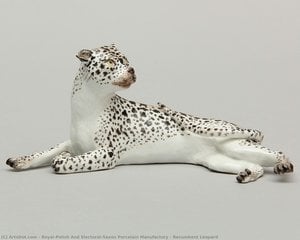
German From Meissen Hard-paste porcelain
The royal-polish and electoral-saxon porcelain manufactory, established in 1710 by Ehrenfried Walther von Tschirnhaus and Johann Friedrich Böttger, stands as a monumental achievement in European ceramics history—a testament to scientific innovation and artistic brilliance that continues to captivate collectors and connoisseurs worldwide.
62of 100
From Tilburg On Wikipedia in 12 of 32 languages
Van Spaendonck came from an artistic family; his younger brother, Cornelis van Spaendonck, also became a successful painter. This early exposure shaped his meticulous attention to detail and refined technique.
63of 100
British From London Rococo On Wikipedia in 10 of 32 languages
Joseph Highmore, born in London in 1692, emerged as a pivotal figure within the evolving landscape of 18th-century English art. Initially influenced by the grand Baroque tradition exemplified by Kneller, Highmore’s style would gradually embrace the more delicate aesthetics of the Rococo period, a shift reflective of broader cultural currents sweeping across Europe.
64of 100
French From Paris Rococo
Jean Jacques Caffiéri (1678-1755) stands as a pivotal figure in French sculpture during the Rococo period, embodying the opulent aesthetic and masterful craftsmanship that defined the era. Guild Recognition & Initial Commissions: By 1715, Caffiéri achieved maître fondeur-ciseleur status, marking his debut as a sculptor with a commission for the Corporation des Fondeurs-Ciseleurs—a testament to his burgeoning reputation and the esteem held by Parisian artisans.
65of 100
French From Paris Rococo On Wikipedia in 12 of 32 languages
Born in Amsterdam around 1715 – though precise dates remain elusive – and passing away there in 1783, Perronneau’s artistic journey unfolded primarily within the vibrant cultural landscape of 18th-century France. He studied with Laurent Cars and found early employment with the Parisian printseller Gabriel Huquier, establishing crucial connections within the burgeoning art world.
Learned from Charles-Joseph Natoire #30
66of 100
English From Exeter Rococo, Portraiture On Wikipedia in 10 of 32 languages
Born in Exeter in 1708, Hayman did not merely observe the cultural evolution of his era; he actively shaped its visual language. As he transitioned from a scenic painter to an independent artist in St Martin's Lane, Hayman brought with him a storyteller’s soul, capable of transforming a static canvas into a window onto a theatrical moment.
67of 100
French From Paris Portrait painting On Wikipedia in 11 of 32 languages
Nattier’s atelier became Tocqué’s formative environment, where he honed his skills under the tutelage of masters like Hyacinthe Rigaud and Nicolas Bertin.
Learned from Jean-Marc Nattier #18
68of 100
Italian From Cremona Rococo, Neoclassicism On Wikipedia in 8 of 32 languages
Donato Creti, born in Cremona in 1671 and passing away in Bologna in 1749, occupies a fascinating, if sometimes overlooked, position within the transition from the Baroque to the Rococo and Neoclassical styles. Commissioned in 1711 by Count Luigi Marsili, these paintings—representing the sun, moon, a comet, and the five then-known planets (Mercury, Venus, Mars, Jupiter, Saturn)—were intended as a diplomatic gift for Pope Clement XI.

69of 100
From Verona On Wikipedia in 11 of 32 languages
Antonio Balestra (born August 12, 1666, Verona, Italy – died April 21, 1740) was a prominent Italian painter of the Rococo period. This foundational training provided him with early skills in drawing and painting techniques.
Taught Giambattista Pittoni #38
70of 100
Italian From Naples Rococo On Wikipedia in 11 of 32 languages
Gaspare Traversi (1722-1770) stands as a singular figure in the vibrant artistic landscape of Naples during the Rococo era, yet his stylistic affinities extend far beyond the confines of Campania.
71of 100
Swedish-German From Stockholm City Rococo, Portraiture On Wikipedia in 9 of 32 languages
Born in Stockholm in 1697 to parents with French roots and artistic lineage – his mother descended from the Dutch Mijtens family of painters – his journey was one of continuous learning and adaptation, ultimately leading him to become a celebrated court painter in Munich.
72of 100
French From Lyon Rococo & Neoclassical On Wikipedia in 8 of 32 languages
Born in Nîmes in 1728, Pillement emerged not merely as a painter, but as a master of atmosphere, weaving together the delicate elegance of the Rococo style with a profound fascination for the distant and the unknown. Pillement’s work serves as a window into the Chinoiserie and Exotisme movements that captivated the French aristocracy.
73of 100
Dutch From Amsterdam Rococo genre scenes On Wikipedia in 8 of 32 languages
Born in the heart of the Dutch Republic on October 8, 1696, in Amsterdam, Troost’s journey from aspiring actor to celebrated painter reveals a fascinating confluence of artistic passions and personal transformation.
74of 100
French From Paris Neoclassical Painting On Wikipedia in 8 of 32 languages
Born in the vibrant heart of Paris in 1686, Jacques de Lajoue emerged as a painter of profound elegance, a master capable of weaving architectural precision with the ethereal softness of the French landscape. His life unfolded during one of the most opulent eras in European history, moving through the twilight of Louis XIV’s reign and into the burgeoning grace of the 18th century.
75of 100
British From Tiverton Regency portrait miniatures On Wikipedia in 10 of 32 languages
Richard Cosway, born in the quiet Devon town of Tiverton in 1742, ascended to become one of the most celebrated portrait miniaturists of his age. Even before establishing his own business by 1760, Cosway had secured recognition from the Society of Arts, foreshadowing the acclaim he would soon garner within London’s vibrant artistic circles.
76of 100
French From Berlin Rococo On Wikipedia in 7 of 32 languages
Born in Berlin in 1689, Mercier’s artistic journey was one that spanned continents and courts, ultimately leaving an indelible mark on the visual culture of Britain. He clearly absorbed the techniques of artists like François Boucher and Jean-Antoine Watteau – masters of Rococo elegance. However, he also demonstrated a keen understanding of English portraiture conventions, particularly the work of Anthony van Dyck and Godfrey Kneller.
77of 100
Swedish From Arboga Rococo On Wikipedia in 7 of 32 languages
To step into the world of Per the Elder Krafft is to enter a realm of gilded salons and breathless elegance, where the light of the Enlightenment meets the delicate ornamentation of the Rococo.
78of 100
Ukrainian, Czech From Buchach Baroque, Rococo
Active in Eastern Galicia – a region encompassing parts of modern-day Ukraine and Poland – Pinsel’s work embodies a unique fusion of Western Baroque exuberance and deeply felt religious emotion. Discovered relatively late by scholar Jan Bołoz Antoniewicz in 1923, Pinsel's story began to unfold through fragmented records and, most powerfully, through the astonishing artistry of his sculptures themselves.
79of 100
From Venice On Wikipedia in 10 of 32 languages
He came from an artistic family; his father was the celebrated genre painter Pietro Longhi. Alessandro received his initial training under his father’s guidance, developing a foundation in observation and detail.
80of 100
Italian From Castellammare di Stabia Rococo On Wikipedia in 11 of 32 languages
In the sun-drenched, vibrant landscape of eighteenth-century Naples, few artists captured the rhythmic pulse of urban life and the theatrical splendor of the era as intimately as Giuseppe Bonito. Born in 1707 in Castellammare di Stabia, Bonito emerged from a period of profound artistic transition, where the dramatic weight of the Baroque was beginning to soften into the playful elegance of the Rococo.
81of 100
French From Pontoise Idyllic Scenes On Wikipedia in 4 of 32 languages
While concrete details regarding his formal training remain elusive, it is known he studied at the Académie de Saint-Luc from 1734, participating in their initial Salon exhibitions starting in 1751. This association placed him within a vibrant artistic community, though distinct from the more established Académie Royale des Peintures et Sculptures.
82of 100
French From Sceaux Baroque, Rococo On Wikipedia in 7 of 32 languages
Louis de Silvestre, a name perhaps less familiar than those of his contemporaries, nevertheless stands as a pivotal figure in the late Baroque and early Rococo art world of France. Born in Sceaux, just south of Paris, in 1675, he wasn’t simply a painter; he was a meticulous craftsman, a courtier’s confidant, and an artist deeply influenced by both classical tradition and the burgeoning spirit of his time.
83of 100
Spanish From Madrid Rococo On Wikipedia in 8 of 32 languages
In the vibrant, sun-drenched tapestry of 18th-century Spain, few artists captured the delicate interplay of light and social elegance as masterfully as Luis Paret y Alcázar. His life, spanning from his birth in Madrid in 1746 to his passing in 1799, was a journey through the heart of Spanish cultural evolution. Paret’s artistic foundation was laid within the prestigious halls of the Academia Real de San Fernando.
84of 100
German, Danish From Chemnitz On Wikipedia in 5 of 32 languages
Johann Salomon Wahl was born in 1689 in Chemnitz, within the Electorate of Saxony. During these years, he worked under the guidance of David Hoyer in Leipzig.
85of 100
Italian From Venice Rococo On Wikipedia in 8 of 32 languages
Born in 1699, Nogari emerged during a transformative era when the heavy, dramatic shadows of the Baroque were beginning to yield to the light, airy grace of the Rococo. This lineage, combined with the delicate pastel sensibilities of Rosalba Carriera and the sophisticated elegance of Jacopo Amigoni, allowed him to weave together a style that was simultaneously much more grounded than the typical Rococo flourish and yet exquisitely refined.
86of 100
French From Montpellier Baroque/Neoclassical On Wikipedia in 8 of 32 languages
Jean Ranc, born in Montpellier in 1674, was a French painter who achieved considerable renown during the reign of Louis XV and Philip V of Spain. Early Training & Influences: Antoine Ranc instilled in Jean a passion for painting and exposed him to European masters—a legacy that would continue through Rigaud’s mentorship.
87of 100
Irish From Dublin Barbizon landscapes & Rococo portraiture On Wikipedia in 4 of 32 languages
Nathaniel Hone I, born in Dublin around 1718, stands as a pivotal figure in the transition between Rococo and Neoclassical art movements. Early Life & Training: Hone’s formative years were spent in Dublin, where he received instruction from Francis Bacon and Jonathan Richardson Sr., two prominent Irish portraitists who championed a dramatic, theatrical style rooted in illusionism.
88of 100
French From Montpellier Symbolist Art On Wikipedia in 7 of 32 languages
Jean Raoux, born in Montpellier, France in 1677, emerged as a captivating figure within the French artistic landscape of the early 18th century. He spent three formative years in Italy, specifically Venice, undertaking decorative commissions for the palace of Giustiniani Solini. Raoux’s talent quickly garnered attention, leading to his acceptance into the prestigious Académie Royale de Peinture et de Sculpture in 1717 as an historical painter.
89of 100
French From Paris Neoclassical/Romantic
In the vibrant heart of nineteenth-century Paris, a period defined by both industrial progress and a profound reverence for classical beauty, Édouard Honoré Ave (1818–1890) emerged as a master of the decorative arts. Born in Paris, Ave was shaped by the intellectual and artistic fervor of his time, finding early inspiration in the prestigious traditions of French painting.
90of 100
Italian From Venice Rococo On Wikipedia in 6 of 32 languages
Within the luminous and often overwhelming splendor of eighteenth-century Venice, the name Francesco Zugno emerges as a vital, if somewhat enigmatic, thread in the tapestry of the Rococo era.
91of 100
French From Martigues Portraiture On Wikipedia in 7 of 32 languages
Joseph Boze (1745-1826) stands as a fascinating figure in the annals of French art history —a portraitist who navigated the turbulent currents of the Enlightenment and Revolution with remarkable resilience. Born in Les Matiques, France, Boze’s artistic journey began amidst a period of significant social and political upheaval, shaping his oeuvre and cementing his place as one of Louis XVI's most trusted artists.
Learned from Maurice Quentin de La Tour #19
92of 100
French From Valenciennes Fêtes galantes On Wikipedia in 6 of 32 languages
His father, Jean Watteau, was a silk merchant and instilled in François a keen appreciation for craftsmanship and visual aesthetics. He subsequently studied under Nicolas Frémiet, further honing his skills in drawing and etching, disciplines that would serve as crucial tools throughout his career.
93of 100
Dutch From Amsterdam Rococo On Wikipedia in 5 of 32 languages
Born in Amsterdam in 1724, Jacobus Buys emerged into a world steeped in the refined sensibilities of the Dutch Rococo period. He embarked on his formal training under Cornelis Pronk and later with Jacob de Wit, both established figures within Amsterdam's art circles.
94of 100
Swiss From Chur Rococo On Wikipedia in 5 of 32 languages
Jeremiah Theus (1716 – 1774) stands as a singular figure in the annals of early American art, primarily recognized for his prolific output of portraits executed during the flourishing Rococo period in Charleston, South Carolina. Born in Chur, Switzerland, he arrived in America with his family around 1740, driven by the promise of land grants and colonial opportunity offered by the British Crown.
95of 100
Danish From Copenhagen Rococo On Wikipedia in 7 of 32 languages
Born in Copenhagen, Denmark, he began his artistic journey under the guidance of the portrait painter Johann Salomon Wahl. Although he achieved significant recognition, his path was not without its hurdles; notably, despite winning a gold medal at the Royal Danish Academy of Fine Arts in 1755, he was denied formal entry into the institution itself.
96of 100
German From Berlin Rococo On Wikipedia in 6 of 32 languages
The air in the studio of David Matthieu carries the scent of oil and pigment, a workspace where Georg David Matthieu begins his life within a family of established artists. This connection extends through his stepmother, Anna Rosina, linking Georg to the influential Georg Lisiewski and the talented Anna Dorothea Therbusch.
97of 100
From Ifs On Wikipedia in 6 of 32 languages
Robert Le Vrac de Tournières was born in Caen, France, in 1667. He further honed his skills under the tutelage of Bon Boullogne and Rigaud, both prominent figures in French painting, setting the stage for a successful career.
98of 100
Spanish From Madrid Neoclassical On Wikipedia in 7 of 32 languages
Born in Madrid on October 14, 1737, Castillo emerged from a world where the flamboyant flourishes of the Rococo were beginning to yield to the disciplined rigor of Neoclassicism. His early life was marked by an extraordinary precocity; at just ten years old, he was already serving as an assistant in the preparatory drawing classes at the prestigious Real Academia de Bellas Artes de San Fernando.
Learned from Corrado Giaquinto #46
99of 100
Italian From Rome Vérité ethnographique On Wikipedia in 2 of 32 languages
Leaving behind the grand estates and classical landscapes of England, Brunias immersed himself in the bustling markets, verdant plantations, and diverse communities of colonial Dominica.
100of 100
Italian From Turin Rococo On Wikipedia in 6 of 32 languages
Born in the historic city of Turin in 1689, Duprà emerged as a master of the Rococo style, an era defined by grace, light, and an almost ethereal sense of movement. Between 1719 and 1730, he found himself in Lisbon, serving the illustrious House of Braganza under King John V.
Pictures worth knowing
When it happened
Fun figures
| France | 37 |
|---|---|
| Italy | 25 |
| Germany | 9 |
| United Kingdom | 6 |
| Sweden | 5 |
| Netherlands | 5 |
| Ukraine | 3 |
| Switzerland | 2 |
| 17th century | 36 |
|---|---|
| 18th century | 62 |
| 19th century | 1 |
| The Louvre | 14 |
|---|---|
| Metropolitan Museum of Art | 11 |
| Hermitage Museum | 9 |
| Nationalmuseum | 8 |
| Gallerie dell'Accademia di Venezia | 7 |
| Museo del Prado | 7 |
| Rijksmuseum | 6 |
| Yale Center for British Art | 5 |
Just the names
Good questions
Jean-Antoine Watteau (#1) is first in this ranking, followed by Canaletto (#2) and Giovanni Battista Tiepolo (#3).
Jean-Antoine Watteau (#1), Canaletto (#2), Giovanni Battista Tiepolo (#3), François Boucher (#4) and Jean-Honoré Fragonard (#5).
The highest-ranked living painters in this list are Royal-Polish And Electoral-Saxon Porcelain Manufactory (#61).
France: 37 of the 100 painters in this list were born there, then Italy (25) and Germany (9).
The earliest-born painter in this list is François de Troy (#25), born in 1645.
Paris: 17 of the painters in this list were born there.
Most painters in this list were born in the 18th century (62 of 100), between 1645 and 1818 overall.
5 women are in this ranking: Rosalba Carriera (#17), Adélaïde Labille-Guiard (#33), Anne Vallayer-Coster (#36), Elisabeth-Louise Vigée-Lebrun (#45) and Anna Dorothea Therbusch (#56).
François Lemoyne (#24) taught Charles-Joseph Natoire (#30) and François Boucher (#4); Canaletto (#2) taught Bernardo Bellotto (#10); François Boucher (#4) taught Jean-Honoré Fragonard (#5).
The highest-ranked painters born in France are Jean-Antoine Watteau (#1), François Boucher (#4), Jean-Honoré Fragonard (#5), Jean-Baptiste-Siméon Chardin (#6) and Jean-Baptiste Greuze (#9).
The museums holding the most key works of this list are The Louvre (14), Metropolitan Museum of Art (11) and Hermitage Museum (9).
Our catalogue holds 11,037 works by these painters. Each one can be ordered as a hand-painted oil reproduction or a print.
Read more
Other styles
Other eras
Famous paintings
Keep exploring