

The Expanding Digital Canvas: A New Era of Museum Access
For centuries, encountering art and history demanded pilgrimage – a journey to grand halls echoing with the weight of ages. The Louvre, the Metropolitan Museum, the Vatican Museums… these names conjured images not just of masterpieces, but of physical spaces, of hushed reverence and the shared experience of awe. Yet, the 21st century has irrevocably altered this paradigm. The digital revolution hasn’t simply *replicated* the museum experience; it has fundamentally reshaped it, democratizing access in ways previously unimaginable. No longer constrained by geography or circumstance, a global audience can now wander through virtual galleries, examine brushstrokes in exquisite detail, and connect with cultural heritage from the comfort of their own homes.
This shift isn’t merely about convenience; it's about a profound re-evaluation of what constitutes ‘access.’ Consider the Virtual Museum of Lusophony in Braga, Portugal. It doesn’t seek to replace physical encounters but rather to *extend* them, weaving together the artistic and musical traditions of Portuguese-speaking nations across continents – a feat impossible within brick and mortar walls. Similarly, projects like Virtual Karabakh offer poignant digital journeys through regions steeped in complex history, preserving cultural memory amidst ongoing challenges. These initiatives demonstrate that virtual museums aren’t simply repositories of images; they are active agents in safeguarding and sharing narratives.
From Ancient Artifacts to Modern Masterpieces: Exploring Virtual Collections
The sheer breadth of what's now available online is astonishing. Google Arts & Culture, for example, serves as a gateway to over 2000 leading museums and archives worldwide. One can lose hours tracing the intricate details of an Egyptian sarcophagus, examining the delicate brushwork of a Vermeer painting, or virtually strolling through the halls of Versailles. The Louvre’s online tours, while often focused on curated themes like trade and power dynamics, offer tantalizing glimpses into its vast collection, allowing visitors to zoom in on masterpieces with unprecedented clarity.
But the experience extends beyond simply viewing static images. The ability to navigate spaces virtually – as offered by Google’s Street View integration within many museum collections – provides a sense of presence that transcends traditional online browsing. Imagine standing before Frank Waller's 1881 depiction of The Metropolitan Museum of Art in its early days, not just *seeing* the painting but experiencing it within a simulated environment reminiscent of the original space. This immersive quality is particularly powerful when exploring architectural marvels or historically significant sites.
Beyond the Gallery Walls: The Cultural Impact of Virtual Museums
The rise of virtual museums has sparked debate about authenticity and interpretation. Can a digital reproduction ever truly capture the essence of an artwork? While purists may argue that nothing can replace the physical encounter, it’s crucial to recognize that *every* experience of art is mediated – by lighting, perspective, personal biases, and the very act of observation. Virtual museums simply offer a different form of mediation, one that allows for greater control and customization.
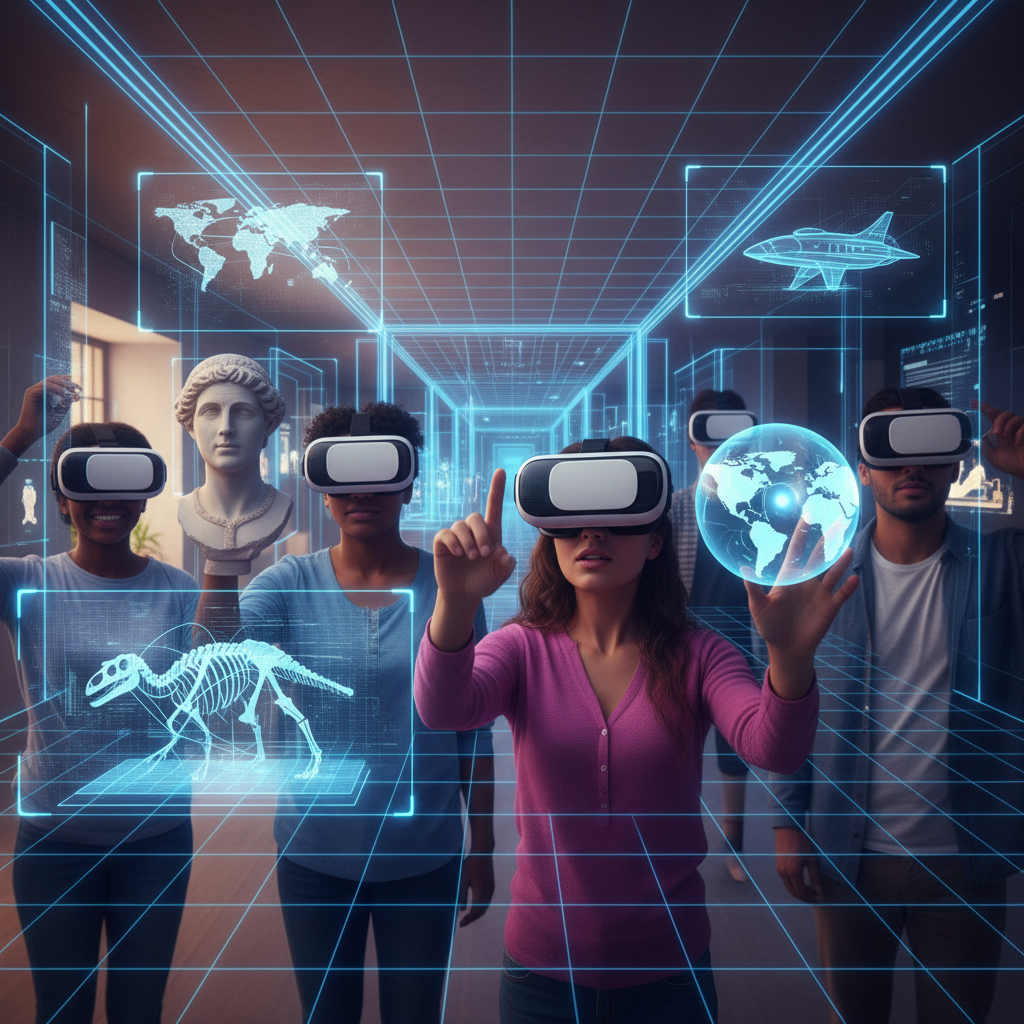
Digital heritage, as UNESCO defines it, encompasses not just digitized objects but also the methods used to preserve and share them. This includes innovative technologies like 3D modeling, virtual reality, and augmented reality, which are transforming how we interact with cultural artifacts. The potential for educational applications is immense. Students can now embark on virtual field trips to distant lands, examine historical sites in detail, and engage with art in interactive ways that were previously impossible.
A Historian’s Perspective: Authenticity and Interpretation in the Digital Realm
The question isn't whether a virtual museum is 'real' enough, but rather how it shapes our understanding of history and culture. Consider the challenges faced when reconstructing lost or damaged heritage. Virtual Karabakh, for instance, serves as a digital archive of a region marked by conflict and displacement. While acknowledging the complexities of its past, the project offers a platform for preserving cultural memory and fostering dialogue. It’s a powerful example of how technology can be used to address sensitive historical issues.
Ultimately, virtual museums are not intended to replace their physical counterparts but to complement them, expanding access, enriching interpretation, and fostering a deeper appreciation for the world's artistic and cultural treasures. They represent a dynamic evolution in how we engage with history – a shift from passive observation to active exploration, driven by technology and fueled by an insatiable human curiosity.