

 Preview
 Send
Send Share
Share
 Details

 Download
 Similars
 X-Ray
X-Ray Diaporama
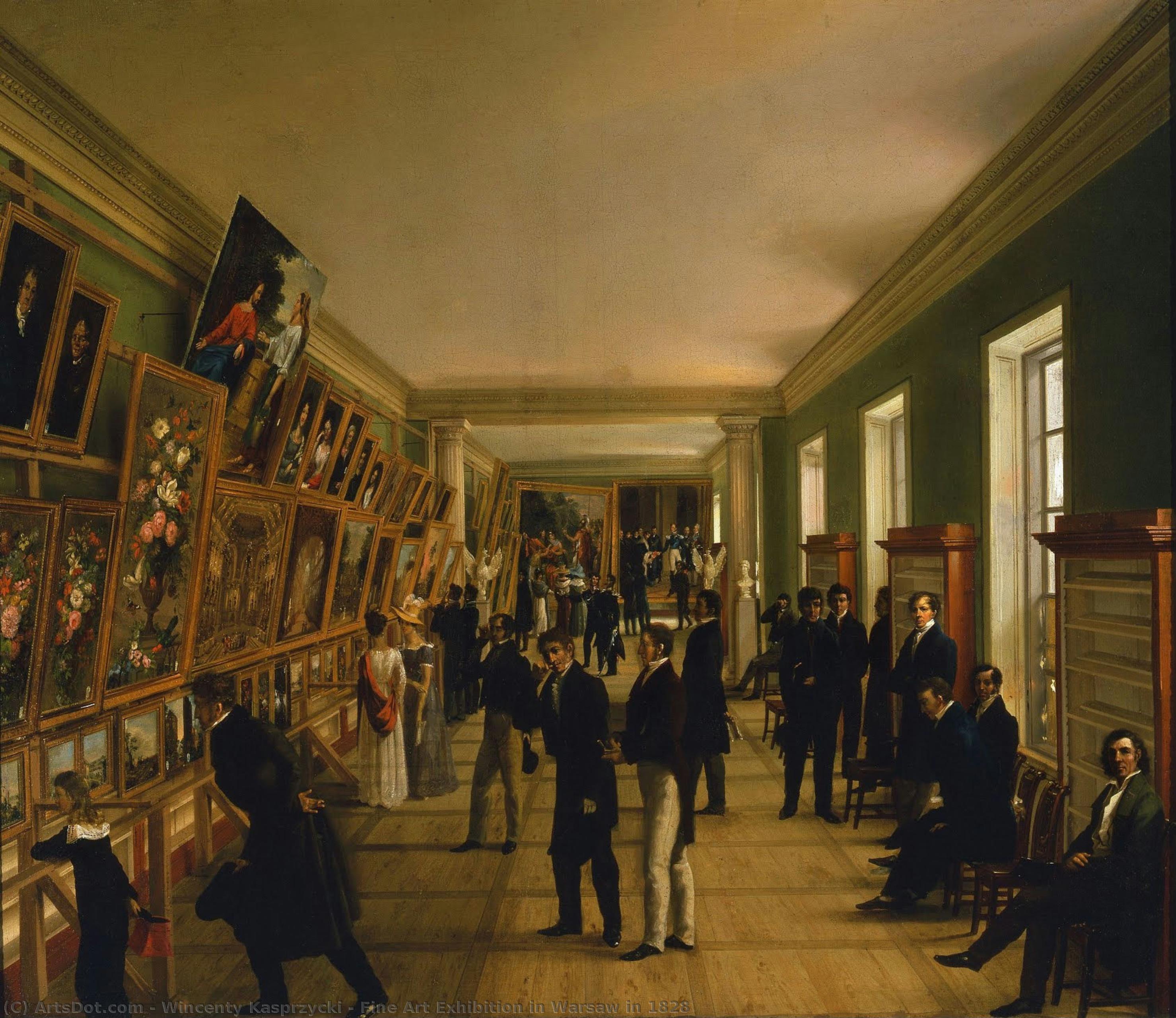
Fine Art Exhibition in Warsaw in 1828
 Oil
Oil- WallArt
- Warsaw Classicism
 19th Century
 111.0 x 94.0 cm
 Warsaw National Museum
 Read More
Hand Made Oil Reproduction
Hand-painted oil on canvas in your size and frame, made to order by our artists. ( Switch to Print Switch to Image)




































Pick from our preset sizes that match the artwork's original proportions.

You may enter your own dimensions to fit a specific frame or space. If your selected size does not match the original image's proportions, we will either crop the artwork or extend the painting with additional hand-painted elements. A digital mockup will be sent for your approval before production begins.
Please note that the on-screen preview does not reflect the actual cropping or extension. Only the mockup will accurately show the final composition.
While custom sizes are available, we recommend selecting a dimension from the predefined list to preserve the original proportions.
After order, ArtsDot.com team will email client for instructions and provide a mockup preview
Worldwide Delivery () in 3/4 weeks instead of standard 5 weeks. (9 August). No compromise on quality.

Free Worldwide Express Shipping

High-Quality Linen Canvas

Full Shipping Insurance

Customs Tax Refund Guarantee

True Color Matching Guarantee

60-Day Return Policy (Defects Only)

100% Money-Back Guarantee

Bulk Discount Offer
 Glass option is only available in size under 110 CM

Fine Art Exhibition in Warsaw in 1828
Reproduction Medium
Reproduction Size
-


Total Price
$ 263
Artwork Description
A Window into Warsaw’s Golden Age
Step into the vibrant, intellectual atmosphere of nineteenth-century Poland through Wincenty Kasprzycki’s masterful Fine Art Exhibition in Warsaw in 1828. This extraordinary painting serves as much more than a mere depiction of a gallery; it is a living, breathing historical document that captures a pivotal moment in the cultural evolution of Warsaw. As we gaze upon this scene, we are transported to the mineralogy department of the University of Warsaw, where the air was thick with the shared passion of artists, scholars, and connoisseurs. Kasprzycki does not simply paint an exhibition; he preserves the very soul of a burgeoning art scene, documenting the precise arrangement of works that once graced these walls.
The composition is a sophisticated tapestry of light, shadow, and social interaction. The artist utilizes a meticulous approach to detail, guiding the viewer’s eye through three distinct tiers of paintings arranged on wooden frameworks. From the delicate floral compositions by Henryka Beyer in the middle row to the grand, monumental canvases tucked into the depths of the hall, every brushstroke contributes to a sense of depth and discovery. There is a profound sense of nostalgia embedded in the work, particularly when one realizes that some of the depicted masterpieces—such as Antoni Brodowski’s Tsar Alexander I Establishing the University of Warsaw—are now lost to time, making Kasprzycki’s canvas a precious, singular survivor of a vanished aesthetic era.
The Art of Observation and Social Elegance
Beyond the canvases on the walls, Kasprzycki breathes life into the room through his skillful use of staffage—the small human figures that populate the scene. This painting is a masterclass in social portraiture, subtly weaving the faces of the era's most influential figures into the fabric of the event. On the right-hand side, near the soft light filtering through the windows, we encounter a gathering of luminaries. We see the artist himself, seated in quiet contemplation, alongside the esteemed Antoni Brodowski and the exhibition’s organizer, Antoni Blank. The presence of figures like Aleksander Kokular, captured mid-gesture with a snuff box, adds an intimate, anecdotal layer to the work, transforming a formal exhibition into a warm, human encounter.
For the collector or interior designer, this piece offers an unparalleled sense of prestige and intellectual depth. The technique reflects the refined Warsaw Classicism of the period, characterized by balanced proportions and a clear, descriptive clarity that makes every element feel tangible. The interplay between the structured rows of art and the spontaneous movements of the visitors creates a dynamic tension that keeps the viewer engaged for hours. It is a work that invites conversation, serving as a magnificent centerpiece for any collection dedicated to European history or the fine art of the nineteenth century.
A Timeless Addition to Sophisticated Interiors
Integrating a high-quality reproduction of this masterpiece into a contemporary space provides an immediate sense of historical gravity and cultural richness. The painting’s palette, while grounded in the earthy tones of wooden frames and classical oil pigments, is enlivened by the natural light of the depicted hall, making it versatile enough to complement both traditional period rooms and modern, minimalist galleries. It acts as a "window" within a room, offering a view into a lost world of academic rigor and artistic celebration.
Owning or displaying this work is an act of preserving memory. It is an invitation to reflect on the continuity of art history and the enduring human desire to gather, observe, and find beauty in the shared experience of looking. Whether you are drawn to its complex historical narrative, its intricate social details, or its role as a foundational piece of Polish art history, Kasprzycki’s 1828 exhibition remains an evocative triumph of observational painting.
Related Artworks


Artist Biography
early life and education
wincenty kasprzycki, a renowned polish painter and lithographer, was born in warsaw, poland in 1802. he pursued his artistic education in warsaw and vilnius, where he developed a keen interest in landscape paintings and vedute.artistic style and notable works
kasprzycki's artistic style is characterized by the use of staffages, as seen in his notable works such as portraits of the puchałów. in addition to his portrait paintings, he also created interior scenes of buildings, including the fine arts exhibition in warsaw in 1828. his lithographic skills were primarily employed for capturing portraits.museum collections and legacy
kasprzycki's works are currently housed at the museum of king john iii's palace in warsaw, as well as in poznań and lwów. his great grandson, wincenty kasprzycki (1906-1965), was a sculptor.artistic contributions and relevance
- contribution to polish art: kasprzycki's work significantly contributed to the development of polish art, particularly in the realm of landscape painting.
- influence on subsequent generations: his artistic legacy extends beyond his own time, influencing subsequent generations of artists.
viewing kasprzycki's art at ArtsDot
to explore more of kasprzycki's works and learn about other notable polish artists, visit wincenty kasprzycki's page on ArtsDot. for a comprehensive overview of polish art, check out the greatest artists at ArtsDot.related artists and museums
- maurycy minkowski, a polish painter known for his genre scenes, can be found on his page at ArtsDot.
- discover the museum of king john iii's palace in warsaw's collection and other notable museums on ArtsDot's museum guide.

wincenty kasprzycki
1802 - 1849 , Poland
Quick Facts
- Artistic Movement Or Style: Romanticism, Animal Painting
- Artists Or Movements Influenced By This Artist:
- George Romney
- Victorian Painting
- Artists Who Influenced This Artist:
- Carle Vanloo
- Edward Dayes
- Date Of Birth: 7 March 1802
- Date Of Death: 1 October 1873
- Full Name: Edwin Henry Landseer
- Nationality: English
- Notable Artworks:
- The Old Shepherd's Chief Mourner
- Dignity and Impudence
- The Monarch of the Glen
- Place Of Birth: London, England
Related Articles

Harmonizing Contrasts: Integrating Abstract Art into Classic Interiors for Timeless Modernity
Elevate your classic home with abstract art! Discover expert tips for seamlessly blending modern pieces into timeless interiors. Find the perfect artwork & design advice at ArtsDot.

Neo-Classicism's Greatest Hits: 10 Masterpieces for Your Home |
Journey through Neo-Classicism's finest! Explore 10 iconic masterpieces by David, Ingres & Canova. Discover art history, techniques & timeless beauty – perfect for inspiring your home decor. Find museum-quality reproductions at

National Gallery London's Masterpieces: 25 Iconic Paintings for Your Home Decor
Journey through the National Gallery London's 25 most iconic paintings! Explore Van Gogh, Monet, Rembrandt & more. Discover art history, techniques & find museum-quality reproductions for your home decor on ArtsDot.com.

19th Century Masterpieces: 10 Paintings That Defined an Era | ArtsDot
Journey through 19th century art with ArtsDot! Explore 10 iconic paintings – from Monet & Renoir to Courbet – and discover the stories behind Romanticism, Realism & Impressionism. Find museum-quality reproductions for your home decor. Explore the full collection online!

Jan Matejko: Historical Narrative & National Identity in 19th-Century Polish Painting
Explore the powerful historical paintings of Jan Matejko, Poland's national artist. Discover his iconic works & learn how he shaped Polish identity in the 19th century. High-quality reproductions available.


