


 Preview
 Send
Send Share
Share
 Details

 Download
 Similars
 X-Ray
X-Ray Diaporama
 Stats
StatsJupiter and Io
 Oil On Canvas
- WallArt
- High Renaissance
 1540
1540 735.0 x 1620.0 cm
 Kunsthistorisches Museum
 Read More
Giclée / Art Print
Museum-quality giclée or canvas print with fast production and flexible finish options. ( Buy Hand Made Painting Switch to Digital Image)




P118B $10

P118H $10

P118W $10

P438Z $10

P508JH $12

P508YH $12

P805H $10

P805Z $10

P919BZ $10

P919G $10

P919XJ $10

P959ZH $10

P968JZ $12

W106C $8

W218G $10

W218JH $8

W218Y $10

W307PJ $10

W316G $10

W316PJ $8

W316Y $10

W398PJ $8

W4111J $10

W500HY $15

W500JH $15

W692G $12

W849H $8

W940BG $15

W953PJ $8




Pick from our preset sizes that match the artwork's original proportions.

You may enter your own dimensions to fit a specific frame or space. If your selected size does not match the original image's proportions, we will either crop the artwork or extend the image with a mirrored or solid-fill edge. A digital mockup will be sent for your approval before production begins.
Please note that the on-screen preview does not reflect the actual cropping or extension. Only the mockup will accurately show the final composition.
While custom sizes are available, we recommend selecting a dimension from the predefined list to preserve the original proportions.
Worldwide Delivery () in 2 weeks instead of standard 4/5 weeks. (11 September)

Free Worldwide Express Shipping

High-Quality Linen Canvas

Full Shipping Insurance

Customs Tax Refund Guarantee

True Color Matching Guarantee

100-Day Return Policy (Defects Only)

100% Money-Back Guarantee

Bulk Discount Offer
 Glass option is only available in size under 110 CM

Jupiter and Io
Giclée / Art Print
Reproduction Size
-


Total Price
$ 63
A Divine Encounter: Antonio Allegri’s “Jupiter and Io”
Antonio Allegri da Correggio's "Jupiter and Io" is not merely a painting; it’s an immersion into the intoxicating heart of classical mythology, rendered with a dynamism and sensuality that foreshadowed the dramatic flair of the Baroque era. Completed around 1530, this monumental canvas—a commanding presence at nearly seven by sixteen feet—captures a pivotal moment from Ovid's *Metamorphoses*, where the king of gods, Jupiter (Zeus), seduces the mortal nymph Io. Correggio doesn’t simply depict a mythological scene; he conjures an atmosphere thick with desire, manipulation, and the sublime beauty of a forbidden union.
The composition immediately draws the eye to Io, draped in flowing fabric that seems to both contain and reveal her form. Her pose—leaning back, eyes closed, lost in rapturous surrender—is utterly captivating. Jupiter, partially obscured by swirling grey clouds and a dramatic use of sfumato, is not presented as a forceful conqueror but rather as a veiled presence, a whisper of divine power. The strategic placement of the deer in the lower right corner introduces an unexpected element of rustic tranquility, subtly tempering the intensity of the scene with a touch of Christian symbolism – a gentle reminder of innocence and vulnerability amidst the god’s passionate pursuit. This juxtaposition elevates the painting beyond a simple mythological narrative, hinting at themes of power, temptation, and the delicate balance between earthly desire and divine authority.
The Masterstroke of Illusionism: Technique and Style
Correggio's genius lies not just in his ability to capture the essence of mythology but also in his masterful manipulation of technique. Painted primarily in oil on canvas, the work showcases a remarkable command of chiaroscuro – the dramatic interplay of light and shadow – that creates an almost palpable sense of atmosphere. The swirling clouds are rendered with delicate gradations of tone, while Io’s body is bathed in soft, diffused light, highlighting her form and emphasizing her vulnerability. Crucially, Correggio employs a technique known as *sotto in su*, or “from below upwards,” which was revolutionary for its time. This illusionistic approach creates the impression that the viewer is looking up at the scene from within Jupiter’s cloud, blurring the boundaries between reality and representation.
The painting's elongated vertical format further enhances this sense of drama and movement. Correggio expertly uses lines to define the contours of the figures and drapery, while simultaneously contributing to the swirling effect of the clouds. The overall texture is remarkably smooth and blended, a testament to his skill in applying oil paint—a hallmark of Renaissance artistry. The subtle shifts in color and tone contribute to an almost dreamlike quality, inviting the viewer to lose themselves within the painting’s intoxicating embrace.
A Legacy Forged in Mantua: Historical Context
“Jupiter and Io” was commissioned by Federico Gonzaga, Duke of Mantua, a discerning patron of the arts who recognized Correggio's extraordinary talent. Gonzaga’s collection included several other works by Correggio, including “The Abduction of Ganymede” and “Leda and the Swan,” all intended for his lavish palace in Mantua. The commission itself carries significant historical weight; such mythological scenes were often employed as metaphors for absolute power – a concept particularly relevant to Gonzaga’s ambitions. Interestingly, the painting's presence in Vienna reflects a complex political maneuver: the works were gifted to Emperor Charles V, potentially as a subtle demonstration of Gonzaga’s influence and strategic alliances.
Correggio’s innovative style—his dynamic compositions, illusionistic perspective, and dramatic use of light and shadow—proved profoundly influential. He is widely considered a precursor to the Baroque movement, paving the way for artists like Bernini and Caravaggio with his bold experimentation and sensual approach to depicting human form and emotion. His work continues to resonate today, captivating viewers with its timeless beauty and profound exploration of themes of love, power, and the mysteries of the divine.
Capturing the Essence: Reproduction Considerations
Reproductions of “Jupiter and Io” offer a remarkable opportunity to bring this masterpiece into your home or office. When selecting a reproduction, consider the level of detail and accuracy – aiming for a print that faithfully captures Correggio’s masterful use of color, texture, and illusionistic perspective. High-quality archival inks and canvas materials will ensure that the reproduction retains its vibrancy and longevity for years to come. This iconic image is more than just decoration; it's an invitation to contemplate the enduring power of mythology and the artistry of a true Renaissance master.
Related Artworks


Artist Biography
**early life and artistic beginnings**
antonio allegri, also known as correggio, was an italian renaissance painter born in 1489 in correggio, italy. he is renowned for his dynamic compositions, innovative use of chiaroscuro, and dramatic flair, which prefigured the baroque art of the seventeenth century and the rococo art of the eighteenth century.**artistic style and influences**
allegri's work is characterized by its sensuousness and vigor, reflecting the artistic ideals of the high italian renaissance. his use of dynamic composition, illusionistic perspective, and dramatic flair set him apart as a master of his time. the influence of his work can be seen in the subsequent baroque and rococo movements.**notable works and museums**
* correggio's "pietà" (115 x 317 cm, doge's palace, venice, italy) is a prime example of the early renaissance style, featuring a realistic depiction of the human form, as well as a masterful use of chiaroscuro and linear perspective. * the museo de la real academia de san fernando (madrid, spain) houses a fine art collection that includes works from the middle ages to the baroque period, reflecting the artistic evolution influenced by allegri's style.**legacy and impact**
allegri's innovative approach to composition and his dramatic flair have left an indelible mark on the art world. his influence can be seen in various art movements that followed, including the baroque and rococo styles. as a prominent figure in the italian renaissance, allegri's work continues to inspire artists and art enthusiasts alike.- view antonio allegri's artworks on ArtsDot
- read more about antonio da correggio on wikipedia
- discover the museum duomo of parma, italy on ArtsDot
**conclusion**
antonio allegri's contributions to the art world are undeniable. his innovative style and approach have influenced generations of artists, cementing his place as a master of the italian renaissance.
antonio allegri
1489 - 1534 , Italy
Quick Facts
- Artistic Movement Or Style: Early Renaissance, Renaissance
- Artists Or Movements Influenced By This Artist:
- Baroque
- Rococo
- Artists Who Influenced This Artist:
- Andrea Mantegna
- Leonardo da Vinci
- Date Of Birth: August 1489
- Date Of Death: March 5, 1534
- Full Name: Antonio Allegri da Correggio
- Nationality: Italian
- Notable Artworks:
- Assumption of the Virgin
- Jupiter and Io
- The Mystical Marriage of St Catherine
- Place Of Birth: Correggio, Italy
Related Articles

Antonio da Correggio: Innovation, Illusionism & the Poetics of Grace in Renaissance Painting
Explore the revolutionary art of Antonio da Correggio, a master of Renaissance illusionism and chiaroscuro. Discover his frescoes, mythological paintings & lasting influence on Baroque art. Expert analysis & key works featured.

Romantic Masterpieces: 10 Artworks to Stir Your Soul |
Fall in love with art! Explore 10 iconic romantic paintings – from Renaissance classics to Impressionist masterpieces. Discover the stories behind artists like Monet & Klimt, and find museum-quality reproductions for your home at .

Echoes of Olympus: Mythological Narratives in Western Art Through the Ages
Explore the captivating history of mythological narratives in Western art! From ancient Greece to modern masterpieces, discover iconic artworks & symbolism. Expert analysis and high-quality reproductions at ArtsDot.
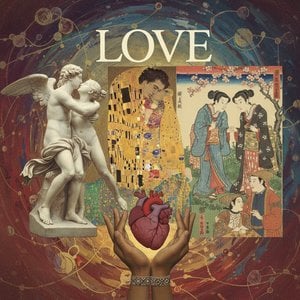
The Enduring Motif of Love in Art History: A Cross-Cultural Exploration of Representation and Emotion
Explore the rich history of love in art! Discover iconic masterpieces, artistic techniques & cultural symbolism from antiquity to modern times. Expert analysis for collectors.

Eternal Love: Top 10 Wedding Art Gifts & Their Meaning |
Find the perfect wedding gift! Explore 10 meaningful art gifts – from Monet to Klimt – symbolizing love & lasting commitment. Discover museum-quality reproductions and curated decor ideas at .


