Preview
 Send
Send Share
Share
 Details
 Guide
Guide

 Download
 Similars
 X-Ray
X-Ray Diaporama
 Stats
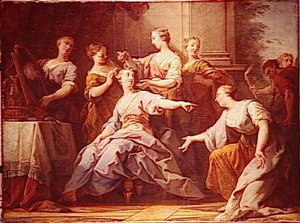
StatsANANIE IMPOSANT LES MAINS A SAINT PAUL


 Read More
Hand Made Oil Reproduction
Hand-painted oil on canvas in your size and frame, made to order by our artists. ( Switch to Print Switch to Digital Image)




P118B $10

P118H $10

P118W $10

P438Z $10

P508JH $12

P508YH $12

P805H $10

P805Z $10

P919BZ $10

P919G $10

P919XJ $10

P959ZH $10

P968JZ $12

W106C $8

W218G $10

W218JH $8

W218Y $10

W307PJ $10

W316G $10

W316PJ $8

W316Y $10

W398PJ $8

W4111J $10

W500HY $15

W500JH $15

W692G $12

W849H $8

W940BG $15

W953PJ $8




Pick from our preset sizes that match the artwork's original proportions.

You may enter your own dimensions to fit a specific frame or space. If your selected size does not match the original image's proportions, we will either crop the artwork or extend the painting with additional hand-painted elements. A digital mockup will be sent for your approval before production begins.
Please note that the on-screen preview does not reflect the actual cropping or extension. Only the mockup will accurately show the final composition.
While custom sizes are available, we recommend selecting a dimension from the predefined list to preserve the original proportions.
After order, ArtsDot.com team will email client for instructions and provide a mockup preview
Worldwide Delivery () in 3/4 weeks instead of standard 5 weeks. (23 September). No compromise on quality.

Free Worldwide Express Shipping

High-Quality Linen Canvas

Full Shipping Insurance

Customs Tax Refund Guarantee

True Color Matching Guarantee

100-Day Return Policy (Defects Only)

100% Money-Back Guarantee

Bulk Discount Offer
 Glass option is only available in size under 110 CM

ANANIE IMPOSANT LES MAINS A SAINT PAUL
Reproduction Medium
Reproduction Size
-


Total Price
$ 413
Ananie Impostant Les Mains à Saint Paul: A Dramatic Revelation
Jean-Bernard Restout’s “Ananie Impostant Les Mains à Saint Paul” is not merely a painting; it's a visceral plunge into the heart of a pivotal biblical narrative. Completed in 1719, this monumental work, now housed within the esteemed collection of the Louvre Museum in Paris, captures a moment of profound transformation – the restoration of sight to St. Paul by Ananias, a scene brimming with spiritual intensity and theatrical drama. Restout, a prominent figure of the Rococo period, masterfully blends Baroque dynamism with the era’s characteristic opulence, creating an artwork that continues to resonate with viewers centuries later.
The composition immediately commands attention. A central beam of light, radiating from above like divine grace itself, illuminates the scene, bathing the figures in a golden glow. This dramatic lighting is a hallmark of Restout’s style, expertly employed to heighten the emotional impact and draw the eye towards the core of the narrative: Ananias extending his hands toward the blinded Paul. The setting, likely inspired by Roman or classical architecture – evidenced by the imposing columns and arches in the background – provides a suitably grand backdrop for this transformative event. The figures are arranged with deliberate precision, creating a sense of movement and urgency as Paul’s eyes slowly open to reveal the world anew.
A Symphony of Color and Texture
Restout's palette is rich and warm, dominated by ochres, browns, reds, and yellows – colors that evoke both earthly solidity and divine illumination. These hues are skillfully layered with cooler blues and greens in the architectural details and shadows, adding depth and complexity to the scene. The artist’s brushwork is visible, contributing a textured surface that invites close examination. Notice how he uses impasto—thickly applied paint—to emphasize the folds of the drapery and the intensity of Paul's expression. The use of glazing techniques further enhances the luminosity of the light source, creating an almost ethereal quality.
Beyond the technical mastery, Restout’s choice of colors is deeply symbolic. The vibrant red robe worn by one figure – likely Ananias himself – draws immediate attention and signifies his role as a conduit for divine intervention. The muted tones of Paul's clothing contrast sharply with the brilliance of the light, underscoring his transition from darkness to enlightenment. The discarded armor and weaponry scattered at the base of the scene represent the relinquishment of worldly power—a key element in Paul’s conversion story.
Symbolism and Spiritual Depth
“Ananie Impostant Les Mains à Saint Paul” is far more than a depiction of a biblical event; it's an exploration of faith, repentance, and the transformative power of divine grace. The central beam of light serves as a potent symbol of revelation—a direct connection between God and humanity. The act of Ananias extending his hands represents not just physical restoration but also spiritual awakening. Paul’s expression – a mixture of surprise, gratitude, and nascent faith – is remarkably lifelike, conveying the profound emotional impact of this pivotal moment.
Furthermore, the scene resonates with broader themes of redemption and the possibility of new beginnings. The discarded armor speaks to the shedding of old attachments and the embrace of a higher purpose. The composition as a whole invites contemplation on the nature of faith and the journey from darkness to light—a timeless message that continues to inspire viewers today.
A Legacy of Rococo Grandeur
Jean-Bernard Restout’s “Ananie Impostant Les Mains à Saint Paul” stands as a testament to the dynamism and emotional intensity of the Rococo period. Influenced by the grandeur of the Baroque, Restout infused his work with a sense of theatrical drama and heightened emotion. This painting exemplifies his skill in capturing complex narratives through carefully constructed compositions, rich color palettes, and masterful use of light and shadow. Reproductions of this powerful artwork offer a captivating glimpse into a pivotal moment in Christian history—a reminder of the enduring power of faith and the transformative potential within us all.
Related Artworks


Artist Biography
early life and training
jean-bernard restout, a french painter, was born in paris in 1732 and died in the same city in 1797. he was the son of jean ii restout and, like his father, a member of the académie de rouen.artistic achievements
* jean-bernard restout won the prestigious prix de rome in 1758. * he was aggregated to the académie royale upon his return from italy in 1765 and received into it in 1769.notable exhibitions and collections
* jean-bernard restout frequently exhibited at the salon de paris from 1767 to 1791. * his work is part of the collection at the musée des beaux-arts de rouen, which can be explored through [ArtsDot.com's platform](https://ArtsDot.com/@@/a@d3aq25).revolutionary involvement and later life
* during the french revolution, jean-bernard restout was president of the commune des arts. * he campaigned for the suppression of the académie with its founder david. * as guardian of the garde-meuble royal under roland, he faced imprisonment during the reign of terror but was released after the 9 thermidor coup d'etat in 1794.legacy and artistic significance
* jean-bernard restout's artistic legacy is marked by his adherence to traditional french painting techniques while reflecting the early stirrings of revolutionary fervor. * his work, though less celebrated than some of his contemporaries, offers a unique window into the artistic and political landscape of 18th-century france.key works and collections
- jean-bernard restout's paintings are characterized by their elegance and restraint, reflecting his training in the académie de rouen tradition.
- explore more of jean-bernard restout's work and other french artists on [ArtsDot.com](https://ArtsDot.com/@/jean-bernard-restout).
- discover the masterpieces of musée des beaux-arts de rouen, featuring works by jean-bernard restout and other french artists, at [ArtsDot.com's musée des beaux-arts de rouen collection](https://ArtsDot.com/@@/a@d3aq25).
conclusion
jean-bernard restout, a figure of french art history, left an indelible mark on the world of painting with his unique blend of traditional techniques and revolutionary fervor. his legacy, though less widely recognized, offers a compelling glimpse into the artistic and political currents of 18th-century france.
jean-bernard restout
1732 - 1797 , France
Related Articles

The Enduring Legacy of Oil on Canvas: Technique, History & Aesthetic Impact
Explore the rich history & techniques of oil painting – from Renaissance masters to Impressionism. Discover pigments, layering methods, and why this timeless medium endures. Expert insights for artists & art enthusiasts.

Cézanne's Masterpieces: 25 Iconic Artworks to Transform Your Space
Journey through 25 iconic artworks by Paul Cézanne – a master of Impressionism and Post-Impressionism. Explore his landscapes, still lifes, and the stories behind these timeless masterpieces. Discover museum-quality reproductions & curated decor at ArtsDot.com.

Oil on Board Masters: 10 Paintings That Redefined Art | ArtsDot
Explore 10 legendary 'Oil on Board' masterpieces by Van Gogh, Monet & more! Discover art history, iconic styles like Impressionism, and find museum-quality reproductions to elevate your home decor. Explore the full collection online at ArtsDot.com.

Paul Huet: Capturing the Essence of French Romanticism Through Light and Landscape
Explore the captivating world of Paul Huet (1803-1869), a master of French Romantic landscape painting. Discover his influence on Barbizon & Impressionism, and browse high-quality reproductions at ArtsDot.

Paul Klee's Masterpieces: Explore 25 Iconic Paintings & Prints | ArtsDot
Journey through Paul Klee's 25 most iconic paintings & prints. Explore his abstract style, Bauhaus influence, and vibrant color palettes. Find museum-quality art reproductions & decor ideas at ArtsDot.com. Discover all masterpieces online.