

 Preview
 Send
Send Share
Share
 Details

 Download
 Similars
 X-Ray
X-Ray Diaporama
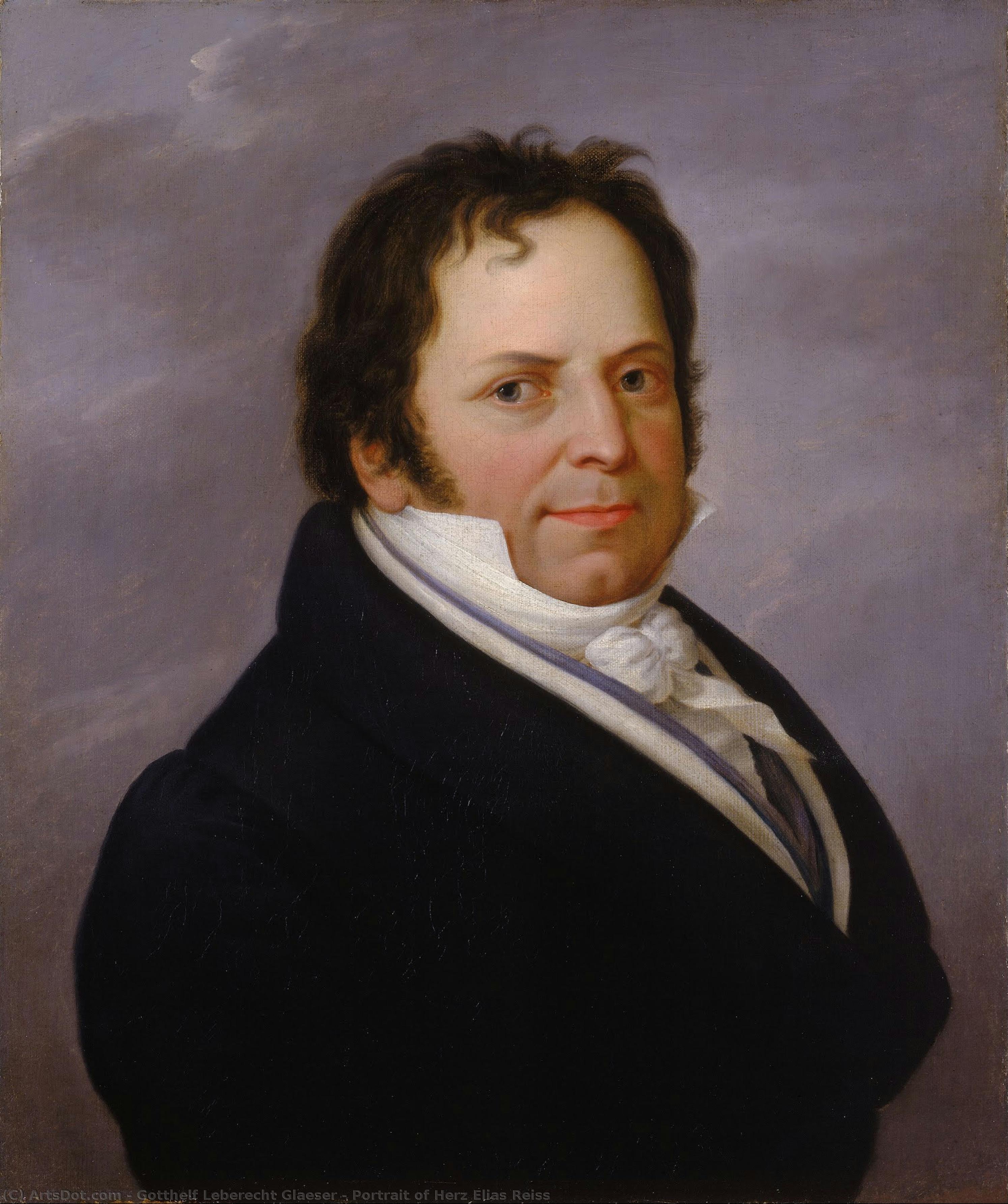
Portrait of Herz Elias Reiss
 Oil On Canvas
- WallArt
- Biedermeier
 1830
1830 448.0 x 530.0 cm
 The Jewish Museum
 Read More
Hand Made Oil Reproduction
Hand-painted oil on canvas in your size and frame, made to order by our artists. ( Buy Print Buy Image)




P118B $10

P118H $10

P118W $10

P438Z $10

P508JH $12

P508YH $12

P805H $10

P805Z $10

P919BZ $10

P919G $10

P919XJ $10

P959ZH $10

P968JZ $12

W106C $8

W218G $10

W218JH $8

W218Y $10

W307PJ $10

W316G $10

W316PJ $8

W316Y $10

W398PJ $8

W4111J $10

W500HY $15

W500JH $15

W692G $12

W849H $8

W940BG $15

W953PJ $8




Pick from our preset sizes that match the artwork's original proportions.

You may enter your own dimensions to fit a specific frame or space. If your selected size does not match the original image's proportions, we will either crop the artwork or extend the painting with additional hand-painted elements. A digital mockup will be sent for your approval before production begins.
Please note that the on-screen preview does not reflect the actual cropping or extension. Only the mockup will accurately show the final composition.
While custom sizes are available, we recommend selecting a dimension from the predefined list to preserve the original proportions.
After order, ArtsDot.com team will email client for instructions and provide a mockup preview
Worldwide Delivery () in 3/4 weeks instead of standard 5 weeks. (14 August). No compromise on quality.

Free Worldwide Express Shipping

High-Quality Linen Canvas

Full Shipping Insurance

Customs Tax Refund Guarantee

True Color Matching Guarantee

60-Day Return Policy (Defects Only)

100% Money-Back Guarantee

Bulk Discount Offer
 Glass option is only available in size under 110 CM

Portrait of Herz Elias Reiss
Reproduction Medium
Reproduction Size
-


Total Price
$ 263
Artwork Description
A Portrait Steeped in Sentimentality: Exploring Gotthelf Leberecht Glaeser’s “Portrait of Herz Elias Reiss”
The painting "Portrait of Herz Elias Reiss," executed by Gotthelf Leberecht Glaeser around 1830, stands as a quintessential example of Biedermeier portraiture—a movement characterized by its intimate scale, understated elegance, and profound psychological depth. More than just a likeness, it’s an exploration of human emotion rendered with remarkable sensitivity and technical precision. Glaeser's mastery lies in capturing not merely physical appearance but also the inner life of his subject, Herz Elias Reiss, creating an image that transcends mere representation to convey a palpable sense of melancholy and contemplation.- Subject Matter & Composition: The portrait depicts Herz Elias Reiss seated formally against a muted backdrop—a deliberate choice reflecting the Biedermeier preference for domestic interiors and restrained palettes. Glaeser’s focus is unwavering on Reiss's face, meticulously detailing features like his furrowed brow and subtly downturned gaze. This compositional strategy invites viewers to engage in an unspoken dialogue with the sitter, prompting reflection on his thoughts and feelings.
- Style & Technique: Glaeser employed a technique rooted in tonal painting—a method favored by artists of the era—where subtle gradations of color create depth and luminosity. He skillfully blended oil paints to achieve velvety textures and nuanced shading, capturing the nuances of light and shadow on Reiss’s skin. The artist's meticulous attention to detail is evident in every brushstroke, demonstrating a commitment to realism tempered by artistic expression.
Historical Context: The Biedermeier Aesthetic
The Biedermeier period (roughly 1830-1848) emerged from the turbulent political landscape of post-Napoleonic Germany. Amidst anxieties about social upheaval and national identity, artists sought refuge in portraying scenes of everyday life and familial intimacy—a reaction against the grand narratives of Romanticism. Glaeser’s work embodies this ethos, prioritizing psychological realism over theatrical grandeur. The painting speaks to a broader cultural preoccupation with introspection and emotional honesty, reflecting the values of the time.- Symbolism & Emotion: While overtly devoid of overt symbolism, “Portrait of Herz Elias Reiss” communicates profound emotion through its gaze and posture. Reiss’s melancholic expression suggests a contemplative spirit—a preoccupation with inner thoughts and feelings—characteristic of the Biedermeier sensibility. Glaeser's ability to convey such subtle psychological nuances underscores his artistic prowess.
Legacy & Influence
Glaeser’s “Portrait of Herz Elias Reiss” remains a celebrated masterpiece of Biedermeier art, admired for its understated beauty and emotional resonance. It exemplifies the movement's commitment to capturing the human spirit with compassion and sensitivity—a legacy that continues to inspire artists today. Its enduring appeal lies in its ability to connect with viewers on an emotional level, prompting contemplation about themes of solitude, introspection, and the complexities of human experience.Further Exploration
For a deeper understanding of Glaeser’s artistic vision and the broader context of Biedermeier art, consider visiting The Jewish Museum's online collection (Related Artworks




Artist Biography
**early life and training**
gotthelf leberecht glaeser, a prominent figure in the biedermeier movement, was born on july 11, 1784, in pegau, germany. his artistic journey began under the tutelage of friedrich august tischbein in leipzig, where he honed his skills in portraiture. the influence of anton graff, a renowned artist of the time, also played a significant role in shaping glaeser's artistic style.**artistic career and notable works**
glaeser's specialization in portraiture earned him recognition for his delicate colors and soulful realism. his work as a court painter in darmstadt, starting from 1812, further solidified his reputation. a notable aspect of his career is his membership in the local masonic lodge johannes evangelist eintracht.- key artistic contributions:
- delicate colors and soulful realism in portraiture.
- influence on the biedermeier movement with his unique style.
- membership in the johannes evangelist eintracht masonic lodge.
- notable works:
- portraits of darmstadt court, showcasing his mastery of portraiture.
- lithographic reproductions, demonstrating his adaptability to emerging technologies.
**legacy and remembrance**
glaeser's legacy is preserved in the darmstadt castle museum and the hessian national museum, darmstadt. a testament to his enduring impact on the art world is the naming of glaeserweg in darmstadt-arheilgen in his honor.- places of significance:
- darmstadt castle museum, housing glaeser's notable works.
- hessian national museum, darmstadt, featuring his lithographic reproductions.
- online presence:
**conclusion**
gotthelf leberecht glaeser's profound influence on the biedermeier movement, coupled with his unique approach to portraiture, has left an indelible mark on art history. his legacy continues to inspire artists and art enthusiasts alike, readily accessible through ArtsDot’s extensive collection.
gotthelf leberecht glaeser
1784 - 1851 , Germany
Quick Facts
- Artistic Movement Or Style: Portrait painting
- Artists Or Movements Influenced By This Artist: ['Thomas Hudson']
- Artists Who Influenced This Artist:
- Duncan Forbes
- Francis Egerton
- Date Of Birth: 13 Oct 1713
- Date Of Death: 10 Aug 1784
- Full Name: Allan Ramsay
- Nationality: Scottish
- Notable Artworks:
- Duncan Forbes
- Archibald Campbell
- Place Of Birth: Edinburgh, Scotland
Related Articles

Max Ernst's Masterpieces: 25 Surreal Visions for Art Lovers & Home Decor
Journey into the surreal world of Max Ernst! Explore 25 iconic paintings, from Dada to abstract expressionism. Discover the stories behind his masterpieces & find museum-quality art reproductions for your home decor at ArtsDot.com.

The Enduring Legacy of Oil on Canvas: Technique, History & Aesthetic Impact
Explore the rich history & techniques of oil painting – from Renaissance masters to Impressionism. Discover pigments, layering methods, and why this timeless medium endures. Expert insights for artists & art enthusiasts.

Oil on Canvas: A Historical & Technical Exploration of a Timeless Artistic Medium
Explore the rich history & enduring techniques of oil painting on canvas. Discover the science behind its longevity, conservation practices, and contemporary relevance. Expert insights for art enthusiasts.

The Enduring Power of Painting: A Historical & Contemporary Exploration of Form and Emotion
Explore the rich history & enduring techniques of oil painting with ArtsDot. Discover masterpieces, learn about art collecting, and find authentic handmade reproductions crafted by skilled artists.

The Digital Portrait Renaissance: Transforming Personal Photography into Timeless Oil Paintings Through Artistic Reproduction
Transform your cherished photos into timeless oil paintings with ArtsDot's expert artists. Museum-quality reproductions & custom portraits, crafted to last a lifetime. Discover the art of personal legacy.


