


 Preview
 Send
Send Share
Share
 Details

 Download
 Similars
 X-Ray
X-Ray Diaporama
 Stats
StatsPeonies
 Tempera
- Primitivism
 1916
1916- Modern
 70.0 x 65.0 cm
 Read More
Hand Made Oil Reproduction
Hand-painted oil on canvas in your size and frame, made to order by our artists. ( Switch to Print Switch to Digital Image)




P118B $10

P118H $10

P118W $10

P438Z $10

P508JH $12

P508YH $12

P805H $10

P805Z $10

P919BZ $10

P919G $10

P919XJ $10

P959ZH $10

P968JZ $12

W106C $8

W218G $10

W218JH $8

W218Y $10

W307PJ $10

W316G $10

W316PJ $8

W316Y $10

W398PJ $8

W4111J $10

W500HY $15

W500JH $15

W692G $12

W849H $8

W940BG $15

W953PJ $8




Pick from our preset sizes that match the artwork's original proportions.

You may enter your own dimensions to fit a specific frame or space. If your selected size does not match the original image's proportions, we will either crop the artwork or extend the painting with additional hand-painted elements. A digital mockup will be sent for your approval before production begins.
Please note that the on-screen preview does not reflect the actual cropping or extension. Only the mockup will accurately show the final composition.
While custom sizes are available, we recommend selecting a dimension from the predefined list to preserve the original proportions.
After order, ArtsDot.com team will email client for instructions and provide a mockup preview
Worldwide Delivery () in 3/4 weeks instead of standard 5 weeks. (8 September). No compromise on quality.

Free Worldwide Express Shipping

High-Quality Linen Canvas

Full Shipping Insurance

Customs Tax Refund Guarantee

True Color Matching Guarantee

100-Day Return Policy (Defects Only)

100% Money-Back Guarantee

Bulk Discount Offer
 Glass option is only available in size under 110 CM

Peonies
Reproduction Medium
Reproduction Size
-


Total Price
$ 263
A Symphony of Color and Life
In the quiet moments of 1916, amidst a world gripped by the profound turbulence of the First World War, Martiros Saryan composed a masterpiece of resilience titled Peonies. This exquisite still life serves as a vibrant sanctuary, pulling the viewer away from historical calamity and into a realm of pure, unadulterated vitality. The painting presents a lush arrangement where red roses and pink carnations spill from a central vase, their petals rendered with a charming simplicity that speaks to the soul. Surrounding this floral centerpiece is a bountiful collection of nature’s offerings—apples and oranges nestled together on a table, creating a sense of abundance and peace. The composition is not merely a study of objects, but an invitation to witness the persistent beauty of life that continues to bloom even in the darkest of eras.
The artist’s technique in Peonies reflects a masterful command of the primitivism and naive art styles, characterized by bold outlines and a flattened perspective that emphasizes form over anatomical precision. Using tempera on canvas, Saryan achieved a rich, matte texture that allows the colors to radiate with an almost rhythmic intensity. The palette is a breathtaking dialogue between the warm, sun-drenched reds and pinks of the blossoms and the deep, earthy greens of the surrounding foliage. This deliberate use of color creates a sense of movement, as if the light itself is dancing across the surface of the fruit and petals. For the discerning collector or interior designer, this piece offers a sophisticated balance of rustic charm and modern aesthetic appeal.
Symbolism and Emotional Resonance
Beyond its visual splendor, Peonies carries a profound emotional weight. Saryan, a pioneer of modern Armenian painting, often used color as a language to express national identity and the enduring spirit of his homeland. In this work, the choice of vibrant, saturated hues acts as a symbolic defiance against the shadows of war. The flowers do not merely sit in a vase; they represent an insistence on existence, growth, and the cyclical nature of life. There is a palpable sense of warmth and nostalgia within the brushstrokes, evoking a feeling of domestic tranquility and the simple joys found in the natural world.
For those looking to adorn a living space, this reproduction offers more than just decoration; it provides an emotional anchor. The painting’s ability to harmonize bold, energetic colors with a serene subject matter makes it a versatile centerpiece for any high-end interior. Whether placed in a sunlit breakfast nook or as a focal point in a formal gallery, Peonies brings an atmosphere of optimism and timeless elegance. It is a piece that invites contemplation, encouraging the viewer to find beauty in the everyday and strength in the colorful persistence of nature.
Related Artworks


Artist Biography
Martiros Saryan: A Voice of Armenia’s Soul
Martiros Saryan, a name synonymous with the vibrant spirit and enduring beauty of Armenian landscape and portraiture, was more than just an artist; he was a conduit for his nation's identity. Born in 1880 in Nakhichevan-on-Don – a region now part of Russia – Saryan’s life unfolded as a remarkable journey through artistic training, international travel, and ultimately, a profound dedication to capturing the essence of Armenia. His work stands as a testament to his deep connection with his homeland, offering viewers an intimate glimpse into its landscapes, traditions, and the resilient spirit of its people.
Saryan’s early years were shaped by a unique upbringing. Raised in a small village, he received his initial artistic instruction from his elder brother, Hovhannes Saryan, a skilled teacher who instilled in him a love for drawing and painting. This foundational training, combined with formal studies at the Moscow School of Arts – including workshops led by the esteemed Valentin Serov and Konstantin Korovin – provided him with a solid technical base while simultaneously exposing him to the burgeoning influences of Post-Impressionism, particularly the evocative styles of Paul Gauguin and Henri Matisse. These encounters proved pivotal, shaping his approach to color, composition, and the expressive potential of brushwork.
Saryan’s artistic trajectory took a significant turn in 1901 when he embarked on his first journey to Armenia. This visit ignited within him an unwavering commitment to portraying his homeland with honesty and passion. He spent considerable time traversing the diverse regions – from the rugged mountains of Lori to the fertile plains of Shirak, the ancient monasteries of Echmiadzin and Haghpat, and the serene shores of Sevan – meticulously documenting their beauty through a series of evocative landscapes. These early works, such as “Makravank” (1902), “Aragats” (1902), and “Buffalo at Sevan” (1903), quickly gained recognition for their vibrant colors, dynamic brushstrokes, and the palpable sense of place they conveyed. They weren’t merely depictions of scenery; they were imbued with a deep emotional resonance, reflecting Saryan's profound connection to his roots.
Following his initial visit, Saryan continued to travel extensively throughout Turkey, Egypt, and Iran during the early 1910s, absorbing diverse artistic influences and broadening his perspective. However, it was his return to Armenia in 1915, amidst the harrowing events of the Armenian Genocide, that marked a turning point in his career. Witnessing firsthand the suffering and displacement of his people fueled an even greater urgency within him to document and preserve the memory of Armenia. He dedicated himself to assisting refugees, providing solace through his art, and creating works that served as poignant reminders of their lost homeland. This period produced some of his most deeply moving paintings, including “Burning Heat with a Dog Running” (1916), which captures the raw emotion of displacement and resilience.
The tumultuous years following World War I saw Saryan navigating the complexities of Soviet Armenia. Despite facing political challenges and restrictions, he remained steadfast in his artistic pursuits, continuing to paint landscapes, portraits, and scenes from Armenian life. He played a crucial role in establishing the Society of Armenian Artists in Tiflis (now Tbilisi), fostering a new generation of artists and promoting Armenian art on an international stage. His design work for the Armenian State Theatre’s curtain stands as a testament to his versatility and artistic vision.
In 1926, Saryan sought inspiration in Paris, but tragedy struck when a fire destroyed much of his Parisian studio and many of his paintings. Undeterred, he returned to Armenia, where he continued to work prolifically until his death in 1972. Today, Martiros Saryan’s legacy endures through the Saryan Museum in Yerevan, which houses an extensive collection of his works, offering visitors a profound opportunity to connect with the heart and soul of Armenia. His art remains a powerful symbol of national identity, artistic innovation, and the enduring spirit of a nation that has faced immense challenges yet continues to radiate beauty and resilience.
Key Characteristics & Artistic Style
Saryan’s distinctive style is characterized by a vibrant palette, bold brushstrokes, and an expressive use of color. He frequently employed techniques reminiscent of Post-Impressionism, particularly the work of Gauguin and Matisse, incorporating elements of Fauvism into his landscapes. His paintings are often imbued with a sense of movement and energy, achieved through dynamic compositions and loose, gestural brushwork. He favored depicting scenes from rural Armenian life – shepherds tending their flocks, villagers engaged in daily activities, and the majestic beauty of the Armenian countryside – capturing not just the visual appearance but also the emotional atmosphere of these settings.
His portraits are equally compelling, revealing a deep understanding of human character. He skillfully captured the essence of his subjects through expressive eyes and subtle gestures, conveying their inner lives with remarkable sensitivity. A recurring motif in his work is the use of light – often warm and golden – which illuminates his scenes and imbues them with a sense of warmth and vitality.
Major Works & Recognition
Among Saryan’s most celebrated works are:
- “Makravank” (1902): A vibrant depiction of the Makravank monastery, showcasing his mastery of color and composition.
- “Aragats” (1902): An iconic image of Mount Aragats, Armenia’s highest peak, symbolizing strength and resilience.
- “Buffalo at Sevan” (1903): A dynamic landscape capturing the beauty of Lake Sevan and its surrounding scenery.
- “Evening in the Garden” (1903): A serene portrayal of an Armenian village garden bathed in the golden light of dusk.
- “In the Armenian Village” (1903): A charming depiction of daily life in a traditional Armenian village.
Saryan’s artistic achievements were widely recognized throughout his career. He was awarded the title of “People’s Artist of the USSR” in 1960 and received numerous accolades, including the Lenin Prize and the Order of Lenin. His work has been exhibited extensively both within Armenia and internationally, solidifying his place as a leading figure in Armenian art.
Historical Significance & Legacy
Martiros Saryan’s contribution to Armenian art is profound and multifaceted. He played a pivotal role in establishing a distinctively Armenian style of painting, moving beyond traditional academic approaches and embracing a more expressive and emotionally resonant form of artistic expression. His work served as a powerful symbol of national identity during a period of significant political and social upheaval, capturing the spirit of Armenia and its people.
His dedication to portraying the beauty of his homeland, particularly in the face of adversity, has made him an enduring icon of Armenian culture. The Saryan Museum in Yerevan stands as a testament to his legacy, offering visitors a chance to immerse themselves in his world and appreciate the depth and richness of his artistic vision. Saryan’s influence continues to be felt by artists today, inspiring them to explore their own cultural heritage and create works that reflect the beauty and complexity of their respective nations.

martiros sarian
1880 - 1972 , Russia
Quick Facts
- Artistic Movement Or Style: Modern Armenian art
- Artists Or Movements Influenced By This Artist: ['Armenian painting']
- Artists Who Influenced This Artist:
- Paul Gauguin
- Henri Matisse
- Date Of Birth: Feb 28, 1880
- Date Of Death: May 5, 1972
- Full Name: Martiros Saryan
- Nationality: Armenian
- Notable Artworks:
- Makravank
- Aragats
- Buffalo Sevan
- Place Of Birth: Nakhichevan-on-Don, Russia
Related Articles

Blush & Brilliance: 10 Iconic Paintings Dominated by Light Pink Tones |
Explore 10 iconic paintings bathed in captivating light pink tones! From Monet's Impressionism to Renoir’s romance, discover the stories behind these blush-hued masterpieces. Find museum-quality art reproductions & decor inspiration at .

Crimson Threads of Narrative: Exploring Symbolism & Representation in Artworks Featuring the Red Dress
Explore the rich symbolism of the red dress in art history! From ancient power displays to iconic portraits like Cézanne’s 'Madame Cezanne', discover the cultural and artistic significance behind this captivating color. Expert analysis & insights.

Silent Narratives: Exploring the Enduring Appeal of Still Life Painting Across Centuries
Explore the rich history of still life painting with ArtsDot. Discover Dutch Masters, decode vanitas symbolism & learn about collecting timeless art. Expert insights and museum-quality reproductions.
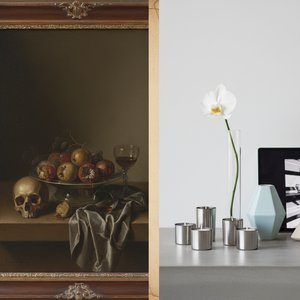
The Enduring Appeal of Still Life: A Historical & Contemporary Exploration
Explore the rich history & symbolism of still life painting with ArtsDot. Discover masterpieces from the Dutch Golden Age, learn about vanitas art, and find expert guidance for collecting timeless artworks.

The Bountiful Still Life: Symbolism & Artistic Representation of Fruit Across Art History
Explore the rich history of still life painting & the symbolism of fruit across art movements. Discover masterpieces from Caravaggio to Cézanne with ArtsDot – expert guidance & museum-quality reproductions.


