A Tapestry of Time: The Soul of Aragon
To enter the Zaragoza Museum is to step beyond the threshold of the modern world and into a resonant echo of Aragon's very soul. It is far more than a mere repository for artifacts; it is a place where millennia unfold before your eyes, revealing a history etched in stone, painted onto canvas, and woven into the fabric of Spanish identity. The museum offers an unparalleled chronological exploration of the region’s artistic evolution, beginning with the earliest whispers of human presence in the Ebro Valley. As one wanders through the galleries, the journey moves from the primal simplicity of Paleolithic flint tools—tangible links to our earliest ancestors—to the sophisticated world of Iberian cultures, where ceramics reveal a complex worldview expressed through intricate designs and masterful craftsmanship. For the art lover, this progression is not merely a lesson in archaeology but a profound narrative of human resilience and creativity.
The museum’s architecture serves as a grand, majestic stage for this immersive experience. Designed with an ambition that mirrors the beauty it houses, the building was constructed in the Neo-Renaissance style by architects Ricardo Magdalena and Julio Bravo for the Spanish-French Exhibition of 1908. Stepping inside feels akin to entering another era, where ornate detailing and spacious, light-filled galleries create an atmosphere conducive to both intellectual curiosity and deep emotional connection. For interior designers and lovers of classical elegance, the structure itself provides a masterclass in grandeur, offering a sense of permanence and splendor that elevates every object it contains.
The Goya Legacy and the Mastery of Light
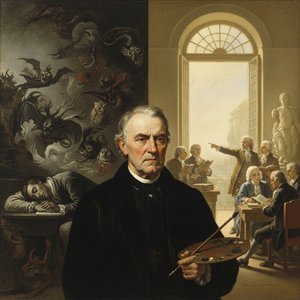
Perhaps the most celebrated and emotionally arresting aspect of the Zaragoza Museum’s collection is its intimate portrait of Francisco de Goya at the height of his powers. Here, collectors and connoisseurs encounter not just a selection of paintings, but a profound exploration of an artist whose work reflects both the opulence and the deep-seated anxieties of his era. The museum boasts a significant number of Goya's canvases, allowing visitors to trace the evolution of his unique style and the shifting themes that preoccupied him throughout his career. There is a palpable tension in these halls, as one witnesses the artist’s transition from decorative brilliance toward critical, unflinching explorations of social injustice.
However, it is the monumental frescoes, originally commissioned during his tenure as court painter, that truly captivate the spirit and command the room. These works, which once adorned the walls of palaces, transport viewers back to the era of Ferdinand VII, offering expressions of genius imbued with breathtaking realism and a haunting psychological depth. To stand before these masterpieces is to engage in a silent dialogue with Goya himself, feeling the weight of his gaze and the dramatic interplay of light and shadow that defines his legendary technique. These works are not merely decorations; they are windows into the human psyche, making the museum a pilgrimage site for those who seek art that moves the soul.
A Living Cultural Landscape
The brilliance of the Zaragoza Museum lies in its refusal to view art in isolation, instead presenting it as part of a broader, living cultural landscape. This commitment to context is realized through a network of satellite sites that enrich the historical narrative of the region. At Casa Pirenaica, visitors find a poignant glimpse into the traditions of the Pyrenees, where 19th-century rural life is reconstructed through ethnographic displays and architectural detail. Meanwhile, the ruins of Colonia Celsa unveil the vestiges of an ancient Roman city, bringing to life the grandeur of imperial influence through remarkable mosaics and sculptures that speak of a lost, magnificent world.
This interconnectedness ensures that every visit offers something new, whether through interactive workshops or dynamic temporary exhibitions that spark contemporary dialogue. For the collector or the historian, the museum represents a continuous thread of human achievement, connecting the ancient past to the present day. It remains a living institution, constantly inspiring the next generation of thinkers, designers, and lovers of history, ensuring that the echoes of Aragon will continue to resonate for centuries to come.