


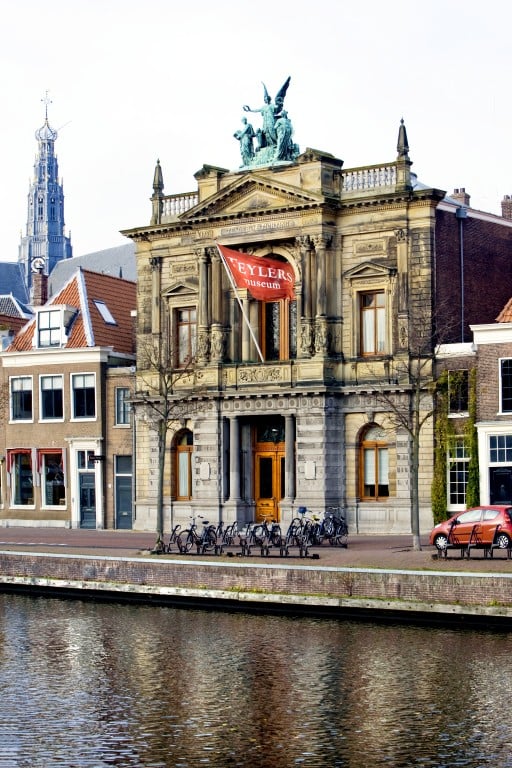
A Beacon of Enlightenment: Exploring Teylers Museum
Nestled in the historic city of Haarlem, Netherlands, Teylers Museum stands as a remarkable testament to the intellectual fervor and artistic ambition of the Enlightenment era. Founded in 1778 by the visionary cloth merchant and banker Pieter Teyler van der Hulst, this institution was not merely conceived as a repository of artifacts but as a living embodiment of the core belief that knowledge could flourish independently from dogma, fostering creativity and critical thought. Teylers wasn’t simply about *collecting* beauty; it was about cultivating an environment where curiosity thrived, observation reigned supreme, and the pursuit of understanding transcended traditional boundaries.
The Oval Room: A Harmonious Blend of Art and Science
At the heart of Teylers Museum lies its iconic Oval Room—a breathtaking architectural achievement completed in 1784. Designed by Leendert Viervant, this space embodies the grandeur and elegance characteristic of neoclassical style, reflecting the aspirations of its founders. The room’s elliptical shape was deliberately chosen to maximize natural light, creating an ideal environment for scholarly pursuits and fostering a sense of openness and contemplation. Intricate stucco decorations adorn the walls, depicting scenes from classical mythology—a deliberate nod to the humanist values that underpinned the museum's mission. Here, within these softly lit spaces, one encounters meticulously preserved mineralogical collections alongside instruments crafted by luminaries like Martin van Marum, who championed experimental science during his time. Van Marum’s contributions were pivotal in establishing Haarlem as a center for scientific innovation, and his instruments remain stunning examples of craftsmanship and precision—objects that speak not only to the ingenuity of their creator but also to the spirit of inquiry that defined an era.
A Collection That Speaks Volumes
The museum’s holdings encompass a remarkable array of treasures spanning centuries. From exquisitely rendered historical drawings capturing stylistic nuances to rare fossils unearthed from prehistoric landscapes and meticulously crafted scientific instruments, Teylers presents a holistic view of human endeavor. Notably, the museum boasts one of the earliest examples of an electrostatic generator created in Amsterdam by John Cuthbertson—a device that exemplifies the willingness to challenge established theories and pursue new understandings of the natural world. Beyond this pioneering invention, the collection includes portraits by Rembrandt and Rubens, showcasing artistic mastery alongside humanist ideals—a reflection of Haarlem's prominent role in European art history. The curators have painstakingly documented each item, providing invaluable insights into the intellectual context of its creation, allowing visitors to trace the evolution of thought and aesthetic sensibility through time.
Expanding Horizons: Architecture Reflecting Progress
Throughout the 19th century, Teylers Museum underwent significant expansion—a process guided by the same spirit of innovation that birthed its original conception. The addition of a gallery for fossils in 1888 and two painting galleries in 1892 underscored the museum’s commitment to furthering knowledge across disciplines. These additions weren't merely decorative enhancements; they signaled a growing appreciation for geological science and artistic expression—a testament to Haarlem’s evolving cultural landscape. Furthermore, the construction of a new auditorium in 1896 provided a venue for public lectures and performances—a crucial element in disseminating scientific discoveries and fostering cultural engagement. Today, this auditorium continues to host regular concerts and theatrical productions, ensuring that Teylers Museum remains relevant to contemporary audiences while honoring its historic roots.
More Than Just Artifacts: A Living Legacy
Teylers Museum transcends the role of a mere museum; it is a vibrant reminder of the transformative power of intellectual curiosity and the pursuit of beauty. Its unique blend of art, natural history, and scientific instruments offers an unparalleled opportunity to immerse oneself in the spirit of the Enlightenment, prompting reflection on its enduring relevance to our own time. The museum’s educational programs engage visitors of all ages, fostering a love for learning and encouraging dialogue about artistic interpretation and scientific inquiry. Visiting Teylers Museum isn’t simply observing relics of the past; it's embarking on a journey through the intellectual heritage of Europe—a pilgrimage into the heart of artistic innovation and scientific enlightenment.



