


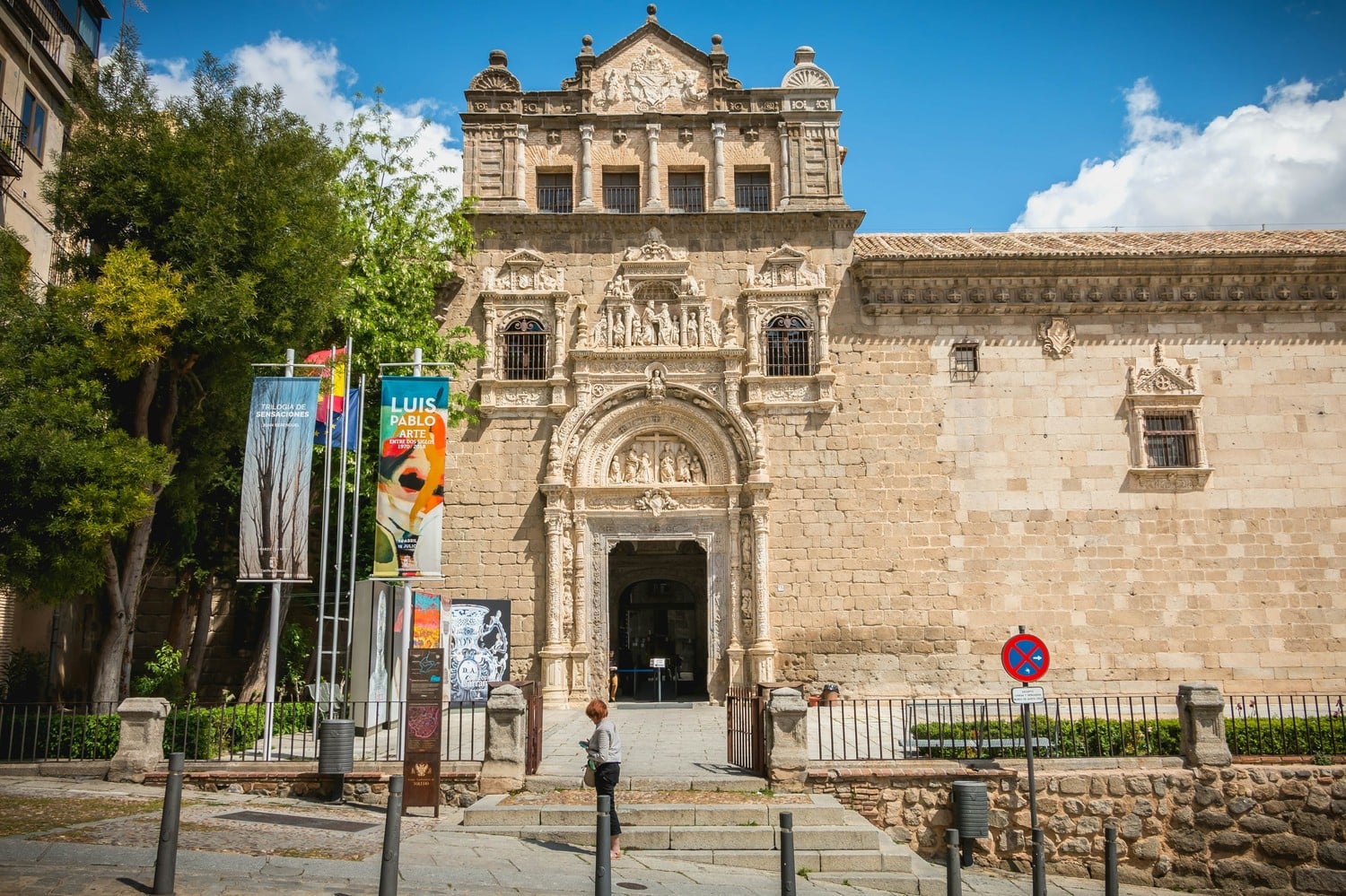
A Crossroads of Faith and Brushstrokes: The Enduring Legacy of Santo Tomé
Santo Tomé Church in Toledo, Spain, is more than a repository of artistic treasures; it’s a living palimpsest etched with the stories of centuries. Founded in 1085 following Alfonso VI's reconquest, its very stones whisper tales of transformation – from mosque to Christian sanctuary, and ultimately, to a beacon enshrining one of Spain’s most celebrated masterpieces: El Greco’s “The Burial of the Count of Orgaz.” To step within its walls is to traverse time itself, encountering the echoes of Moorish artistry seamlessly interwoven with fervent Christian devotion. The church isn't simply *in* Toledo; it embodies the spirit of the city—a place where cultures collided and coalesced, giving rise to a uniquely expressive artistic identity.
Mudéjar Majesty and El Greco’s Visionary Canvas
The architectural grandeur of Santo Tomé immediately captivates. Dominating the skyline is its soaring Mudéjar tower, a testament to 14th-century craftsmanship under the patronage of Gonzalo Ruiz de Toledo. Constructed with intricate brickwork adorned with delicate poly-lobed arches, the tower isn’t merely decorative; it's a powerful visual statement—a deliberate fusion of Islamic and Christian styles that speaks volumes about Toledo’s position as a historical nexus. This harmonious blend is not accidental but rather a reflection of the city’s multicultural past, where artistic traditions were exchanged and reinterpreted. Within this remarkable structure resides El Greco’s “The Burial of the Count of Orgaz” (1586), a monumental canvas that transcends the boundaries of painting. The work isn't just a depiction of a funeral; it’s a profound theological exploration rendered with El Greco’s signature elongated figures, vibrant colors, and masterful manipulation of light and shadow. The composition is divided into earthly and celestial realms, powerfully allegorizing the human condition—a testament to faith, mortality, and divine grace. The painting's inclusion of prominent citizens of Toledo at the time adds a layer of historical intrigue, making it not only an artistic triumph but also a social document.
Beyond “The Burial”: A Tapestry of Toledan Art
While “The Burial of the Count of Orgaz” rightfully commands attention, Santo Tomé’s significance extends far beyond this iconic centerpiece. The church houses a rich collection of sculptures crafted during the Renaissance and Baroque periods, reflecting Toledo’s evolving aesthetic sensibilities. These works offer a compelling glimpse into the artistic currents that shaped the city over time. The museum actively engages with the community through educational programs and exhibitions designed to illuminate the historical context surrounding these treasures. This commitment fosters a deeper appreciation for art history and Toledan craftsmanship, ensuring that the stories behind the artworks are not lost. Meticulous restoration work is ongoing, safeguarding the beauty of both the architecture and artwork for generations to come.
Inspiration for Collectors and Designers: Echoes of Timeless Genius
For collectors seeking inspiration, Santo Tomé offers an unparalleled opportunity to study El Greco’s techniques firsthand—a masterclass in *chiaroscuro* and expressive composition. The subtle nuances of his brushwork, the dramatic use of color, and the emotional intensity of his figures provide invaluable insights for those dedicated to understanding this unique artistic vision. Interior designers can draw upon the church’s architectural elements – the harmonious blend of styles, the interplay of textures, and the serene atmosphere—to create spaces that evoke timeless elegance and spiritual contemplation. The Mudéjar influence, with its intricate patterns and warm tones, lends itself beautifully to creating environments that are both sophisticated and inviting. Santo Tomé serves as a potent reminder that art transcends time, continuing to inspire creativity and wonder in all who encounter it.
A Living Legacy: Preservation and Cultural Identity
Established as a formal museum in 1972, Santo Tomé’s ongoing maintenance underscores its importance as a cultural hub—a place where history breathes alongside artistic brilliance. The curatorial approach emphasizes storytelling, presenting the art within its historical context and illuminating the lives of those who created it. By fostering dialogue between past and present, the museum ensures that Toledo’s artistic legacy endures for generations to come. Visiting Santo Tomé is not merely an aesthetic experience; it's a journey into the heart of Spanish history and culture—a testament to the enduring power of art to inspire, provoke, and connect us across time.


