A Symphony of Light and Geometry: The Basilica di San Francesco
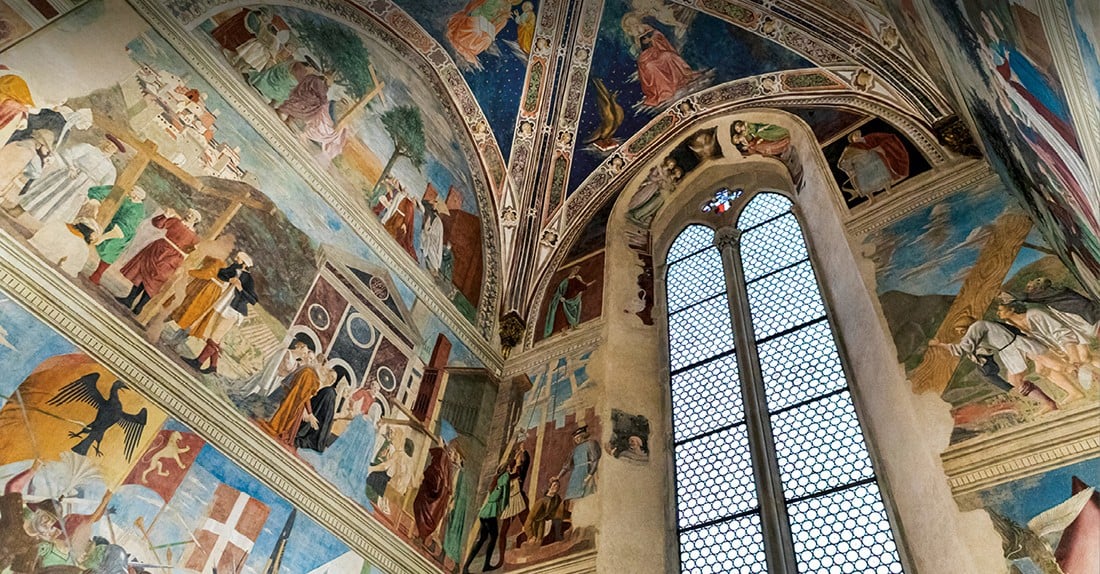
Stepping into the Basilica di San Francesco in Arezzo is akin to entering a sacred narrative, where the graceful lines of Gothic architecture embrace the burgeoning spirit of the Renaissance. Founded in the 13th century by Franciscan friars, this magnificent structure has evolved from a humble house of worship into a breathtaking repository of artistic achievement. The very stones of the basilica seem to whisper tales of faith, patronage, and the revolutionary shift in perspective that defined the 15th century. While its Gothic foundations—characterized by soaring vaults, pointed arches, and a delicate rose window filtering Tuscan sunlight—establish an atmosphere of reverent grandeur, it is the presence of Piero della Francesca’s frescoes that truly elevates San Francesco into a destination for pilgrims of art and beauty.
The architecture provides a dramatic, vertical backdrop for the revolutionary Renaissance sensibilities found within. The soaring nave directs the eye upward toward spiritual aspiration, yet this inherent grandeur is subtly transformed by the balance and harmony found within the artwork. The frescoes seem to breathe within the Gothic framework, reflecting the evolving cultural landscape of 15th-century Italy, where medieval traditions were gradually giving way to humanist ideals.
The Legend of the True Cross
At the heart of this spiritual sanctuary lies The Legend of the True Cross , a fresco cycle considered one of the most important works of the Early Renaissance. This is not merely a series of paintings but a carefully constructed visual story unfolding across the walls of the Bastingi Chapel and beyond. Piero della Francesca does not simply depict historical events; he interprets them through an innovative use of light, perspective, and human emotion. The cycle recounts the history of the wood believed to have been used in Christ’s crucifixion, weaving together Old and New Testament narratives with profound theological depth.
In masterpieces such as The Battle between Heraclius and Chosroes , one observes a radical departure from medieval conventions. Piero's figures possess a newfound solidity and dignity, bathed in a clear, ethereal light that imbues them with an almost otherworldly presence, while his mastery of geometric precision creates a sense of spatial depth that draws the viewer into the very heart of each scene. The artist’s fascination with precisio allows him to integrate mathematics and geometry into a visual language that reflects the underlying order of the cosmos.
Other notable scenes within this cycle include:
- The Meeting between the Queen of Sheba and King Solomon: A moment of solemn diplomacy and mutual respect, where the figures are rendered with profound gravitas.
- The Procession of the Queen of Sheba: An immersive exploration of biblical narrative that embodies the intellectual curiosity of the era.
- Detailed depictions of historical conflict: Where the use of a muted palette of ochres, siennas, and umbers creates an atmosphere of solemnity and strength.
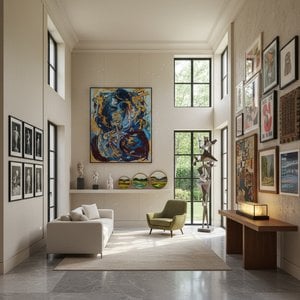
For the art lover or the interior designer seeking inspiration, San Francesco offers a masterclass in how light, color, and structure can coalesce to create an atmosphere of serene contemplation and timeless elegance. Beyond its walls, the legacy of the basilica is deeply intertwined with the soul of Arezzo itself, serving as a beacon of Renaissance brilliance that continues to illuminate our understanding of art and humanity.