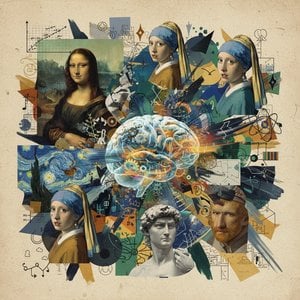
A Tapestry of Worlds: Exploring the Reading Public Museum
Nestled in the heart of Reading, Pennsylvania, the Reading Public Museum is more than just a repository of artifacts; it’s a vibrant portal connecting us to centuries of human creativity and cultural exchange. Founded on the legacy of Dr. Levi W. Mengel's passion for experiential learning, this dynamic institution has blossomed into a remarkable destination, seamlessly blending art, science, and civilization under one roof – and extending outwards through its stunning arboretum.
The museum’s story begins in 1904 with the acquisition of exhibits from the Saint Louis World's Fair, an event that immediately established a global perspective within its collections. From these humble beginnings, the Reading Public Museum has grown into a treasure trove boasting over 280,000 objects, meticulously curated to tell a rich and multifaceted story. The building itself, completed in 1928 in a magnificent Beaux-Art style, is a testament to the era’s architectural grandeur – a soaring space designed to inspire awe and facilitate exploration. Adding to this visual splendor is the adjacent 25-acre arboretum, meticulously planned by the renowned landscape architect John Nolen, offering a tranquil escape and a living connection to nature that complements the museum's diverse holdings.
A Collector’s Kaleidoscope: Highlights of the Museum’s Diverse Collections
The Reading Public Museum’s strength lies in its remarkably comprehensive collection, a testament to its founders’ vision. At its core is an impressive American art collection, numbering over seven hundred oil paintings by both established masters and emerging talents. Within this collection reside works by luminaries such as Benjamin West, Raphaelle Peale, Gilbert Stuart, Thomas Sully, and the evocative landscapes of Frederic Church and Susan Macdowell Eakins. More recently, the museum has embraced modernism, showcasing pieces by Milton Avery, Alexander Calder, Helen Frankenthaler, and Louise Nevelson – artists who redefined artistic expression in the 20th century.
Beyond American art, the museum’s holdings are equally captivating. European paintings by Edgar Degas, Charles Francois Daubigny, Albert Lebourg, and Marià Fortuny offer glimpses into continental artistic traditions. Sculptures range from the monumental works of Auguste Rodin to the delicate forms of Henry Moore and George Segal, providing a tangible connection to three-dimensional artistry. The museum’s collection of ancient artifacts is equally compelling, featuring a remarkably preserved Neferina mummy from Ptolemaic Egypt, alongside an impressive array of Greek vases – including the celebrated Herakles Vase attributed to the Alkmene Painter – and Roman marble sculptures. Furthermore, the Arms and Armor gallery showcases exceptional European weaponry and attire from the 16th and 17th centuries, culminating in a magnificent Maximilian suit of armor.
Beyond the Walls: Community Engagement and Special Events
The Reading Public Museum is deeply rooted within the local community. It’s not merely a place to view art; it's a dynamic hub for cultural exchange and lifelong learning. The museum actively hosts a diverse range of events, including the annual American Indian Festival, which celebrates the rich traditions and artistry of Native American cultures. The Berks Art Alliance exhibitions showcase the work of local artists, fostering creativity within the region. Furthermore, the Neag Planetarium offers captivating journeys through the cosmos, while jazz performances regularly fill the museum’s halls, creating a vibrant atmosphere for all ages.
A Unique Blend: Science, Civilization, and Sensory Discovery
What truly distinguishes the Reading Public Museum is its holistic approach to cultural exploration. Unlike many museums that specialize in a single discipline, RPM seamlessly integrates art, science, and civilization, offering visitors a profoundly enriching experience. The combination of diverse collections, the serene beauty of the arboretum, and the immersive environment of the planetarium creates an unparalleled setting for discovery. Dr. Levi W. Mengel’s original vision—to foster sensory education through direct engagement with artifacts—remains at the heart of the museum's mission, ensuring that every visit is a journey of wonder and intellectual stimulation.