The Gothic Heart of Antwerp: A Symphony in Stone and Spirit
To step beneath the soaring vaults of the Onze-Lieve Vrouwekathedraal is to leave the bustling modernity of Antwerp behind and enter a realm where time itself seems to slow under the weight of centuries. This magnificent monument, the quintessential embodiment of Brabantine Gothic architecture, does not merely occupy space; it commands the skyline with its iconic spire, a sentinel that has watched over the Scheldt estuary for generations. The cathedral is far more than a religious edifice; it is a profound repository of European art history, where every ribbed vault and flying buttress serves as a testament to Flemish ingenuity and an enduring spiritual devotion that has shaped the very identity of this great trading hub.
The interior of the cathedral unfolds like a grand, silent narrative, inviting the observer into a wonderful world of dramatic light and shadow. The architectural design prioritizes a breathtaking verticality, utilizing innovative structural techniques to create an ethereal atmosphere that draws the eye upward toward the heavens. As one wanders through the nave, which reaches heights exceeding 40 meters, the interplay between the delicate sculptures adorning the façade and the luminous stained glass windows creates a sensory experience that is both intellectually stimulating and spiritually profound.
A Masterpiece of Flemish Baroque and Renaissance Art
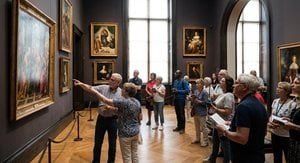
Within this sacred space, the legacy of Peter Paul Rubens breathes with a palpable intensity. His monumental altarpiece, Raising of the Cross , dominates the High Altar, acting as the cathedral’s crown jewel. Through this masterpiece, one witnesses the pinnacle of Baroque theatricality; Rubens employs a masterful blend of muscular realism and emotional fervor, capturing the raw, human agony of the biblical narrative with such breathtaking power that it remains an unparalleled experience for any art lover.
Beyond the monumental works of Rubens, the cathedral serves as a treasure trove for admirers of the Flemish Masters. The walls are adorned with intricate layers of history, including:
- Maarten de Vos’ Allegory of the Seven Liberal Arts , a work that invites deep contemplation through its complex visual symbolism and meticulous Renaissance detail.
- The exquisite sculptural decorations of saints and biblical figures that adorn the north tower, reflecting the profound piety and artistic sophistication of Antwerp’s golden age.
- A collection of Early Netherlandish art that pairs seamlessly with the cathedral's architectural grandeur.
A Living Monument of Heritage and Devotion
What truly distinguishes the Onze-Lieve Vrouwekathedraal from its European counterparts is its remarkable preservation of history and its role as a living monument. As a UNESCO World Heritage site, it stands as part of a unique ensemble of Belgian and French bell towers, representing a shared medieval civic pride. The cathedral continues to evolve through scholarly research and rotating exhibitions that bridge the gap between the past and the present, exploring everything from the impact of the Reformation to the intricate secrets hidden within its ancient masonry.
For the interior designer or the lover of fine art, the cathedral offers an endless well of inspiration, a place where the enduring strength of stone meets the delicate beauty of human creativity. It remains a site of pilgrimage for collectors and historians alike, standing as a colossal achievement of structural ambition where the north tower, reaching an imposing height of 123 meters, serves as a permanent sentinel over the city.