A Dialogue of Forms: Exploring Berlin’s National Gallery
Nestled within the heart of Museum Island, a UNESCO World Heritage site, Berlin's National Gallery stands as more than just a repository of art; it’s a testament to shifting perspectives and the enduring power of artistic expression. Divided into three distinct buildings – the Alte Nationalgalerie, the Neue Nationalgalerie, and the Berggruen Museum – the complex offers a remarkably diverse journey through European art history, from the Romantic era to the mid-20th century. Each space embodies a unique architectural philosophy and curatorial vision, creating an experience that is both intellectually stimulating and profoundly moving.
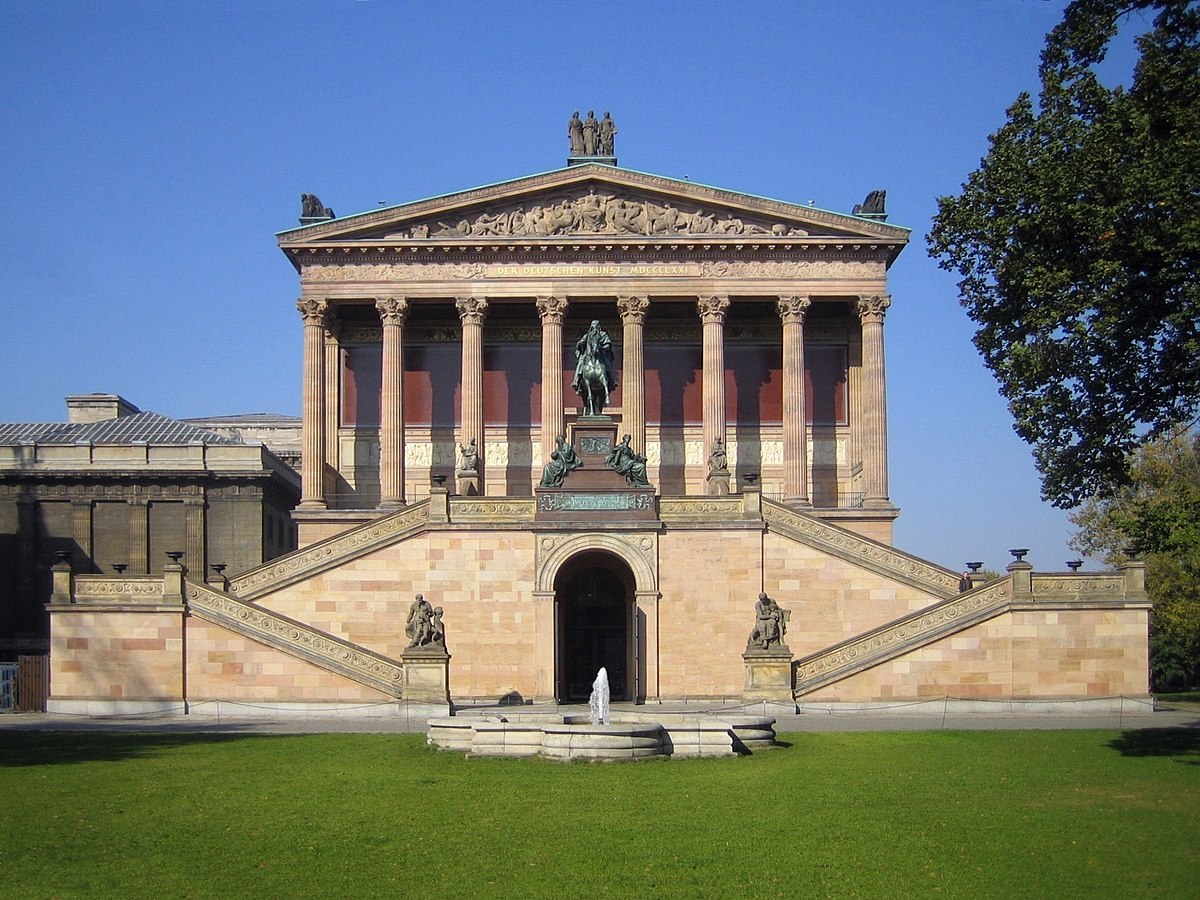
The Alte Nationalgalerie, a magnificent Neoclassical structure completed in 1876, immediately establishes a sense of grandeur and historical weight. Originally conceived as a celebration of Prussian artistic identity during the Romantic period, it now houses a breathtaking collection of paintings and sculptures by masters like Caspar David Friedrich and Adolf Menzel. Friedrich’s “Monk by the Sea,” with its haunting depiction of solitude and contemplation against the vastness of nature, remains a centerpiece, inviting viewers to grapple with profound existential questions. Menzel's meticulous portraits offer a fascinating glimpse into the social customs and political landscape of 19th-century Prussia, showcasing his remarkable ability to capture both the outward appearance and inner character of his subjects. The building itself—a carefully orchestrated blend of classical proportions and innovative engineering—is a work of art in its own right, reflecting the ambition and aesthetic sensibilities of its creators.
The Minimalist Revolution: Neue Nationalgalerie
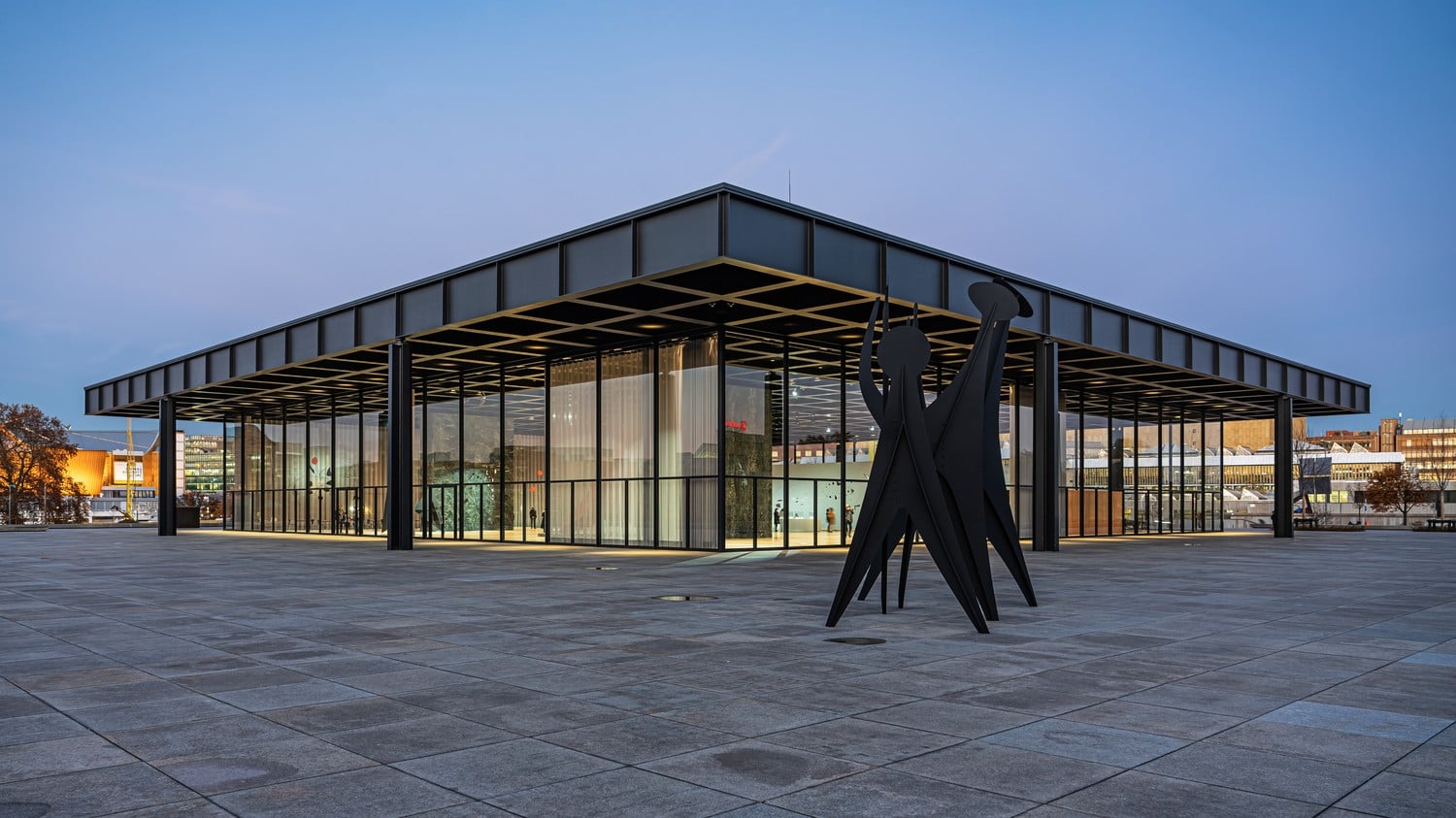
A stark contrast to the Alte Nationalgalerie’s ornate formality, the Neue Nationalgalerie, designed by Ludwig Mies van der Rohe, is a monument to minimalist elegance. Completed in 1968, this building represents a radical departure from traditional museum architecture, prioritizing clarity of form and an almost spiritual sense of space. The soaring steel roof plate, suspended above a vast, light-filled interior, creates an atmosphere of serene contemplation—a deliberate rejection of ornamentation in favor of pure geometric abstraction. Mies’ design isn't merely about aesthetics; it’s a philosophical statement about the relationship between architecture and human experience. The building houses a remarkable collection of 20th-century art, including works by Pablo Picasso, Ernst Ludwig Kirchner, and Gerhard Richter, demonstrating how artistic ideas could transcend national boundaries during this period of rapid social and cultural change. The sculpture garden, an integral part of the design, offers a tranquil respite from the urban environment, allowing visitors to engage with art in its broadest context.
A Collector’s Vision: Berggruen Museum
Located in Charlottenburg, the Berggruen Museum presents a more intimate and focused collection, largely dedicated to the works of Pablo Picasso and Franz Marc. Founded by Harold Berggruen, the museum's holdings span from Impressionism through Surrealism, offering a panoramic view of 20th-century art history. The serene setting within a historic villa creates an atmosphere conducive to quiet contemplation, allowing visitors to appreciate the nuances of each artwork. The museum’s emphasis on exploring artistic innovation across cultures is particularly noteworthy, reflecting Berggruen's commitment to fostering dialogue between diverse artistic traditions. The collection includes striking sculptures by Alexander Calder, further demonstrating the museum’s dedication to showcasing innovative and experimental art.
Berlin: A City of Layers
Beyond its individual museums, the National Gallery complex is inextricably linked to Berlin’s rich and turbulent history. The building's location on Museum Island—a site that has witnessed centuries of political upheaval, division, and reunification—adds another layer of significance to its artistic mission. The Hamburger Bahnhof, housed in a former railway station, exemplifies this connection, transforming an industrial space into a vibrant platform for contemporary art. And the Friedrichswerder Church, with its curated collection of sculptures by Rodin and Brancusi, stands as a poignant reminder of Berlin’s enduring legacy as a center for artistic innovation. Visiting the National Gallery is not simply about viewing art; it's about engaging with the city’s complex past and contemplating its future.
Useful Links:
Additional Research: