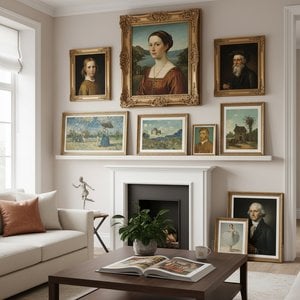
Frans Francken III (1581-1642): Flemish Baroque master of genre scenes, opulent gallery paintings & portraits. Known as 'Rubensian Francken' for his dynamic style and detailed compositions.
Discover Gerrit Willemsz Horst (1612-1652), a Dutch Golden Age painter known for poignant biblical scenes & genre paintings like 'Beggar Boys'. Explore his works!
David Cox (1783-1859) was a pivotal English landscape painter of the Birmingham School, renowned for his emotive watercolours & later oil paintings. A precursor to Impressionism, he captured British countryside with broad brushstrokes and atmospheric
James Henry Monk: A Visionary Landscape Painter Embraced by Bristol’s Artistic Legacy
Artist Overview:
James Henry Monk (1864 – 1930) stands as a pivotal figure in British landscape painting, particularly renowned for his evocative depictions of the Somerset countryside during the Edwardian era. His meticulous observation and masterful brushwork captured the subtle nuances of light and atmosphere, establishing him as an influential voice within the Aesthetic Movement and cementing Bristol’s position as a cradle of artistic innovation.
Bristol Context:
Monk's artistic journey coincided with Bristol’s burgeoning cultural landscape—a city undergoing rapid industrial expansion yet simultaneously nurturing intellectual pursuits and artistic experimentation. Situated on the Avon Estuary, Bristol benefited from maritime trade routes fostering connections to European artistic trends, notably Impressionism. This environment profoundly shaped Monk’s sensibilities and fueled his dedication to portraying the natural world with uncompromising realism blended with expressive color palettes.
Monk's Technique & Style:
Monk’s distinctive style characterized by loose brushstrokes and a focus on tonal gradations—a technique heavily influenced by Cézanne and Turner—allowed him to convey the grandeur of Bristol’s surrounding hillsides and valleys. He eschewed academic conventions, prioritizing direct observation and capturing fleeting moments of beauty rather than striving for idealized representations. His canvases pulsate with vibrancy, reflecting the changing seasons and conveying a palpable sense of tranquility.
Notable Works:
Among Monk's celebrated compositions are “The River Avon at Bath” (1903), showcasing the serene waters reflecting the city’s architectural splendor, and “Dartmoor Moorland” (1928), which exemplifies his ability to convey the rugged majesty of Dartmoor National Park. These paintings exemplify Monk’s commitment to portraying landscapes with honesty and sensitivity—a testament to Bristol's enduring connection to the natural world.
The Museum Collection & Its Significance:
The National Trust’s collection houses a significant selection of Monk’s canvases, offering visitors an unparalleled opportunity to immerse themselves in his artistic vision. These works serve as invaluable windows into the Aesthetic Movement and illuminate Bristol’s role as a hub for artistic creativity during the early 20th century. Furthermore, they underscore Monk's contribution to British landscape painting—a legacy that continues to inspire artists today.
Exploring Bristol Through Artistic Eyes
Bristol’s Architectural Heritage:
Bristol’s historic buildings – from Clifton Suspension Bridge to St Mary Red Church – provide a stunning backdrop for contemplating Monk's landscapes. Consider how his paintings capture the interplay between urban grandeur and rural serenity, reflecting Bristol’s multifaceted identity as a city steeped in maritime history and artistic tradition.
Connections to Impressionism:
Monk’s stylistic choices resonate with Impressionist principles—particularly the emphasis on capturing light and color—demonstrating Bristol's engagement with European artistic currents. Observe how Monk skillfully renders atmospheric effects, mirroring the techniques pioneered by Monet and Renoir, furthering Bristol’s reputation as a cosmopolitan center of culture.
The Influence of Turner:
Like Turner, Monk sought to evoke emotion through landscape painting—capturing sublime vistas and conveying profound feelings about nature's power. Consider how Monk’s compositions align with Turner’s Romantic aesthetic—a shared fascination for dramatic landscapes and an aspiration to convey spiritual experience—solidifying Bristol’s artistic heritage.
Beyond the Canvas: Monk’s Legacy in Bristol
Community Engagement & Artistic Inspiration:
Monk's dedication to portraying the Somerset countryside served as an inspiration for subsequent generations of artists residing in Bristol—a city renowned for fostering creativity and nurturing artistic talent. Reflect on how Monk’s work continues to resonate with contemporary sensibilities, highlighting Bristol’s enduring commitment to preserving cultural heritage and promoting artistic expression.
The Museum's Role in Preservation:
The National Trust diligently safeguards Monk’s paintings—ensuring their accessibility to scholars and enthusiasts alike—underscoring Bristol’s responsibility for safeguarding artistic treasures. Consider how the museum contributes to fostering appreciation for British landscape painting—a tradition rooted in Bristol’s rich cultural history.
Visiting the Collection
Location & Accessibility:
Located in Bristol, the National Trust’s Monk collection is easily accessible via public transport and offers a captivating experience for visitors of all ages. Explore the museum's exhibits—designed to illuminate Monk’s artistic process and contextualize his work within broader artistic movements—enhancing your understanding of Bristol’s cultural landscape.
Complementary Exhibitions:
Enhance your visit by exploring complementary exhibitions showcasing other artists active during Monk’s era—providing insights into the intellectual climate that shaped Bristol’s artistic milieu. Consider how these exhibitions enrich your appreciation for British art history and deepen your engagement with Bristol's vibrant cultural heritage.
A Celebration of Light & Landscape
Concluding Thoughts:
James Henry Monk’s paintings—preserved within the National Trust’s collection—represent a cornerstone of Bristol’s artistic legacy—a testament to the city's enduring fascination with capturing beauty and conveying emotion through landscape painting. Reflect on Monk’s contribution to British art history—and consider how his vision continues to inspire artists today, cementing Bristol’s reputation as a beacon of creativity and cultural heritage.
By the ArtsDot.com Editorial Team
Art Quiz
There is only one correct answer for each question.
Question 1:
What is the primary focus of the National Trust's mission?
Question 2:
The story begins in what prehistoric period?
Question 3:
Which architectural style is exemplified by Ashton Court Estate?
Question 4:
What significant historical event influenced Bristol's artistic legacy?
Question 5:
James Henry Monk captured the beauty of Bristol through what medium?
Explore 25 iconic artworks from Washington DC's National Gallery of Art! Discover masterpieces by Cézanne, Matisse & Picasso. Find museum-quality art reproductions and elevate your home decor with timeless paintings. Explore the full collection online at ArtsDot.com.
Explore the captivating world of Akseli Gallen-Kallela, Finland's iconic National Romantic painter. Discover his symbolic landscapes, Kalevala illustrations & lasting impact on Finnish identity. Expert analysis & high-quality reproductions at ArtsDot.
Journey through the National Gallery London's 25 most iconic paintings! Explore Van Gogh, Monet, Rembrandt & more. Discover art history, techniques & find museum-quality reproductions for your home decor on ArtsDot.com.