A Tapestry of Time and Culture: Exploring Museums Victoria
Museums Victoria stands as a profound testament to Australia’s intellectual heritage, serving not merely as a repository for artifacts but as a living, breathing institution dedicated to fostering understanding and illuminating the nation's rich artistic and scientific traditions. From its humble origins in 1854 as the Museum of Natural and Economic Geology, it has evolved into a multidisciplinary powerhouse that bridges the gap between the ancient past and our collective future. The institution’s ethos is deeply rooted in the spirit of collaboration, driven by an unwavering commitment to connecting people with knowledge through a lens that celebrates both the empirical rigor of science and the evocative power of art.
The architectural journey through Museums Victoria is as much a part of the experience as the collections themselves. The Melbourne Museum, a postmodern masterpiece designed by Denton Corker Emili, dominates the lush Carlton Gardens with its striking, blade-like structures and soaring canopies. This design deliberately mirrors the natural landscape, creating an organic, contemplative space where exploration feels like an unfolding discovery rather than a static observation. Beyond this iconic edifice, the institution extends its reach through the poignant halls of the Immigration Museum, which utilizes immersive storytelling to foster empathy for Australia’s multicultural history, and the historic Royal Exhibition Building. As a UNESCO World Heritage Site, the latter offers a sense of Victorian grandeur, its ornate halls whispering tales of nineteenth-century architectural ambition and technological progress.
Treasures of Biodiversity and Human Ingenuity
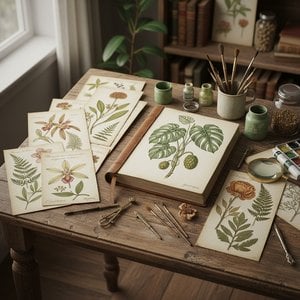
At the very heart of the museum lies an astonishing collection exceeding seventeen million specimens, offering a panoramic view of Earth’s biodiversity and human ingenuity. Visitors may find themselves standing in the silent presence of fossilized dinosaurs from prehistoric eras or moved by the exquisite beauty of Aboriginal artworks that narrively ancestral stories passed down through countless generations. This collection is a delicate balance of the monumental and the intimate; botanical expeditions meticulously document Australia's unique flora, while historical artifacts provide soulful glimpses into the daily lives of those who shaped Victoria’s past.
Crucially, the museum’s approach to these treasures is increasingly informed by Indigenous perspectives, ensuring that research and exhibition content drive meaningful reconciliation and a deeper respect for cultural sovereignty. For the discerning art lover or collector, the institution offers a unique intersection of history and impressionism through its connection to the broader Victorian cultural landscape. Notable highlights include:
- The Natural History Collection: A vast array of specimens ranging from prehistoric fossils to contemporary biological wonders.
- Aboriginal Artworks: Evocative pieces that narrate ancestral stories and celebrate living cultures.
- Historical Artifacts: Soulful glimpses into the daily lives and technological progress of Victoria's past.
- Scientific Monographs: A library collection holding some of Australia’s rarest examples of 18th and 19th century scientific literature.
What truly distinguishes Museums Victoria is its dedication to active engagement and the transformative power of visual storytelling. Through initiatives like Scienceworks and the cinematic vistas of IMAX Melbourne, the institution ignites curiosity across all ages. It remains a vital destination for anyone seeking to understand the enduring connection between humanity and the natural world, blending scientific discovery with profound historical preservation.