


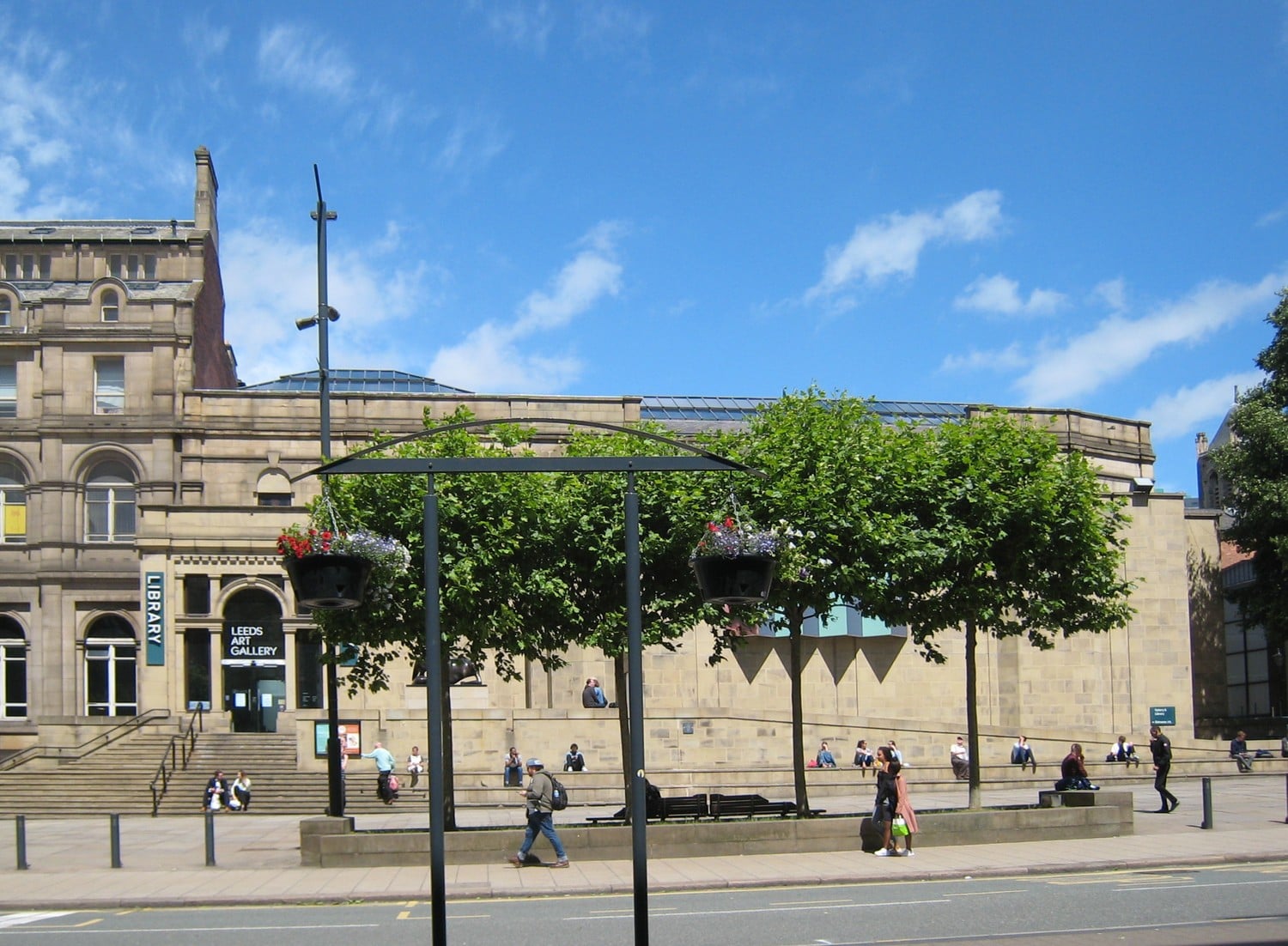
A Victorian Sanctuary of British Vision
Nestled in the vibrant heart of West Yorkshire, Leeds Art Gallery stands as a profound testament to artistic patronage and civic pride. Established in 1888 to commemorate Queen Victoria's Golden Jubilee, the gallery was born from a grand gesture of intellectual enrichment, reflecting an era's deep commitment to progress and aesthetic refinement. The building itself is a masterpiece of Beaux Arts architecture, designed by the visionary William Henry Thorp. Its commanding presence, characterized by striking limestone sourced from local magnesite quarries, makes it a Grade II listed landmark that serves as a tangible link to the nineteenth century. To step inside is to enter a sanctuary where history and art converge, offering a sense of permanence amidst the ever-changing tides of modern culture.
The gallery’s collection is a breathtaking tapestry woven through time, charting the magnificent evolution of British painting from the dramatic flourishes of the Baroque period to the light-drenched innovations of Impressionism. For the discerning collector or art lover, the halls offer an extraordinary breadth of mastery. While the collection celebrates established masters, it also finds profound expression in modern movements such as Cubism and Surrealism, showcasing works that dared to challenge conventional perceptions and push the boundaries of creative exploration. A particularly striking highlight is Clara Birnberg's Reclining Woman: Elbow , a monumental 1981 sculpture that exemplifies the powerful sculptural tradition of Yorkshire—a legacy rooted in both classical grace and rugged regional expression.
A Living Narrative of Craft and Community
Beyond the canvas and stone, Leeds Art Gallery serves as the beating heart of Yorkshire’s artistic identity, celebrating the often-overlooked beauty of local craftsmanship. The museum holds significant treasures in textiles and ceramics, mediums that reflect the intricate heritage of the region's artisans. This dedication to local roots is balanced by a forward-looking mission; the gallery actively fosters connections between historical legacies and emerging voices through regular exhibitions and collaborative projects. Recent initiatives involving Leeds University students have explored complex themes of identity and representation, ensuring that the museum remains a dynamic site for critical reflection and social dialogue.
For interior designers and enthusiasts of fine aesthetics, the gallery offers endless inspiration, from the grand architectural details of its Victorian halls to the intimate textures of its contemporary holdings. Even as it undergoes essential building works to preserve its structural grandeur, the institution remains a beacon of accessibility and inclusivity. With sensory-friendly spaces and a commitment to engaging all members of the community, Leeds Art Gallery is more than just a repository for masterpieces; it is a living, breathing narrative of creativity, innovation, and the enduring power of the human spirit.


