


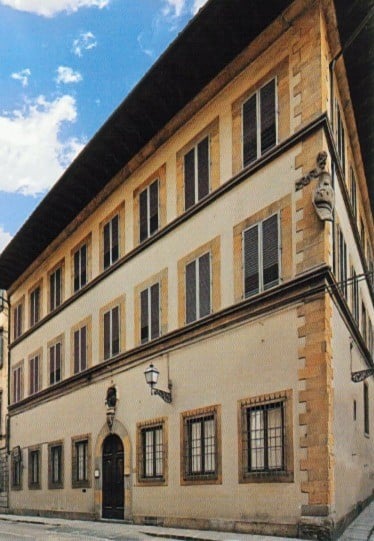
A Sanctuary of Family Legacy: Unveiling Casa Buonarroti
Nestled within the heart of Florence, a city already steeped in artistic grandeur, lies Casa Buonarroti – more than just a museum, it’s an intimate portal into the life and formative years of Michelangelo. Unlike the imposing public galleries that showcase his later, monumental masterpieces, this unassuming palazzo offers a profoundly personal encounter with the young artist, a glimpse into the world from which he sprang—a world of familial devotion, nascent talent, and the relentless pursuit of perfection. Stepping through its weathered wooden doors is akin to entering a family’s living room frozen in time, a testament to generations dedicated to honoring their most celebrated member.
The building itself, a cluster of structures acquired by Michelangelo in 1508, speaks volumes before the art even comes into view. Originally intended as a modest home for his growing family, it was transformed by his great-nephew, Michelangelo Buonarroti the Younger, into the magnificent palace we see today—a deliberate expression of familial pride and artistic ambition. The design is a masterful blend of Renaissance architectural principles, particularly the *piano nobile*, or principal floor, meticulously arranged to celebrate the artist’s lineage. Notice the subtle shifts in scale, the carefully considered light, and the echoing symmetry – each element contributing to a sense of ordered grandeur reflecting both Michelangelo's artistic vision and his family’s unwavering commitment.
Echoes of Youth: Sculptural Revelations
Casa Buonarroti’s collection is remarkably focused, deliberately curated to illuminate Michelangelo’s early development. The undisputed stars are undoubtedly the two sculptures that anchor the museum’s narrative: *Madonna of the Stairs* (circa 1491) and *Battle of the Centaurs* (circa 1492). These aren't polished pronouncements of mastery; they’re raw, exploratory studies—windows into the artist’s intellectual and artistic journey. The *Madonna of the Stairs*, with its exquisitely rendered drapery and remarkably tender depiction of the Virgin Mary, reveals Michelangelo’s early fascination with Donatello’s expressive realism and his burgeoning understanding of maternal love. The figures are imbued with a delicate vulnerability that foreshadows the emotional depth he would later bring to his religious works.
Conversely, the *Battle of the Centaurs* is a dynamic explosion of energy and anatomical precision—a relief teeming with muscular figures locked in ferocious combat. This work, executed during his apprenticeship under Verrocchio, demonstrates Michelangelo’s burgeoning skill in depicting human anatomy and his willingness to tackle complex compositions. It's a vital precursor to the monumental power and dramatic intensity that would define his later works like the Sistine Chapel ceiling, showcasing the artist’s relentless drive to master form and movement.
A Family’s Artistic Legacy & Beyond
Casa Buonarroti extends far beyond Michelangelo’s own creations. The collection is enriched by a remarkable assemblage amassed by successive generations of the Buonarroti family—a testament to their continued artistic patronage and discerning taste. Among these treasures is *Allegory of Inclination* by Artemisia Gentileschi, a striking Baroque painting commissioned to adorn the Galleria within the palace – a deliberate juxtaposition that highlights the family’s embrace of contemporary art and its willingness to engage with diverse artistic styles. The museum also houses an impressive library containing over ten thousand books, including Michelangelo's personal letters and family archives—offering invaluable insights into the artist’s life, thoughts, and times.
The collection isn’t simply a display of beautiful objects; it’s a carefully constructed narrative of Florentine society during this period. It reveals the intellectual currents and artistic trends that shaped the city's cultural landscape—from the influence of classical antiquity to the burgeoning Baroque aesthetic. The inclusion of archaeological finds, ceramics, and decorative arts further enriches the museum’s scope, providing a holistic understanding of the Buonarroti family’s world.
Intimacy & Resonance: A Unique Florentine Experience
What truly sets Casa Buonarroti apart is its profound sense of intimacy. This isn't a museum built *about* Michelangelo; it’s a museum built *by* his family, within buildings he once owned. The preservation of family archives adds another layer of depth, revealing not only the artistic genius but also the man behind the myth—his struggles, ambitions, and relationships. The very stones seem to whisper stories of ambition, creativity, and a lineage determined to honor its most celebrated member.
Casa Buonarroti offers a deeply personal connection to Michelangelo, allowing visitors to step into his world and experience his legacy on a uniquely human scale. It’s a sanctuary for art lovers, historians, and anyone seeking a deeper understanding of the Renaissance—a Florentine treasure that continues to resonate with its visitors long after they've left its walls.


