A Beacon of Chinese Art: Exploring the CAFA Art Museum
Nestled within the vibrant heart of Beijing, the CAFA Art Museum stands as a profound testament to China’s rich artistic heritage and its dynamic contemporary evolution. Affiliated with the prestigious Central Academy of Fine Arts (CAFA), an institution whose roots stretch back to 1918, this museum is far more than a mere repository of masterpieces; it is a living, breathing center for academic exploration, cultural preservation, and vibrant artistic exchange. To walk through its halls is to traverse centuries of creative expression, witnessing the subtle shifts in aesthetic sensibilities and the enduring power of human imagination. The museum’s very existence mirrors the journey of a nation—a story of resilience, innovation, and an unwavering commitment to artistic excellence that bridges the gap between ancient tradition and modern vision.
The architectural experience of the museum is itself a masterpiece of dialogue between tradition and modernity. Conceived by the renowned Japanese architect Arata Isozaki and completed in 2008, the building serves as a striking example of architectural ingenuity. The design seamlessly blends contemporary aesthetics with subtle nods to traditional Chinese principles, creating a space where clean lines and spacious galleries are bathed in ample natural light. This luminosity fosters an atmosphere of deep contemplation, allowing the viewer to connect intimately with the works on display. Clad in a sophisticated grey-patterned stone, the exterior harmonizes beautifully with the surrounding campus, while the interior structure is thoughtfully engineered to accommodate everything from delicate Ming dynasty scrolls to large-scale, immersive contemporary installations.
A Treasure Trove of Heritage and Innovation
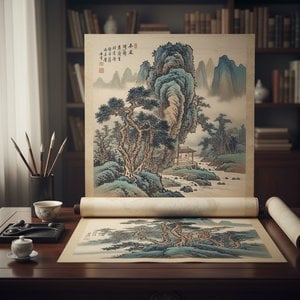
The true soul of the CAFA Art Museum lies in its extraordinary collection, a treasure trove that spans dynasties and artistic movements. Collectors and art lovers will find themselves captivated by the museum's celebrated assemblage of over 2,000 Chinese scroll paintings from the Ming Dynasty. These exquisite works offer an intimate glimpse into an era renowned for its refined brushwork, poetic landscapes, and profound philosophical themes. Yet, the museum does not dwell solely in the past; it also boasts a significant collection of 20th-century Chinese art, showcasing the dramatic evolution of expression during periods of immense social and political change. From intricate modern designs to evocative sculptures and architectural models, the diversity of the holdings highlights the multifaceted nature of Chinese creativity.
Beyond its permanent treasures, the CAFA Art Museum functions as a dynamic hub for artistic innovation through its rotating exhibitions. The museum regularly hosts temporary shows that feature both established masters and emerging talents, ensuring that the visitor experience is constantly evolving. These exhibitions often explore cutting-edge themes, pushing the boundaries of artistic expression and sparking critical dialogue within the global art community. By integrating rigorous academic research with accessible public outreach, the museum cultivates a deeper understanding of Chinese art for audiences of all ages. It remains a cornerstone of the cultural landscape, a place where the echoes of history inform the present and inspire the limitless possibilities of the future.