A Living Dialogue Between Eras
In the vibrant, pulsing heart of Tokyo, where the relentless energy of the twenty-first century meets a profound respect for heritage, stands the Artizon Museum. This is not merely a repository of beautiful objects, but a living dialogue between eras. Born from the visionary ambition of Ishibashi Shojiro in 1952, what was once known as the Bridgestone Museum of Art has undergone a breathtaking metamorphosis. The museum’s relocation in 2020 to the Nagasaka Kyobashi Building was far more than a change of physical coordinates; it was a deliberate architectural and spiritual affirmation of modernity. The building itself serves as a sleek, contemporary vessel, designed to offer an inspiring sanctuary where the echoes of artistic tradition converge with the forward momentum of a global metropolis.
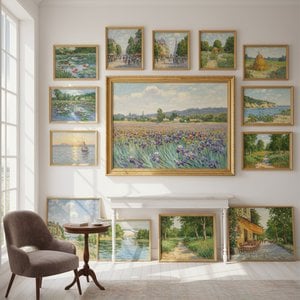
To step inside the Artizon is to enter a realm where light and color perform a timeless dance. The museum’s core strength lies in its magnificent holdings of Impressionist and Post-Impressionist masterpieces, a collection that captures the very moment Western art broke free from the constraints of tradition. One cannot help but feel a sense of profound tranquility when standing before the luminous canvases of Claude Monet , where sunlit water lilies drift across tranquil ponds, inviting the viewer into an immersive experience of pure observation. This emotional resonance deepens as one encounters the raw, vibrant intensity of Vincent van Gogh’s brushstrokes, which explode with a passion that remains as captivating today as it was in the nineteenth century. Alongside these titans, the museum traces the evolution of modernism through the works of Edgar Degas, Paul Cézanne, and Pablo Picasso , offering a narrative arc that celebrates the courage to innovate and the beauty of dismantling established forms.
A Synthesis of East and West
What truly distinguishes the Artizon Museum, however, is its masterful ability to bridge the divide between East and West. It is a rare and precious space where Western Impressionism and Japanese tradition are presented with equal reverence, fostering a unique cross-cultural understanding. This synthesis is perhaps most beautifully embodied in the works of Ishii Hakutei , a pivotal figure who masterfully blended the delicate techniques of Nihonga painting with emerging Western influences. His landscapes and portraits serve as a window into a period of intense cultural exchange, where meticulous Japanese detail meets a new, expressive fluidity. This global perspective is further enriched by an unexpected encounter with Ancient Greek ceramics, providing a historical counterpoint that reminds us of the enduring power of human creativity across millennia.
Beyond the gallery walls, the Artizon Museum functions as a vital hub for the preservation and study of our collective artistic soul. Through the Ishibashi Foundation Art Research Center in Machida, the museum engages in the meticulous science of conservation, ensuring that every pigment and fragile fiber is safeguarded for future generations. For the art lover, the collector, or the interior designer seeking inspiration, the museum offers more than just a viewing experience; it offers a journey through the evolution of human thought. It is a destination where the shimmering light of the past illuminates the creative horizons of the future, making it an essential pilgrimage for anyone moved by the transformative power of art.