Sigismund Quittner: Architect of Budapest’s Viennese Spirit
Sigismund Quittner (1859-1918) stands as a pivotal figure in the architectural landscape of late 19th and early 200th century Budapest, embodying the distinctive aesthetic sensibilities of the Vienna Secession. Born in Pest—the city’s historic core—Quittner's formative years were steeped in the intellectual ferment of Munich, where he pursued his architectural education, absorbing the avant-garde currents shaping European design at the time. Returning to Budapest in 1880, he established himself as a prolific architect, leaving an indelible mark on the city’s urban fabric and contributing significantly to its cultural identity.- Early Influences & Education: Quittner's academic training instilled in him a grounding in classical principles alongside exposure to the burgeoning modernist ideas circulating throughout Europe. This dual influence would prove crucial in shaping his artistic vision—a careful balance between tradition and innovation.
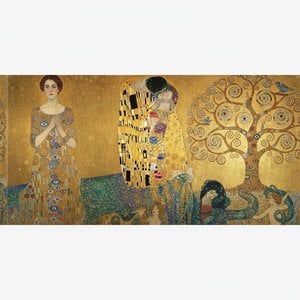
- A Viennese Echo in Budapest: The Vienna Secession, spearheaded by Gustav Klimt and Josef Hoffmann, exerted a profound impact on Hungarian architecture. Quittner skillfully adopted elements of this movement’s stylistic ethos – geometric abstraction, decorative ornamentation inspired by Byzantine mosaics, and a rejection of academic conventions—resulting in buildings that possessed an unmistakable Viennese character.
- Notable Buildings: Quittner’s architectural legacy is defined by a remarkable portfolio of structures that continue to captivate visitors today. Among his most celebrated achievements are Gresham Palace, conceived in collaboration with Josef Vágó, representing the pinnacle of Viennese Secession style; The Mető híd (Bridge of Sighs), a monumental pedestrian bridge embodying grandeur and elegance; and several residential complexes showcasing refined craftsmanship and innovative design.
- Technique & Style: Quittner’s buildings are characterized by meticulous attention to detail, utilizing high-quality materials—marble, granite, and terracotta—and incorporating intricate decorative motifs. His designs prioritized functionality alongside aesthetic appeal, reflecting the broader aspirations of the era for creating spaces that harmoniously blended beauty and practicality.
Legacy & Historical Significance
Sigismund Quittner’s contribution to Budapest's architectural heritage extends beyond mere construction; he championed a stylistic approach that elevated Hungarian design to international prominence. His buildings stand as enduring symbols of Vienna Secession’s influence and serve as tangible reminders of Budapest’s vibrant cultural past. Furthermore, Quittner’s advocacy for the institute of architects solidified Hungary’s position at the forefront of architectural education and scholarship—a legacy that continues to inspire generations of designers.Questions & Answers
In which historical period did Sigismund Quittner work?
Sigismund Quittner worked in the 19th-Century period. The period situates the artist's activity in history.
Is there an overview of all the subjects Sigismund Quittner painted?
The Subject Atlas of Sigismund Quittner is a page that maps the artist's artworks by their subjects.
What aliases or alternate names does Sigismund Quittner have?
Sigismund Quittner is also known as Zsigmond Quittner.
Can I study Sigismund Quittner's use of color across all works?
Sigismund Quittner's use of color across the works listed on this website can be studied on the artist's Palette Genome page.
Can I browse Sigismund Quittner's works by medium?
The All Medium page groups Sigismund Quittner's artworks by technique.
Can I sort Sigismund Quittner's artworks by color?
The Spectral Index page organizes Sigismund Quittner's artworks by color.
How many artworks by Sigismund Quittner are available to browse?
You can browse 2 artworks by Sigismund Quittner on the All Artworks page.
What are the birthplace and birth year of Sigismund Quittner?
Sigismund Quittner was born in Budapest in 1859.