


 Preview
 Send
Send Share
Share
 Details
 Guide
Guide

 Download
 Similars
 X-Ray
X-Ray Diaporama
 Stats
StatsMoosi River, Hyderabad
 Acrylic On Canvas
- WallArt
- Photography, 19th Century
 1888
1888- 19th Century
 19.0 x 26.0 cm
 J. Paul Getty Museum
 Read More
Hand Made Oil Reproduction
Hand-painted oil on canvas in your size and frame, made to order by our artists. ( Switch to Print Switch to Digital Image)




P118B $10

P118H $10

P118W $10

P438Z $10

P508JH $12

P508YH $12

P805H $10

P805Z $10

P919BZ $10

P919G $10

P919XJ $10

P959ZH $10

P968JZ $12

W106C $8

W218G $10

W218JH $8

W218Y $10

W307PJ $10

W316G $10

W316PJ $8

W316Y $10

W398PJ $8

W4111J $10

W500HY $15

W500JH $15

W692G $12

W849H $8

W940BG $15

W953PJ $8




Pick from our preset sizes that match the artwork's original proportions.

You may enter your own dimensions to fit a specific frame or space. If your selected size does not match the original image's proportions, we will either crop the artwork or extend the painting with additional hand-painted elements. A digital mockup will be sent for your approval before production begins.
Please note that the on-screen preview does not reflect the actual cropping or extension. Only the mockup will accurately show the final composition.
While custom sizes are available, we recommend selecting a dimension from the predefined list to preserve the original proportions.
After order, ArtsDot.com team will email client for instructions and provide a mockup preview
Worldwide Delivery () in 3/4 weeks instead of standard 5 weeks. (23 September). No compromise on quality.

Free Worldwide Express Shipping

High-Quality Linen Canvas

Full Shipping Insurance

Customs Tax Refund Guarantee

True Color Matching Guarantee

100-Day Return Policy (Defects Only)

100% Money-Back Guarantee

Bulk Discount Offer
 Glass option is only available in size under 110 CM

Moosi River, Hyderabad
Reproduction Medium
Reproduction Size
-


Total Price
$ 263
A Glimpse of Life on the Moosi: Raja Deen Dayal’s Masterpiece
Raja Deen Dayal's “Moosi River, Hyderabad,” painted in 1888, isn’t merely a depiction of a riverbank; it’s a vibrant snapshot of life in late 19th-century India. Created during the reign of Nizam Mahbub Ali Khan, this albumen silver print offers an intimate glimpse into the daily routines and social fabric of Hyderabad – a city poised between tradition and modernity. The scene unfolds with remarkable clarity, capturing a bustling riverbank alive with activity. Figures are engaged in various tasks: some navigate boats laden with goods, others gather along the shore, while children play near the water’s edge. The composition is carefully balanced, drawing the eye across the scene to highlight the interplay of human presence and the natural environment.
- Subject Matter: A lively riverbank scene in Hyderabad, showcasing everyday life and commerce.
- Artist: Raja Deen Dayal (1844-1905), a pioneering Indian photographer and court artist.
- Date: 1888 – a pivotal period of transformation for the Nizam’s state.
The Art of Raja Deen Dayal: Technique and Style
Raja Deen Dayal was renowned for his mastery of albumen printing, a photographic process that produced remarkably detailed and richly toned images. This particular print exemplifies his skill; the subtle gradations of light and shadow create a sense of depth and realism rarely achieved in earlier photographic techniques. The monochrome palette emphasizes the textures of the riverbank – the rough bark of trees, the smooth surface of the water, and the folds of the clothing worn by the figures. His compositions often incorporated elements of traditional Indian art, particularly Mughal miniature painting, evident in the careful arrangement of figures and the use of perspective. He skillfully blended Western photographic techniques with indigenous artistic sensibilities.
Key Techniques:- Albumen Silver Print: A process known for its detail and tonal range.
- Compositional Elements: Drawing inspiration from Mughal miniature painting.
- Careful Use of Light & Shadow: Creating a sense of depth and realism.
Symbolism and Context: Hyderabad in the Late 19th Century
“Moosi River, Hyderabad” is more than just a picturesque scene; it’s a window into a specific moment in time. The Moosi River played a vital role in the city's economy, serving as a crucial waterway for transporting goods and facilitating trade. The presence of boats laden with merchandise speaks to the thriving commercial activity of the era. The figures depicted represent a diverse cross-section of Hyderabad society – merchants, laborers, and everyday citizens. The Nizam’s court, known for its patronage of art and culture, provided a stable environment that fostered economic growth and artistic expression. The image subtly reflects the complex interplay between tradition and progress during this period.
Historical Significance:- Reflects the prosperity of Hyderabad under the Nizam’s rule.
- Illustrates the importance of the Moosi River to the city's economy.
- Provides a valuable insight into the daily lives of people in 19th-century Hyderabad.
An Echo of Elegance: The Emotional Impact and Legacy
Looking at “Moosi River, Hyderabad,” one is struck by its quiet dignity and understated beauty. There’s a sense of timelessness about the scene – it feels as if we've stepped back in time to witness a moment of everyday life unfolding on the banks of the Moosi. The image evokes feelings of nostalgia, curiosity, and appreciation for the rich cultural heritage of India. Raja Deen Dayal’s work continues to resonate today, offering a poignant reminder of a bygone era and the enduring power of visual storytelling. Reproductions of this remarkable piece capture not only its aesthetic beauty but also the spirit of a vibrant city at the cusp of change.
Related Artworks


Artist Biography
early life and training
raja deen dayal, also known as lala deen dayal, was an indian photographer born in sardhana, india in 1844. he died in 1905. trained as an engineer at thomason college of civil engineering at roorkee, dayal began his career in photography in the mid-1870s.career highlights
- established studios in indore, mumbai, and hyderabad, becoming the court photographer to the sixth nizam of hyderabad, mahbub ali khan, asif jah vi.
- appointed as the photographer to the viceroy of india in 1885.
- received the royal warrant from queen victoria in 1897.
notable works and collections
dayal's photographs are known for their capture of indian temples, palaces, and monuments, as well as portraits of indian rulers and british officials. some notable works include:- moosi river, hyderabad (j. paul getty museum, los angeles, united states), showcasing his skill in capturing the essence of indian landscapes.
- channel near the punchukki, aurangabad (j. paul getty museum, los angeles, united states), highlighting his ability to frame the beauty of indian architecture.
museums and collections featuring raja deen dayal's work
- j. paul getty museum (los angeles, united states)
- indira gandhi national centre for the arts (new delhi, india)
- peabody essex museum (united states)
- alkazi collection (delhi, india)
legacy and impact
raja deen dayal's contributions to indian photography are undeniable. his work not only captured the essence of india's architectural and cultural heritage but also paved the way for future generations of photographers. view more works by raja deen dayal on ArtsDot: https://ArtsDot.com/@/raja-deen-dayal explore indian art and photography on ArtsDot: /en/art/show/art-d3c8xr-en/
raja deen dayal
1844 - 1905 , India
Quick Facts
- Artistic Movement Or Style: Photography (Court)
- Artists Or Movements Influenced By This Artist: ['British Raj Art']
- Artists Who Influenced This Artist: ['Thomason College']
- Date Of Birth: 1844
- Date Of Death: 1905
- Full Name: Raja Deen Dayal / Lala Deen Dayal
- Nationality: Indian
- Notable Artworks:
- Moosi River
- Channel Aurangabad
- Objects Everyday Use
- Place Of Birth: Sardhana, India
Related Articles

Raja Ravi Varma: Bridging Tradition & Modernity in 19th-Century Indian Art
Explore the life & art of Raja Ravi Varma, a pioneer who fused European techniques with Indian iconography. Discover his iconic paintings, lasting legacy, and influence on modern Indian art at ArtsDot.

Flowing Narratives: Rivers in Painting – A Historical Exploration
Explore the rich history of rivers in painting! Discover masterpieces from ancient times to Impressionism & beyond. Learn about symbolism, artists like Monet & Daubigny, and find your perfect serene artwork at ArtsDot.
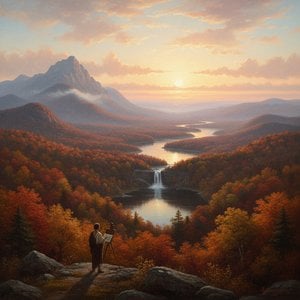
The Sublime Landscape: Exploring the Hudson River School Movement
Explore the captivating world of the Hudson River School! Discover the history, artists, and defining characteristics of this iconic American art movement. Learn about Romanticism's influence & find inspiration for your collection.

Hudson River School: 10 Masterpieces That Capture America's Wild Beauty | ArtsDot
Journey through America's breathtaking landscapes with our guide to the Top 10 Hudson River School masterpieces. Explore Thomas Cole, Frederic Church & more! Find museum-quality art reproductions and elevate your home decor at ArtsDot.com.

Flowing Narratives: River Scenes in Painting Through History
Explore the rich history of river scenes in painting! From Renaissance masters to Impressionist visions, discover renowned artists & movements. Find your perfect serene escape with ArtsDot.
