
 Preview
 Send
Send Share
Share
 Details
 Guide
Guide

 Download
 Similars
 X-Ray
X-Ray Diaporama
 Q&A
Q&A Stats
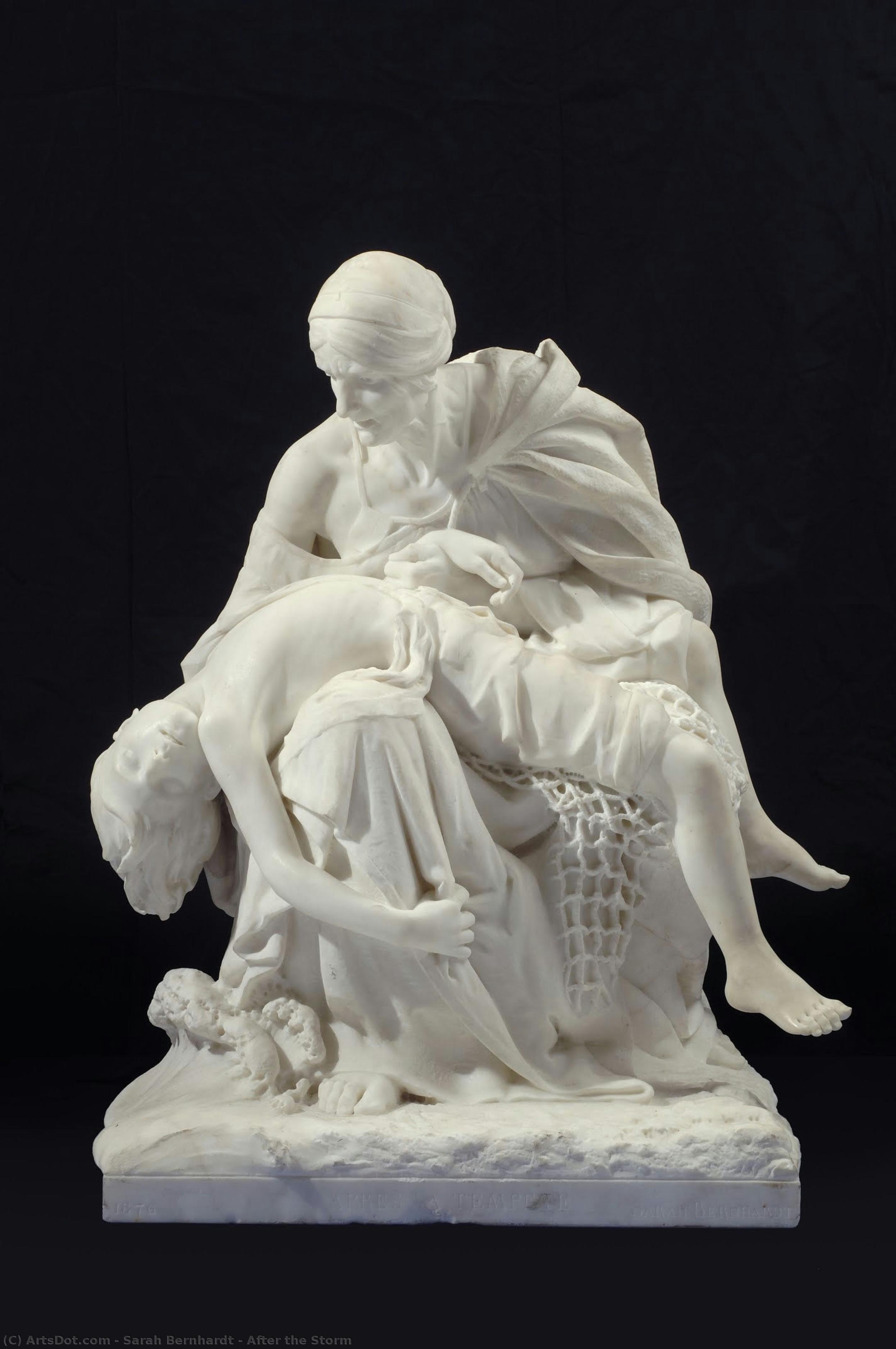
StatsAfter the Storm

 Read More
The artwork displayed on this page is protected by copyright law, which means we cannot legally create or sell an identical reproduction. This protection is enforced under international agreements such as the Berne Convention and by national laws, including those outlined by the U.S. Copyright Law - Title 17.
This method fully complies with copyright regulations because it does not involve copying or duplicating the protected artwork. Instead, it is a creative reinterpretation - a new painting that is influenced by the original but not identical to it.
Giclée / Art Print
Museum-quality giclée or canvas print with fast production and flexible finish options. ( Buy Hand Made Painting Switch to Digital Image)




































Pick from our preset sizes that match the artwork's original proportions.

Type the width and the height you need, to fit your frame or your wall. A print can only be cut, never made bigger than the picture, so a size with a different shape loses a part of the image. We send you a digital mockup to approve before we print anything. The picture shown on this page does not show the real cut — only the mockup does.
Worldwide Delivery () in 2 weeks instead of standard 4/5 weeks. (4 November)

Free Worldwide Express Shipping

High-Quality Linen Canvas

Full Shipping Insurance

Customs Tax Refund Guarantee

True Color Matching Guarantee

100-Day Return Policy (Defects Only)

100% Money-Back Guarantee

Bulk Discount Offer
 Glass option is only available in size under 110 CM

After the Storm
Giclée / Art Print
Reproduction Size
-


Total Price
$ 63
Questions & Answers
How does "After the Storm" balance light and dark?
"After the Storm" is deep_shadow overall, and its luminance is soft shadow.
How do contrast and harmony combine in "After the Storm"?
The color analysis of "After the Storm" by Sarah Bernhardt records a statement contrast and a discordant palette harmony.
Who is the artist behind "After the Storm"?
"After the Storm" was created by Sarah Bernhardt. The information on this page describes Sarah Bernhardt's original work.
Related Artworks


Artist Biography
The Divine Sarah: A Legend of Stage and Canvas
In the golden twilight of the nineteenth century, few figures commanded the collective imagination of the world quite like Sarah Bernhardt. Known to millions as “the Divine Sarah,” she was far more than a mere performer; she was a living icon, a force of nature who bridged the gap between the theatrical stage and the fine arts. Born Henriette-Rosine Bernard in Paris in 1844, her very essence seemed destined for the spotlight. Raised by a Dutch Jewish mother and a French attorney father, her early years were steeped in a passion for the aesthetic, leading her to study sculpture under masters like Emilio Franchesci. This foundational training in form and detail would later inform her legendary stage presence, allowing her to command space with a sculptural, almost monumental grace that captivated audiences from Paris to New York.
Bernhardt’s ascent to stardom was nothing short of meteoric. Debuting in Racine’s Iphigénie at the Théâtre Français in 1869, she immediately signaled the arrival of a transformative talent. Her ability to inhabit characters with profound emotional depth and dramatic intensity made her the definitive interpreter of the era's greatest works. Whether portraying the tragic vulnerability of La Dame aux Camélias or the commanding strength of Shakespeare’s Hamlet—a role that defied gender conventions of the time—she possessed what Victor Hugo famously described as a “golden voice.” Her performances were not merely acted; they were experienced, characterized by a unique blend of vocal prowess and a physical language that Edmond Rostand called “the queen of the pose and the princess of the gesture.”
A Muse for the Art Nouveau Era
Beyond the footlights, Bernhardt’s influence permeated the visual landscape of her time, making her a central figure in the development of the Art Nouveau movement. Her striking visage and larger-than-life persona became the ultimate canvas for the era's most celebrated illustrators. Most notably, her collaboration with Alphonse Mucha helped define the aesthetic of the period; his iconic posters, which utilized flowing organic lines and intricate ornamentation, were often centered around her image, helping to disseminate both her fame and the Art Nouveau style across the globe. She was a subject that invited much more than simple portraiture; she inspired works that sought to capture her very spirit.
The artistic community of Europe vied for the honor of capturing her likeness, resulting in a rich tapestry of diverse styles:
- Impressionistic Reverie: Artists like Dudley Hardy utilized textured brushstrokes and dreamlike atmospheres to portray her with a sense of melancholy and vulnerability.
- Photographic Precision: Pioneers such as Félix Nadar and Henry Walter Barnett used the burgeoning medium of photography to freeze moments of theatrical intensity, revealing the formidable strength beneath her stage persona.
- Classical Realism: Painters like Jules Bastien-Lepage sought to honor her through meticulous oil portraits that reflected their mutual admiration and the classical beauty she embodied.
A Lasting Legacy of Innovation
The historical significance of Sarah Bernhardt lies in her role as a pioneer who refused to be confined by the boundaries of her era. She was an early adopter of new technologies, utilizing sound recordings to extend her voice far beyond the theater walls, and she embraced the burgeoning film industry to reach even wider audiences. Her career was a testament to the power of self-invention; she moved seamlessly between male and female roles, challenged social norms regarding femininity, and transformed herself into a global brand long before the concept existed. When she passed away in 1923, she left behind more than just a repertoire of plays; she left an indelible mark on the history of performance, a blueprint for the modern celebrity, and a permanent place in the annals of art history as a symbol of eternal, divine creativity.

Quick Facts
- Artistic Movement Or Style: Art Nouveau
- Artists Or Movements Influenced By This Artist: ['Victorien Sardou']
- Artists Who Influenced This Artist:
- Victor Hugo
- Alphonse Mucha
- Date Of Birth: October 22, 1844
- Full Name: Henriette-Rosine Bernard
- Nationality: French
- Notable Artworks:
- La Dame aux Camélias
- Ruy Blas
- Fédora
- Place Of Birth: Paris, France


