


 Preview
 Send
Send Share
Share
 Details
 Guide
Guide

 Download
 Similars
 X-Ray
X-Ray Diaporama
 Stats
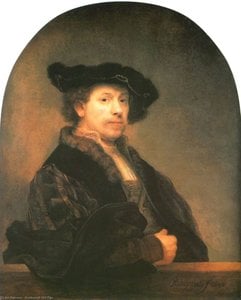
StatsSelf Portrait
 Read More
Purchase a high-resolution, enhanced digital image, far superior to the online preview.
Each file is meticulously prepared by our in-house specialists using advanced tools and expert manual retouching. We ensure every image has exceptional clarity, precise color accuracy, and fine detail.
The final file is delivered via email within 72 hours, optimized for immediate use in professional, editorial, and print environments. This is the same quality trusted by top-tier design studios, publishers, and galleries.
Digital Image
Download a high-resolution file for personal display, printing, and creative projects. ( Switch to Print Buy Hand Made Painting)
Included in Every Digital Image Order
Expert Digital Delivery, Guaranteed
When you choose ArtsDot.com, you're not just getting an image - you're receiving a professionally enhanced digital artwork, crafted with precision and backed by a satisfaction guarantee. Here's everything that comes with your order, automatically:

Fast Email Delivery
Your high-resolution digital image file will be emailed to you within 72 hours of ordering - ready for immediate use.

AI-Enhanced Digital File
Your artwork is professionally optimized using advanced AI tools and manual editing, ensuring maximum detail, clarity, and color accuracy.

Free Lifetime Re-Delivery
Accidentally deleted or lost your file? No worries - we'll resend it to you anytime, free of charge.

No Import Fees - Ever
Enjoy your artwork instantly with zero customs, duties, or delivery fees - digital downloads are always tax-free.

Color Accuracy Guarantee
We ensure your digital image reflects the original colors as closely as possible using professional tools and color management.

100-Day Satisfaction Guarantee
If you're not satisfied with your digital image, we'll revise it or refund 100% within 100 days - no questions asked.

100% Money-Back Guarantee
Not satisfied? Get a full refund within 100 days of receiving your digital file - no questions asked.

Bulk Order Discounts
Buy 3 images, save 10% - Buy 5, save 15% - Buy 10+, save 20%. Great for creative projects, galleries, and agencies.
Related Artworks


Artist Biography
Jean-Antoine Watteau: The Architect of Rococo Dreams
Jean-Antoine Watteau, a name synonymous with the ethereal beauty and fleeting charm of the Rococo era, was born in Valenciennes, France, on October 10, 1684. His early life, marked by a somewhat unconventional upbringing – his father, a roofer, was known for his boisterous nature – provided little indication of the artistic genius that would blossom within him. Initially apprenticed to a carpenter, tile painter, and flower artist, Watteau’s passion quickly steered him towards the world of art, where he received formal training under Roelant Roghman, a respected landscape painter. This early exposure to diverse techniques laid the foundation for his later explorations of light, color, and composition. His family's modest circumstances shaped his artistic vision; he sought not grand historical narratives but rather intimate scenes of pleasure, leisure, and the delicate dance between reality and illusion – a sensibility that would define his unique contribution to 18th-century art.The Rise of a Master: Early Influences and Parisian Recognition
Watteau’s artistic journey took him to Paris in 1705, where he began to establish himself as a portraitist. He was deeply influenced by the works of Correggio and Rubens, artists whose mastery of light, color, and dynamic composition resonated profoundly with his own sensibilities. Unlike the rigid formality of the prevailing Baroque style, Watteau sought to capture a sense of movement, atmosphere, and emotional nuance – qualities that would become hallmarks of the Rococo aesthetic. His early portraits demonstrated an uncanny ability to portray not just physical likeness but also the inner lives and personalities of his subjects. However, it was his foray into *fêtes galantes*, scenes depicting idyllic gatherings of aristocrats in pastoral settings, that truly cemented his reputation. These paintings, characterized by their delicate color palettes, graceful figures, and dreamlike atmosphere, captured the spirit of the French court and became immensely popular. The success of these works brought him recognition and patronage from influential figures, including the powerful Duke de Choiseul, who served as foreign secretary to Louis XV.A Revolutionary Style: The Invention of *Fêtes Galantes*
Watteau’s most significant contribution to art history lies in his pioneering role in developing the genre of *fêtes galantes*. These paintings weren't simply depictions of elegant social gatherings; they were carefully constructed illusions, designed to evoke a sense of enchantment and fleeting beauty. Watteau masterfully employed techniques such as *sfumato* (a subtle blurring of lines and colors) and atmospheric perspective to create an ethereal quality, transporting the viewer into a world of idealized pleasure. He populated these scenes with elegantly dressed figures engaged in playful activities – dancing, singing, playing musical instruments, or simply enjoying each other’s company – often set against breathtaking landscapes. Crucially, Watteau avoided direct representation, instead relying on suggestion and implication to convey mood and emotion. His use of pastel was particularly innovative, allowing him to achieve subtle gradations of color and create a luminous effect that perfectly captured the fleeting beauty he sought to portray. The *Surprise* (1717-1718), depicting a young woman startled by a lover’s arrival, exemplifies this approach, showcasing his ability to capture a moment of intense emotion with remarkable delicacy.Later Years and Legacy: A Shifting Palette
As Watteau's career progressed, his style underwent subtle but significant changes. While he continued to paint portraits, he increasingly focused on landscapes and allegorical scenes, often incorporating fantastical elements and mythological figures. His later works are characterized by a richer color palette and a more dramatic use of light and shadow. Despite these stylistic shifts, Watteau remained committed to his core principles – capturing the fleeting beauty of life and evoking a sense of enchantment through his art. He spent time in Bayreuth and Parma, working for the courts of Frederick II and Victor Amadeus II respectively, adapting his style to suit the tastes of each patron while retaining his distinctive artistic vision. His final years were spent in Paris, where he continued to paint until his death on July 18, 1721, at the age of 36. Watteau’s untimely demise cut short a brilliant career, but his legacy as one of the most influential artists of the Rococo era endures. He not only revitalized the Baroque style but also created an entirely new genre of painting – *fêtes galantes* – that continues to captivate viewers with its ethereal beauty and timeless charm. His influence can be seen in the works of subsequent generations of artists, solidifying his place as a pivotal figure in the history of Western art.Key Works
- Embarkation for Cythera (1717-1718)
- The Surprise (1717-1718)
- L’Enseigne de Gersaint (1720-1721)
- Portrait of Madame du Hausset (1720)

Nathaniel Hone
1718 - 1784 , Ireland
Quick Facts
- Full Name: Jan Griffier I
- Nationality: Dutch
- Date Of Birth: 1718
- Date Of Death: 1784
- Place Of Birth: Dublin, Ireland
- Notable Artworks:
- A Turkey and other Fowl in a Park
- Later Stuart
- Artistic Movement Or Style: Rococo
- Artists Who Influenced This Artist: ['Roelant Roghman']
- Artists Or Movements Influenced By This Artist: ['Rembrandt']