

 Preview
 Send
Send Share
Share
 Details

 Download
 Similars
 X-Ray
X-Ray Diaporama
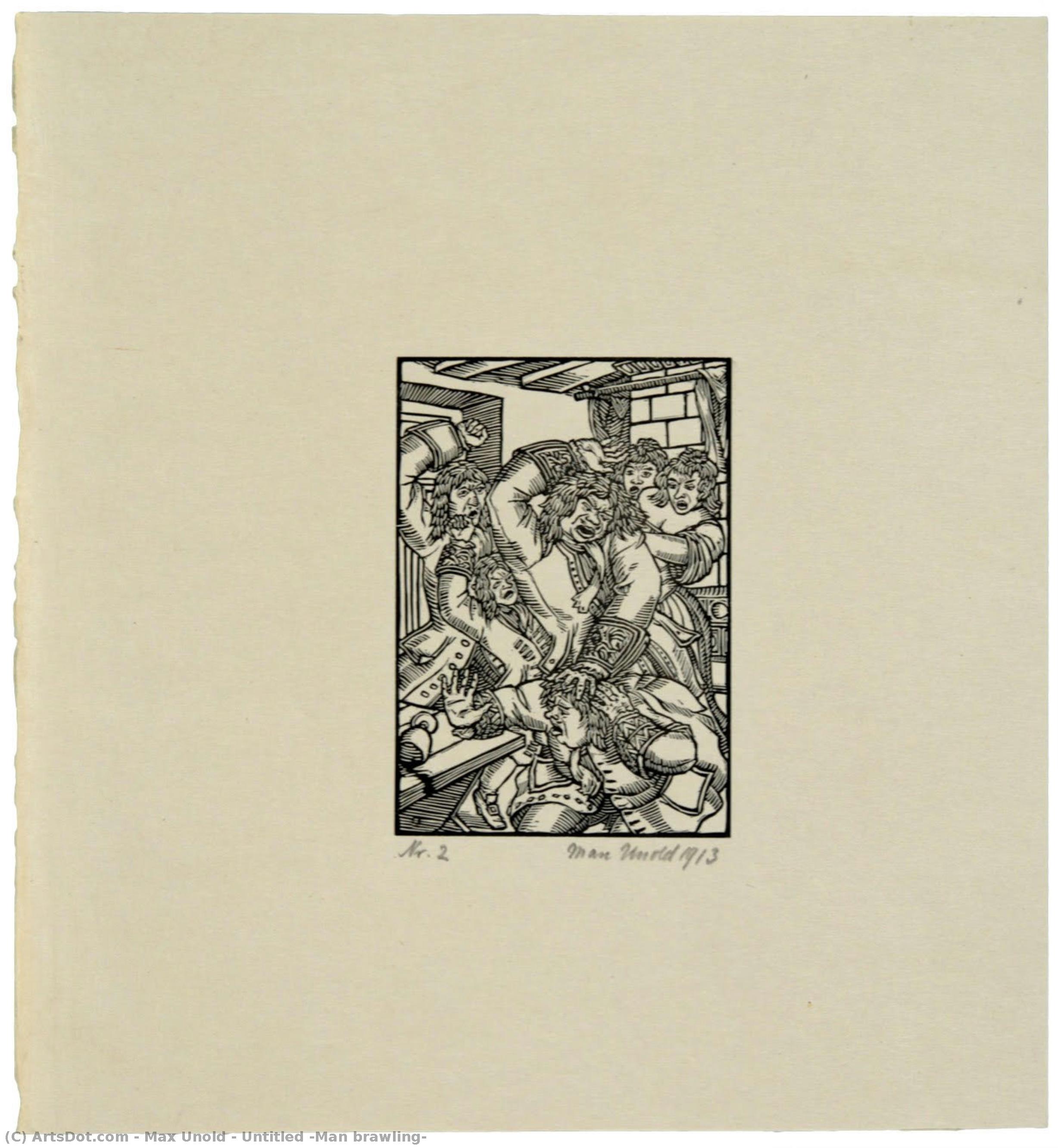
Untitled (Man brawling)
 New Objectivity
 12.0 x 8.0 cm
 Hammer Museum
 Read More
Giclée / Art Print
Museum-quality giclée or canvas print with fast production and flexible finish options. ( Buy Hand Made Painting Buy Image)




































Pick from our preset sizes that match the artwork's original proportions.

You may enter your own dimensions to fit a specific frame or space. If your selected size does not match the original image's proportions, we will either crop the artwork or extend the image with a mirrored or solid-fill edge. A digital mockup will be sent for your approval before production begins.
Please note that the on-screen preview does not reflect the actual cropping or extension. Only the mockup will accurately show the final composition.
While custom sizes are available, we recommend selecting a dimension from the predefined list to preserve the original proportions.
Worldwide Delivery () in 2 weeks instead of standard 4/5 weeks. (13 August)

Free Worldwide Express Shipping

High-Quality Linen Canvas

Full Shipping Insurance

Customs Tax Refund Guarantee

True Color Matching Guarantee

60-Day Return Policy (Defects Only)

100% Money-Back Guarantee

Bulk Discount Offer
 Glass option is only available in size under 110 CM

Untitled (Man brawling)
Giclée / Art Print
Reproduction Size
-


Total Price
$ 63
Related Artworks




Artist Biography
Max Unold: A Chronicle of Urban Realism and German Modernity
Born in Memmingen, Bavaria, in 1885, Max Unold emerged as a pivotal figure within the burgeoning landscape of early 20th-century German art. His career spanned several decades, marked by a dedication to capturing the gritty realities of urban life and a profound engagement with the philosophical currents of his time. While often categorized within the “New Objectivity” movement – a reaction against the prevailing sentimentality of Expressionism – Unold’s work possessed a unique strength, rooted in meticulous observation and a strikingly direct approach to depicting the social fabric of Germany.
Unold's artistic journey began with formal training at the Moritz Heymann art school in 1906, followed by studies at the Munich Academy under Hugo von Habermann. This early exposure to academic traditions provided a solid foundation, but it was his involvement with the “Münchener Neue Secession” – a group of artists seeking to break from established norms and explore new modes of representation – that truly shaped his artistic vision. This association proved particularly significant during the turbulent years leading up to and including World War I, forcing the group to dissolve under the pressures of the Nazi regime. Unold’s experience as its last president instilled in him a deep awareness of social injustice and the fragility of artistic freedom.
The Language of the Street: Style and Technique
Unold's distinctive style is immediately recognizable through his masterful use of woodcuts, lithographs, and engravings. He eschewed romanticized depictions in favor of stark realism, focusing on the often-unpleasant aspects of urban existence – poverty, conflict, and social alienation. His compositions are typically dynamic, filled with movement and a palpable sense of tension. Bold lines, dramatic shadows, and a limited color palette contribute to an atmosphere of immediacy and emotional intensity.
A key element of his technique was his meticulous attention to detail. He studied the faces of ordinary people – laborers, street vendors, and marginalized figures – with an almost photographic precision, capturing their weariness, resilience, and quiet dignity. His depictions of crowded marketplaces, bustling streets, and dimly lit taverns are not merely illustrations; they are powerful social commentaries, offering a glimpse into the lives of those often overlooked by mainstream society. The influence of late 19th-century printmaking is evident in his compositions, particularly in their use of cross-hatching and tonal variations to create depth and texture.
Themes of Social Commentary and Modernity
Unold’s work consistently grappled with the social and political realities of his time. The rise of industrialization, urbanization, and class inequality were central themes in his oeuvre. He frequently depicted scenes of poverty, unemployment, and social unrest, implicitly critiquing the injustices inherent in a rapidly changing society. His images are not overtly propagandistic, but they subtly expose the human cost of modernity – the alienation, hardship, and disillusionment experienced by many.
Furthermore, Unold’s art reflects a broader engagement with philosophical ideas prevalent during this period. The influence of thinkers like Nietzsche and Bergson is discernible in his exploration of subjectivity, perception, and the fragmented nature of modern experience. He sought to capture not just what he *saw*, but also how he *felt* about what he saw – a deeply personal response to the world around him.
Legacy and Significance
Despite facing censorship and persecution during the Nazi era, Max Unold continued to produce significant work throughout his career. His commitment to social realism and his unflinching portrayal of urban life cemented his place as one of the most important exponents of the New Objectivity movement in Germany. His art remains a powerful testament to the enduring relevance of social commentary and a poignant reflection on the challenges of modernity.
Today, Unold’s work is exhibited widely and studied by scholars of German art history. His images continue to resonate with audiences, offering a compelling window into the past and prompting us to consider the complexities of contemporary society. His legacy lies not only in his artistic skill but also in his unwavering dedication to truth and social justice.
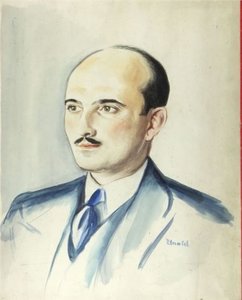
max unold
1885 - 1964 , Germany
Quick Facts
- Artistic Movement Or Style: New Objectivity
- Artists Or Movements Influenced By This Artist: ['Münchener Neue Secession']
- Artists Who Influenced This Artist: ['Hugo von Habermann']
- Date Of Birth: 1885
- Date Of Death: 1964
- Full Name: Max Unold
- Nationality: German
- Notable Artworks: ['Untitled (Man brawling)']
- Place Of Birth: Memmingen, Germany
Related Articles

Max Ernst's Masterpieces: 25 Surreal Visions for Art Lovers & Home Decor
Journey into the surreal world of Max Ernst! Explore 25 iconic paintings, from Dada to abstract expressionism. Discover the stories behind his masterpieces & find museum-quality art reproductions for your home decor at ArtsDot.com.

German Expressionism's 10 Defining Masterpieces | Art for Your Home
Explore 10 defining German Expressionism masterpieces – from Munch's 'The Scream' to Kandinsky’s abstracts. Discover the artists, stories & bold colors behind this powerful art movement. Find museum-quality reproductions at ArtsDot.com.
The Enduring Legacy of Printmaking: Techniques, Themes & Artistic Innovation Across Centuries
Explore the rich history of printmaking with ArtsDot. Discover techniques from intaglio to lithography, learn about collecting valuable prints & find museum-quality reproductions. Expert insights for art enthusiasts and collectors.

Neue Sachlichkeit: Objectivity, Realism & Social Commentary in Interwar German Art
Explore Neue Sachlichkeit – the pivotal German art movement critiquing Weimar society with unflinching realism. Discover key artists like Dix & Grosz, its historical context, and collecting insights for discerning investors.

Max Klinger: Symbolism, Science & the Subconscious – A German Master's Legacy
Explore the captivating world of Max Klinger, a pivotal German Symbolist artist. Discover his groundbreaking prints, psychological themes, & influence on modern art movements like Expressionism. Expert analysis and insights.



