

 Preview
 Send
Send Share
Share
 Details

 Download
 Similars
 X-Ray
X-Ray Diaporama
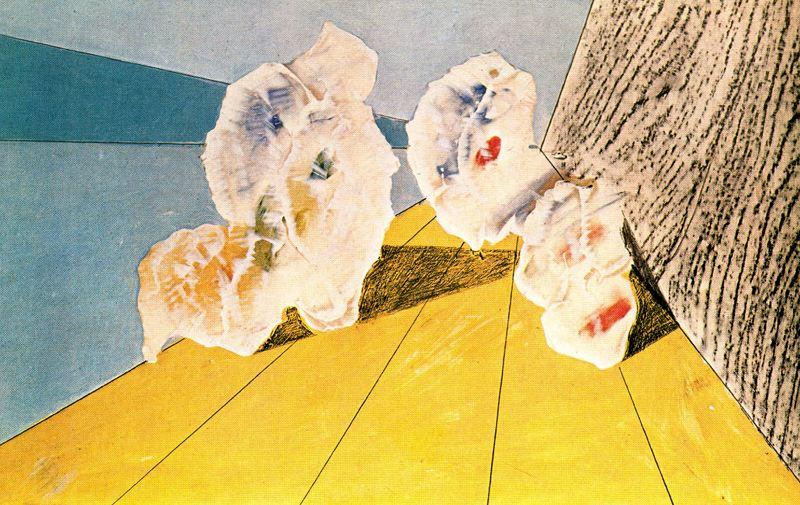
Coquillage


 Read More
Purchase a high-resolution, enhanced digital image, far superior to the online preview.
Each file is meticulously prepared by our in-house specialists using advanced tools and expert manual retouching. We ensure every image has exceptional clarity, precise color accuracy, and fine detail.
The final file is delivered via email within 72 hours, optimized for immediate use in professional, editorial, and print environments. This is the same quality trusted by top-tier design studios, publishers, and galleries.
Digital Image
Download a high-resolution file for personal display, printing, and creative projects. ( Switch to Print Switch to hand made Painting)
Included in Every Digital Image Order
Expert Digital Delivery, Guaranteed
When you choose ArtsDot.com, you're not just getting an image - you're receiving a professionally enhanced digital artwork, crafted with precision and backed by a satisfaction guarantee. Here's everything that comes with your order, automatically:

Fast Email Delivery
Your high-resolution digital image file will be emailed to you within 72 hours of ordering - ready for immediate use.

AI-Enhanced Digital File
Your artwork is professionally optimized using advanced AI tools and manual editing, ensuring maximum detail, clarity, and color accuracy.

Free Lifetime Re-Delivery
Accidentally deleted or lost your file? No worries - we'll resend it to you anytime, free of charge.

No Import Fees - Ever
Enjoy your artwork instantly with zero customs, duties, or delivery fees - digital downloads are always tax-free.

Color Accuracy Guarantee
We ensure your digital image reflects the original colors as closely as possible using professional tools and color management.

60-Day Satisfaction Guarantee
If you're not satisfied with your digital image, we'll revise it or refund 100% within 60 days - no questions asked.

100% Money-Back Guarantee
Not satisfied? Get a full refund within 60 days of receiving your digital file - no questions asked.

Bulk Order Discounts
Buy 3 images, save 10% - Buy 5, save 15% - Buy 10+, save 20%. Great for creative projects, galleries, and agencies.
Collectible Description
A Surreal Echo of Dreams: Exploring Max Ernst’s “Coquillage”
Max Ernst's "Coquillages" (1961) isn’t merely a painting; it’s an invitation into the subconscious, a meticulously crafted landscape of unsettling beauty that embodies the core tenets of Surrealism. Executed during Ernst’s prolific period as a painter and sculptor, this artwork resides within the National Trust collection at Dudmaston Hall, offering visitors a glimpse into the mind of one of Dada and Surrealist art's most influential figures. The piece immediately captivates with its stark simplicity – three white objects adorned with crimson eyes dominate a muted yellow expanse—yet beneath this surface lies a complex tapestry of symbolic references and artistic innovation.- Style & Technique: Ernst’s signature technique, frottage—a process involving rubbing textured surfaces onto paper—is evident in the creation of these enigmatic sculptures or eggs. This method deliberately disrupts conventional representation, prioritizing tactile sensation and spontaneous gesture over precise detail. The resulting surface is subtly mottled, mirroring the organic irregularities found in nature – a deliberate nod to Ernst’s fascination with geological formations and primitive landscapes.
- Historical Context: Surrealism emerged from the disillusionment following World War I, rejecting rational thought and embracing dreams, irrationality, and automatism as pathways to artistic expression. Ernst was deeply influenced by Freud's psychoanalytic theories, believing that art could tap into unconscious desires and anxieties. “Coquillages” reflects this intellectual milieu, mirroring the Surrealist preoccupation with confronting hidden realities.
- Symbolism & Imagery: The white objects themselves represent purity and innocence—concepts frequently interrogated by Surrealists—but their scarlet eyes inject an element of menace and observation. They gaze outwards, seemingly scrutinizing the viewer and challenging our perceptions. The solitary tree in the background serves as a grounding presence, symbolizing resilience and connection to the natural world, yet its stark silhouette contributes to the painting’s overall sense of isolation.
- Emotional Impact: “Coquillages” evokes a profound feeling of unease—a deliberate aim of Ernst's artistic practice. It compels us to confront unsettling images and ambiguous narratives, prompting contemplation about themes of mortality, transformation, and the elusive nature of consciousness. The painting’s muted palette amplifies its emotional resonance, fostering an atmosphere of contemplative stillness.
Further Exploration: Ernst's Artistic Legacy
Beyond “Coquillages,” Ernst’s oeuvre encompasses a remarkable range of mediums and styles—from collages incorporating found objects to monumental sculptures exploring themes of mythology and primal instinct. His unwavering commitment to experimentation solidified his position as a pioneer of Surrealist art, inspiring generations of artists who followed in his footsteps. Consider delving into his “Fleurs-coquillages” series for an even deeper appreciation of Ernst’s artistic vision—a testament to the enduring power of imagination and subconscious exploration.Reproductions & Inspiration
A high-quality reproduction of "Coquillages" can bring a touch of Surrealist elegance into any interior space, capturing the painting's captivating mood and intricate textural details. Explore ArtsDot.com for stunning prints that faithfully recreate Ernst’s masterful technique and evocative imagery—allowing you to experience the artwork's profound emotional impact firsthand.Related Artworks


Artist Biography
A Life Immersed in the Surreal
Max Ernst, born Maximilian Maria Ernst on April 1st, 1891, in Brühl, Germany, was a restless spirit destined to become one of the most pivotal figures in 20th-century art. His journey wasn’t one of conventional artistic training; rather, it was a self-directed exploration fueled by philosophical inquiry, psychological fascination, and a profound disillusionment with societal norms. Ernst's father, a teacher of the deaf and an amateur painter, instilled in him both a sensitivity to the world and a rebellious streak against established authority. This early duality would become a defining characteristic of his artistic vision.
Ernst’s academic pursuits at the University of Bonn – encompassing philosophy, art history, literature, psychology, and psychiatry – were not merely diversions but foundational elements that deeply informed his later work. He wasn't simply interested in *how* to paint; he was grappling with *why*. This intellectual curiosity led him to encounter the groundbreaking works of Picasso, Van Gogh, and Gauguin at the Sonderbund exhibition in Cologne in 1912, a moment that irrevocably altered his artistic trajectory. The seeds of modernism had been sown.
Dada’s Disruption and the Birth of Surrealist Visions
The cataclysm of World War I proved to be a watershed moment for Ernst. His experiences as a soldier on both the Eastern and Western fronts left him profoundly shaken, fostering a deep skepticism towards established order and a yearning for new modes of expression. This disillusionment found fertile ground in the burgeoning Dada movement, which he embraced wholeheartedly after returning to Cologne in 1918. Alongside Hans Arp – a lifelong friend and collaborator – Ernst became a central figure in the Cologne Dada group, rejecting traditional artistic conventions and embracing absurdity, chance, and anti-rationality.
However, Dada was merely a stepping stone. In the early 1920s, Ernst migrated to Paris and joined the ranks of the Surrealists, led by André Breton. This marked a shift towards exploring the realm of dreams, the unconscious mind, and the irrational. Influenced by the psychoanalytic theories of Sigmund Freud, Ernst sought to unlock the hidden depths of human experience through his art. He wasn’t interested in depicting reality as it appeared but rather in revealing the underlying psychological forces that shaped it.
Pioneering Techniques: Frottage, Grattage, and Collage
Ernst's artistic innovation extended beyond subject matter; he was a relentless experimenter with technique. He didn’t simply adopt existing methods—he invented new ones. Perhaps his most famous contribution is frottage, a process of rubbing pencil or charcoal over textured surfaces to create unexpected and evocative images. This technique, born from a moment of boredom while observing wood grain, allowed Ernst to tap into the subconscious and generate forms that defied conscious control. Closely related was grattage, where paint is scraped across canvas revealing underlying layers.
He also masterfully employed collage, assembling disparate elements – images from magazines, scientific illustrations, photographs – into surreal compositions that challenged conventional notions of representation. These techniques weren’t merely stylistic choices; they were integral to his exploration of the unconscious and his desire to disrupt traditional artistic boundaries. His paintings often feature recurring symbolic imagery: birds (particularly his alter ego Loplop), desolate landscapes, unsettling juxtapositions, and a pervasive sense of mystery.
A Legacy of Innovation and Influence
The outbreak of World War II forced Ernst to flee Europe, finding refuge in the United States. He continued to paint and experiment with new techniques throughout his exile, eventually returning to France after the war where he remained active until his death on April 1st, 1976, in Paris. His influence on subsequent generations of artists is immeasurable.
Max Ernst’s contributions to Dada and Surrealism were nothing short of groundbreaking. He challenged artistic norms, delved into the depths of the subconscious mind, and invented innovative techniques that continue to inspire artists today. He wasn't merely a painter; he was an explorer, a provocateur, and a visionary who expanded the boundaries of art itself. His work remains a testament to the power of imagination, the allure of the irrational, and the enduring quest to understand the complexities of the human psyche.
- Major Works: The Entire City, Euclides, Of This Men Shall Know Nothing, Forest and Dove
- Influences: Pablo Picasso, Vincent van Gogh, Paul Gauguin, Sigmund Freud, Giorgio de Chirico
- Movements: Dada, Surrealism

Max Ernst
1891 - 1976 , Germany
Quick Facts
- Artistic Movement Or Style: Dada, Surrealism
- Artists Or Movements Influenced By This Artist:
- Surrealism
- Dada
- Artists Who Influenced This Artist:
- Pablo Picasso
- Vincent van Gogh
- Paul Gauguin
- Giorgio de Chirico
- Date Of Birth: April 1, 1891
- Date Of Death: April 1, 1976
- Full Name: Max Ernst
- Nationality: German-American, French
- Notable Artworks:
- Ofrenda funeraria
- The Equivocal Woman
- L'Ange du foyer
- Place Of Birth: Brühl, Germany

