
- Home

- Digital Image
- Mary Stevenson Cassatt
- The Child's Bath 2
 Buy print
 Send
Send Share
Share
 Details

 Download
 Similars
 X-Ray
X-Ray Diaporama
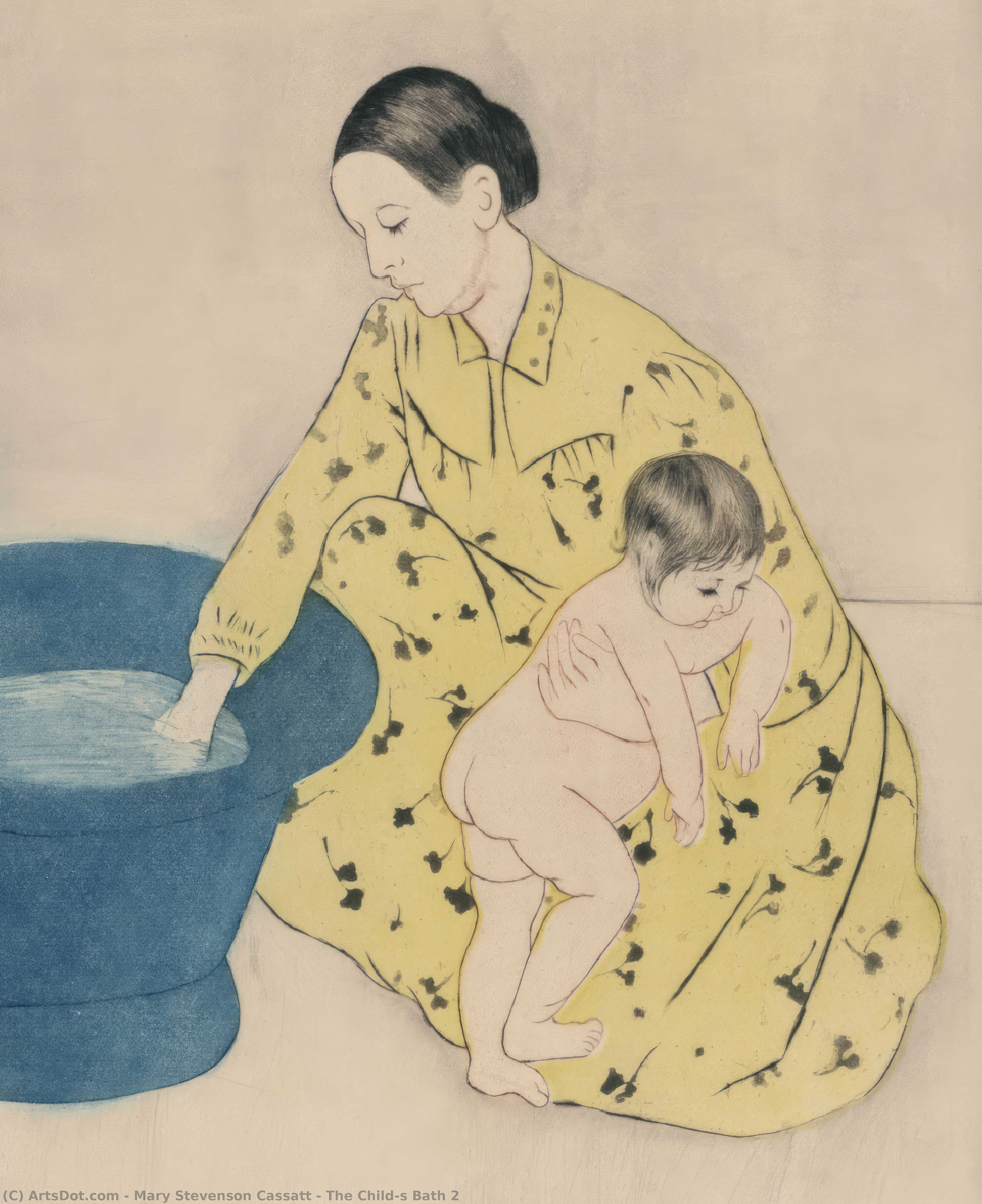
The Child's Bath 2


Purchase a high-resolution, enhanced digital image, far superior to the online preview.
Each file is meticulously prepared by our in-house specialists using advanced tools and expert manual retouching. We ensure every image has exceptional clarity, precise color accuracy, and fine detail.
The final file is delivered via email within 72 hours, optimized for immediate use in professional, editorial, and print environments. This is the same quality trusted by top-tier design studios, publishers, and galleries.
 Read more
Digital Image
Download a high-resolution file for personal display, printing, and creative projects.
Included in Every Digital Image Order
Expert Digital Delivery, Guaranteed
When you choose ArtsDot.com, you're not just getting an image - you're receiving a professionally enhanced digital artwork, crafted with precision and backed by a satisfaction guarantee. Here's everything that comes with your order, automatically:

Fast Email Delivery
Your high-resolution digital image file will be emailed to you within 72 hours of ordering - ready for immediate use.

AI-Enhanced Digital File
Your artwork is professionally optimized using advanced AI tools and manual editing, ensuring maximum detail, clarity, and color accuracy.

Free Lifetime Re-Delivery
Accidentally deleted or lost your file? No worries - we'll resend it to you anytime, free of charge.

No Import Fees - Ever
Enjoy your artwork instantly with zero customs, duties, or delivery fees - digital downloads are always tax-free.

Color Accuracy Guarantee
We ensure your digital image reflects the original colors as closely as possible using professional tools and color management.

60-Day Satisfaction Guarantee
If you're not satisfied with your digital image, we'll revise it or refund 100% within 60 days - no questions asked.

100% Money-Back Guarantee
Not satisfied? Get a full refund within 60 days of receiving your digital file - no questions asked.

Bulk Order Discounts
Buy 3 images, save 10% - Buy 5, save 15% - Buy 10+, save 20%. Great for creative projects, galleries, and agencies.
Collectible Description
A Tender Moment of Domesticity
This captivating artwork portrays an intimate scene of maternal care – a mother bathing her child – rendered with a delicate sensibility that defines Mary Cassatt’s oeuvre. More than just a depiction of everyday life, it's a poignant exploration of the bond between parent and child, imbued with warmth, serenity, and quiet grace. This piece offers a compelling focal point for any collection or interior space, radiating a sense of peaceful intimacy.Impressionism & Japonisme: A Unique Synthesis
Painted in an era heavily influenced by Impressionism, this work transcends simple representation through its distinct stylistic choices. While sharing the Impressionist focus on capturing fleeting moments and subjective experience, it’s profoundly marked by *Japonisme* – the Western fascination with Japanese art. Cassatt was deeply inspired by *ukiyo-e* woodblock prints, adopting their flattened perspective, bold outlines, and simplified forms. This fusion creates a unique aesthetic that sets her work apart, offering a refreshing departure from traditional academic painting.Technique & Materials: Echoes of Printmaking
Though often categorized as a painter, Cassatt frequently employed techniques borrowed from printmaking in her compositions. The artwork’s visual character suggests color printing methods like lithography or etching with color washes. This approach results in flat areas of vibrant yet harmonious color delineated by strong, defining lines – reminiscent of woodblock prints. The effect is one of elegant simplicity and graphic clarity, emphasizing form over detailed realism.Historical Context: Challenging Artistic Conventions
Mary Cassatt was a pivotal figure in late 19th-century art. As an American expatriate living in Paris, she navigated the predominantly male artistic circles with determination and talent. She became a key member of the Impressionist movement, exhibiting alongside Degas, Monet, and Renoir. However, unlike many of her contemporaries who focused on landscapes or bustling city life, Cassatt concentrated on the domestic sphere, elevating the experiences of women and children to subjects worthy of serious artistic consideration – a bold move that challenged prevailing societal norms.Symbolism & Emotional Resonance
The act of bathing itself carries symbolic weight, representing cleansing, renewal, and vulnerability. The mother’s gentle touch and focused attention convey unwavering love, protection, and nurturing care. The child's trusting posture underscores the profound emotional connection between them. Beyond its literal depiction, this artwork evokes feelings of tenderness, warmth, and a quiet appreciation for the beauty found in everyday moments.A Timeless Addition to Your Space
This piece is more than just an aesthetic object; it’s a window into a tender moment, a celebration of motherhood, and a testament to Cassatt's innovative artistic vision. Whether displayed in a living room, bedroom, or study, its calming presence and sophisticated style will enrich any interior, offering both visual delight and emotional resonance for years to come. A high-quality reproduction allows you to experience the beauty and intimacy of this masterpiece within your own home.Related Artworks


Artist Biography
A Life Dedicated to Impressionism and Domesticity
Mary Stevenson Cassatt, a name forever linked with intimate portrayals of women and children within the radiant world of late 19th-century Impressionism, forged an exceptional path as an American artist who discovered her artistic sanctuary in France. Born on May 22, 1844, in Allegheny City, Pennsylvania – now part of Pittsburgh – Cassatt’s upbringing was steeped in privilege and a cultivated awareness of culture. Her family, with roots tracing back to French Huguenots, placed high value on education and travel, instilling within young Mary a cosmopolitan perspective that would profoundly shape her artistic vision. While societal norms often confined women to domestic spheres, Cassatt's mother, Katherine Kelso Johnston, actively encouraged her daughter’s burgeoning interest in art, recognizing and nurturing a talent that defied convention. This early support proved invaluable as Cassatt navigated the challenges of pursuing a professional career within a male-dominated field.
From Philadelphia to Parisian Immersion
Cassatt's formal artistic training commenced at the Pennsylvania Academy of the Fine Arts in Philadelphia at the age of fifteen, a bold step for a young woman during the Civil War era. Despite encountering skepticism and subtle discouragement from some instructors and fellow students, she persevered through years of diligent study. However, feeling constrained by the academy’s deliberate pace and traditional methods, Cassatt sought broader horizons. A pivotal moment arrived in 1866 when she relocated to Paris, accompanied by her mother and family friends as chaperones. This move marked a turning point in her artistic development. She studied privately with established artists affiliated with the École des Beaux-Arts, including Jean-Léon Gérôme, absorbing technical skills while simultaneously immersing herself in the burgeoning Parisian art scene. It was during this period that Cassatt began to gravitate towards the innovative ideas of the Impressionists, a group challenging academic conventions and striving to capture the fleeting moments of modern life. A particularly significant relationship blossomed with Edgar Degas, who recognized her exceptional talent and invited her to exhibit alongside the Impressionist circle. Their connection extended beyond exhibition; Degas became a mentor, encouraging Cassatt’s exploration of printmaking techniques, especially color aquatint, which would become an integral part of her artistic repertoire. He profoundly influenced her compositional choices, particularly in his emphasis on asymmetrical arrangements and cropped figures – elements that would come to define her unique style.
Capturing Modern Womanhood: Style and Themes
Cassatt’s artistic style evolved to embrace the hallmarks of Impressionism – visible brushstrokes, a focus on light and color, and a commitment to depicting contemporary life. Yet, she infused her work with a distinct clarity and precision that set it apart from some of her contemporaries. Unlike many male Impressionists who favored landscapes or Parisian nightlife, Cassatt centered her art around the social and private worlds of women, particularly mothers and children. She portrayed scenes of domesticity – bathing rituals, tea parties, quiet moments of connection – with remarkable intimacy and psychological depth. Her paintings are not merely depictions of everyday life; they are sensitive explorations of maternal bonds, female relationships, and the complexities of modern womanhood. Key works like The Boating Party (1894), The Child’s Bath (in various versions), and Little Girl in a Blue Armchair exemplify her ability to capture fleeting moments with both technical skill and emotional resonance. Furthermore, Cassatt was deeply influenced by Japanese *ukiyo-e* woodblock prints, evident in her compositions' flattened perspective, bold color choices, and elegant simplicity. This Japonisme influence added another layer of sophistication to her already distinctive style, influencing her use of pattern and the arrangement of forms within a space. She admired the way these prints captured everyday life with such directness and grace, qualities she sought to emulate in her own work.
Legacy and Historical Significance
Mary Cassatt’s contributions to the art world extend far beyond her captivating paintings and masterful prints. Often recognized as one of the “three great ladies” of Impressionism, alongside Berthe Morisot and Marie Bracquemond, she shattered barriers for women artists and paved the way for future generations. She played a vital role in bridging American and European art, introducing Impressionist ideas to an American audience and significantly contributing to the development of American Impressionism. Her work offered a nuanced and sympathetic portrayal of women’s lives during a period when they were often marginalized or stereotyped in art. Her depictions of motherhood are particularly celebrated for their honesty and emotional depth, challenging conventional representations and celebrating the strength and tenderness of maternal love. Today, her works are held in prestigious museums worldwide, including the Art Institute of Chicago (The Child’s Bath), the National Portrait Gallery in London (a portrait by Degas), and countless other institutions, ensuring that her legacy continues to inspire and resonate with audiences around the globe. She remains a powerful symbol of artistic independence and a testament to the enduring power of art to illuminate the human experience.
Further Exploration
- Online Resources: Explore Mary Cassatt’s life and work further through resources like Wikipedia (https://en.wikipedia.org/wiki/Mary_Cassatt) and ArtsDot.
- Museum Collections: Discover her masterpieces in renowned museums worldwide, including the Art Institute of Chicago and the National Portrait Gallery in London.
- Related Artists: Delve into the works of Edgar Degas, Berthe Morisot, and Marie Bracquemond to understand the broader context of Impressionism and the contributions of women artists during this period.

Mary Stevenson Cassatt
1843 - 1926 , United States of America
Quick Facts
- Artistic Movement Or Style: Impressionism
- Artists Or Movements Influenced By This Artist: ['American Impressionism']
- Artists Who Influenced This Artist:
- Edgar Degas
- Jean-Léon Gérôme
- Date Of Birth: May 22, 1844
- Date Of Death: 1926
- Full Name: Mary Stevenson Cassatt
- Nationality: American
- Notable Artworks:
- The Boating Party
- Child's Bath
- Little Girl in Blue Armchair
- Place Of Birth: Pittsburgh, USA

