

 Preview
 Send
Send Share
Share
 Details
 Guide
Guide

 Download
 Similars
 X-Ray
X-Ray Diaporama
 Q&A
Q&A Stats
StatsBraid


 Read More
The artwork displayed on this page is protected by copyright law, which means we cannot legally create or sell an identical reproduction. This protection is enforced under international agreements such as the Berne Convention and by national laws, including those outlined by the U.S. Copyright Law - Title 17.
This method fully complies with copyright regulations because it does not involve copying or duplicating the protected artwork. Instead, it is a creative reinterpretation - a new painting that is influenced by the original but not identical to it.
Giclée / Art Print
Museum-quality giclée or canvas print with fast production and flexible finish options. ( Buy Hand Made Painting Switch to Digital Image)




P118B $10

P118H $10

P118W $10

P438Z $10

P508JH $12

P508YH $12

P805H $10

P805Z $10

P919BZ $10

P919G $10

P919XJ $10

P959ZH $10

P968JZ $12

W106C $8

W218G $10

W218JH $8

W218Y $10

W307PJ $10

W316G $10

W316PJ $8

W316Y $10

W398PJ $8

W4111J $10

W500HY $15

W500JH $15

W692G $12

W849H $8

W940BG $15

W953PJ $8




Pick from our preset sizes that match the artwork's original proportions.

Type the width and the height you need, to fit your frame or your wall. A print can only be cut, never made bigger than the picture, so a size with a different shape loses a part of the image. We send you a digital mockup to approve before we print anything. The picture shown on this page does not show the real cut — only the mockup does.
Worldwide Delivery () in 2 weeks instead of standard 4/5 weeks. (19 November)

Free Worldwide Express Shipping

High-Quality Linen Canvas

Full Shipping Insurance

Customs Tax Refund Guarantee

True Color Matching Guarantee

100-Day Return Policy (Defects Only)

100% Money-Back Guarantee

Bulk Discount Offer
 Glass option is only available in size under 110 CM

Braid
Giclée / Art Print
Reproduction Size
-


Total Price
$ 63
Captivating Subject and Artistic Focus
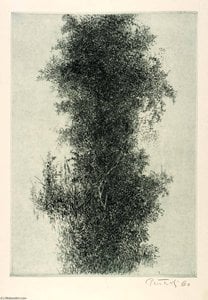
This exquisite pencil drawing captures the intricate beauty of a single braid of hair, transforming an everyday object into a compelling work of art. The artist’s meticulous attention to detail highlights the delicate textures, subtle curves, and natural imperfections of the hair, inviting viewers to appreciate the craftsmanship involved. The composition’s straightforward vertical orientation draws the eye along the length of the braid, emphasizing its form and structure. This focus on a simple yet evocative subject symbolizes themes of femininity, tradition, and personal identity, resonating deeply with viewers on an emotional level.Masterful Technique and Style
Executed in a hyper-realistic style, this artwork showcases the artist’s exceptional skill with traditional graphite pencils. Through fine cross-hatching, blending, and precise line work, the artist creates a lifelike representation that captures the softness, sheen, and subtle wisps of hair. The monochromatic palette enhances the focus on texture and form, allowing light and shadow to sculpt the braid with remarkable realism. The careful shading and gradation evoke a sense of depth and volume, making the braid appear three-dimensional and tangible, almost as if it could be touched.Historical Context and Artistic Significance
While the subject matter appears simple, the technique and style align with contemporary explorations of realism and everyday beauty. This work echoes the tradition of hyper-realism, where artists elevate mundane objects to the realm of fine art, encouraging viewers to find significance in the ordinary. The artist’s approach also reflects a broader cultural appreciation for craftsmanship, authenticity, and the celebration of natural materials. Such works serve as a reminder of the artistry inherent in daily life and the personal stories woven into familiar objects.Symbolism and Emotional Impact
The braid, a symbol of connection, tradition, and identity, invites viewers to reflect on themes of continuity and personal history. The frayed ends and natural imperfections suggest authenticity and the beauty of imperfection, evoking feelings of nostalgia and intimacy. The restrained monochrome palette fosters a contemplative mood, encouraging viewers to slow down and appreciate the subtle details and textures. This artwork’s quiet elegance makes it a powerful addition to any space, inspiring reflection and admiration for the artistry of everyday life.A Perfect Addition for Collectors and Interior Design
Ideal for art lovers, collectors, and interior designers seeking a piece that combines technical mastery with meaningful symbolism, this hyper-realistic drawing offers timeless appeal. Its understated elegance complements a variety of decor styles, from modern minimalism to classic sophistication. Whether displayed as a focal point or part of a curated collection, this artwork elevates any environment, inspiring appreciation for the artistry found in the simplest of subjects. A high-quality reproduction of this piece promises to bring enduring beauty and thoughtful craftsmanship into your space.Questions & Answers
What historical period is "Braid" by Jim Dine from?
"Braid" by Jim Dine dates from the Contemporary period. The period gives the historical context of the work.
What color leads the composition of "Braid" by Jim Dine?
putty (#dfcfb5) is the leading color of "Braid" by Jim Dine.
What is the format of "Braid"?
The format of "Braid" is portrait. This is useful when planning where a reproduction will be placed.
Related Artworks


Artist Biography
Early Life and Artistic Foundations
Jim Dine, born in Cincinnati, Ohio, in 1935, emerged as a pivotal figure bridging the gap between Abstract Expressionism and the burgeoning Pop Art movement. His formative years were steeped in artistic exploration, beginning with evening classes at the Art Academy of Cincinnati under the tutelage of Paul Chidlaw – an experience that instilled within him a deep appreciation for draftsmanship and direct observation. This early training was further solidified by his Bachelor of Fine Arts degree from Ohio University in 1957, laying the groundwork for a career defined by its restless innovation and deeply personal iconography.
Dine’s artistic sensibility wasn't solely shaped by formal education; it was profoundly influenced by his upbringing. The sights and textures of his grandfather’s hardware store – the tools, the materials, the very atmosphere of practical utility – would later become recurring motifs in his work, imbued with a poignant sense of memory and personal narrative. These weren’t merely objects to be depicted, but vessels carrying echoes of childhood experience and familial connection.
The Rise of Happenings and Pop Art Pioneer
By the late 1950s, Dine had relocated to New York City, a crucible of artistic experimentation. He quickly became involved in the avant-garde scene, collaborating with artists like Claes Oldenburg, Allan Kaprow, and musician John Cage to create “happenings” – chaotic, multi-sensory performances that challenged conventional notions of art. His own happening, “30-second the smiling worker,” performed in 1959, was a deliberately disruptive event, a rejection of the prevailing seriousness of Abstract Expressionism and a foreshadowing of the playful irreverence that would characterize Pop Art.
Dine’s inclusion in the groundbreaking 1962 exhibition “New Painting of Common Objects” at the Norton Simon Museum alongside artists like Roy Lichtenstein and Andy Warhol cemented his position within this emerging movement. This exhibition is now recognized as a watershed moment, signaling a shift in American art towards embracing popular culture and everyday objects as legitimate subjects for artistic exploration. Dine’s canvases from this period began to incorporate these commonplace items – tools, clothing, domestic implements – transforming them into powerful symbols of identity, memory, and the human condition.
Assemblage, Autobiography, and Artistic Evolution
The early 1960s saw Dine develop his signature style of assemblage, attaching real objects directly to painted canvases. Works like “Job #1” (1962), now held in the Honolulu Museum of Art’s collection, exemplify this approach – a chaotic yet carefully arranged composition featuring paint cans, brushes, screwdrivers, and pieces of wood. These assemblages weren't simply about depicting objects; they were about creating a tactile, visceral experience for the viewer, blurring the boundaries between painting and sculpture.
Despite achieving both critical and commercial success with this work, Dine expressed growing dissatisfaction with its perceived limitations. A controversial incident in 1966 – a police raid on an exhibition of his work at Robert Fraser’s gallery in London – further fueled his desire to explore new artistic avenues. Following the raid, he relocated to London for four years, continuing to develop his art under Fraser's representation.
Upon returning to the United States in 1971, Dine embarked on a period of intense drawing, honing his skills and exploring more introspective themes. From the late 1970s onward, sculpture regained prominence in his work, followed by a shift towards depicting nature – landscapes, flowers, and particularly Pinocchio – as opposed to man-made objects. This evolution reflects a deepening engagement with timeless myths and archetypes, alongside an enduring fascination with the power of imagery.
Legacy and Enduring Influence
Jim Dine’s influence extends far beyond the realm of visual art. His work has resonated with artists across disciplines, notably inspiring James Rado, co-writer of the musical “Hair,” who attributed the show’s very name to a Dine piece entitled “Hair.” Throughout his career, Dine has received numerous accolades, including election into the National Academy of Design and major retrospective exhibitions at institutions like the Walker Art Center and the Whitney Museum of American Art.
His public art installations – most notably the nine-meter-high bronze statue “Walking to Borås” in Sweden and a similar sculpture of Pinocchio at the Cincinnati Art Museum – demonstrate his ability to translate his artistic vision into monumental forms that engage with public space. The "Technicolor Heart," a vibrant sculpture gracing the campus of Washington State University, further exemplifies his commitment to creating accessible and emotionally resonant art.
Today, Jim Dine continues to create, pushing boundaries and challenging conventions. His work remains a powerful testament to the enduring power of personal experience, memory, and the transformative potential of art – a legacy that ensures his place as one of the most important American artists of the 20th and 21st centuries.

Jim Dine
1935 - , United States
Quick Facts
- Full Name: Jim Dine
- Nationality: American
- Date Of Birth: 1935
- Place Of Birth: Cincinnati, United States of America
- Notable Artworks:
- Job #1
- Untitled (2)
- Braid
- Walking to Borås
- Technicolor Heart
- Artistic Movement Or Style: Pop Art, Neo-Dada
- Artists Who Influenced This Artist: ['Paul Chidlaw']
- Artists Or Movements Influenced By This Artist:
- James Rado
- Hair musical
Related Articles

The Triadic Resonance of Artistic Choice: Exploring Emotional Response to Multiple Interpretations of a Singular Concept
Explore the emotional power of art & discover how skilled artists create lasting masterpieces. Custom paintings, expert consultations, & museum-quality reproductions at ArtsDot.com.

Jim Dine: A Poetic of Everyday Objects – Exploring Autobiographical Narratives & the Evolution of a Pop Art Icon
Explore the captivating world of Jim Dine – Pop Art pioneer & master of autobiographical expression. Discover his iconic tools, robes, and hearts. Expert insights for art collectors.

Romantic Realism's Finest: 10 Masterpieces for Your Home | ArtsDot
Explore 10 defining masterpieces of Romantic Realism! Discover Courbet, Millet & Daumier's powerful paintings—capturing emotion and social realities. Find museum-quality reproductions for your home at ArtsDot.com.
The Palate and the Palette: Exploring the Psychological Impact of Visual Design on Dining Perception and Appetite
Explore the science of dining! Discover how visual design impacts appetite & perception. Expert insights for hotel designers & restaurateurs to elevate the customer experience.

The Alchemy of Graphite: An Expert Guide to Mastering Detail and Depth in Pencil Sketching
Unlock the secrets of graphite sketching with our expert guide for art students. Learn to master pencil grades, create realistic depth, and capture intricate textures through professional techniques designed to elevate your observational drawing skills.


