Preview
 Send
Send Share
Share
 Details
 Guide
Guide

 Download
 Similars
 X-Ray
X-Ray Diaporama
 Stats
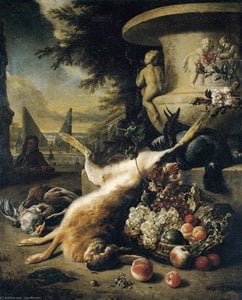
StatsThe Prodigal Son
 Oil On Canvas
- WallArt
- Baroque
 1668
1668- Early Modern
 111.0 x 99.0 cm
 Residenzgalerie
 Read More
Hand Made Oil Reproduction
Hand-painted oil on canvas in your size and frame, made to order by our artists. ( Switch to Print Switch to Digital Image)




P118B $10

P118H $10

P118W $10

P438Z $10

P508JH $12

P508YH $12

P805H $10

P805Z $10

P919BZ $10

P919G $10

P919XJ $10

P959ZH $10

P968JZ $12

W106C $8

W218G $10

W218JH $8

W218Y $10

W307PJ $10

W316G $10

W316PJ $8

W316Y $10

W398PJ $8

W4111J $10

W500HY $15

W500JH $15

W692G $12

W849H $8

W940BG $15

W953PJ $8




Pick from our preset sizes that match the artwork's original proportions.

Type the width and the height you need, to fit your frame or your wall. This is hand-painted, so for a size with a different shape the artist can paint a bit more around the picture, or cut a bit — you choose. We send you a digital mockup to approve before the painting starts. The picture shown on this page does not show the real result — only the mockup does.
After order, ArtsDot.com team will email client for instructions and provide a mockup preview
Worldwide Delivery () in 3/4 weeks instead of standard 5 weeks. (24 October). No compromise on quality.

Free Worldwide Express Shipping

High-Quality Linen Canvas

Full Shipping Insurance

Customs Tax Refund Guarantee

True Color Matching Guarantee

100-Day Return Policy (Defects Only)

100% Money-Back Guarantee

Bulk Discount Offer
 Glass option is only available in size under 110 CM

The Prodigal Son
Reproduction Medium
Reproduction Size
-


Total Price
$ 463
A Masterpiece of Baroque Drama
In the profound depths of Jan Weenix’s 1668 masterpiece, The Prodigal Son, viewers are transported into a world of intense theatricality and raw human emotion. This classical oil painting serves as a breathtaking window into the Baroque era, capturing a moment of profound vulnerability and communal grief. The composition is masterfully orchestrated, drawing the eye through a complex arrangement of figures gathered around a fallen protagonist. Set against the evocative backdrop of an architectural ruin, the scene utilizes a powerful arched doorway to create a sense of immense depth, pulling the observer into the very heart of the tragedy. The interplay of light and shadow—a hallmark of the period—casts a dramatic glow upon the central figures, highlighting the textures of weathered stone and the heavy folds of drapery, while plunging the periphery into mysterious, somber shadows.
The technical prowess displayed in this work reflects the pinnacle of Dutch Golden Age skill. Weenix employs a sophisticated layering technique, utilizing glazes to achieve a luminous quality that breathes life into skin tones and the rich, earthy palette of ochres, deep reds, and warm browns. Every brushstroke serves a purpose, from the delicate rendering of facial expressions caught in moments of anguish to the more vigorous, textured applications used to define the decaying masonry of the ruins. This meticulous attention to detail creates a tactile experience for the viewer, where the smoothness of fine silk contrasts sharply with the rugged, crumbling edges of the ancient architecture, suggesting a world where human fragility meets the inexorable passage of time.
Symbolism and the Weight of Mortality
Beyond its visual splendor, The Prodigal Son is a profound meditation on loss, decay, and the cyclical nature of life. The fallen figure at the center of the composition acts as a powerful symbol of mortality, serving as the emotional anchor for the surrounding crowd. The architectural ruins that frame the scene are not merely decorative; they represent the inevitable decline of all earthly structures and the transient nature of human glory. As the eye wanders toward the distant seascape visible through the archway, there is a poignant contrast between the stillness of death within the ruins and the eternal, rhythmic movement of the sea. This juxtaposition invites collectors and enthusiasts to contemplate themes of redemption, consequence, and the enduring legacy of our actions.
For the discerning interior designer or art collector, this painting offers more than just aesthetic beauty; it provides a narrative soul for a space. The warm, somber tones and the commanding presence of the composition make it an ideal focal point for a room designed to evoke contemplation and grandeur. Whether placed in a traditional study or as a conversation piece in a contemporary gallery setting, The Prodigal Son commands attention through its ability to stir the spirit. It is a work that transcends mere decoration, offering a timeless connection to the mastery of Jan Weenix and the enduring power of classical storytelling.
Questions & Answers
What print size of "The Prodigal Son" by Jan Weenix fits the recommended room?
For a living room, the recommended print size of "The Prodigal Son" by Jan Weenix is large.
How is the color composition of "The Prodigal Son" by Jan Weenix built?
The color analysis of "The Prodigal Son" by Jan Weenix records a statement contrast and a strong color unity harmony.
Who made "The Prodigal Son", and when?
The author of "The Prodigal Son" is Jan Weenix, and the work is dated 1668.
Related Artworks


Artist Biography
A Legacy of Dutch Realism: The Life and Art of Jan Weenix
Jan Weenix, born in Amsterdam in 1641, emerged from a lineage steeped in artistic tradition, inheriting a passion for painting from his father, the esteemed Jan Baptist Weenix. While precise details surrounding his early years remain somewhat elusive, it’s clear that young Jan received foundational training within his father's workshop, absorbing techniques crucial to depicting both still life and animal subjects—a hallmark of Dutch Golden Age artistry. This familial influence wasn’t merely technical; it instilled a deep appreciation for the meticulous observation of nature and a commitment to rendering its beauty with striking realism. The elder Weenix’s own artistic journey, including sojourns in Italy that infused his work with an Italianate sensibility, undoubtedly shaped Jan's developing aesthetic as well. Though initially overshadowed by his father’s reputation, Jan quickly distinguished himself, forging a unique path within the vibrant landscape of 17th-century Dutch painting.The Flourishing of a Baroque Style
Weenix’s artistic style blossomed during the height of the Baroque period, and it reflects the era's penchant for drama, rich detail, and dynamic composition. He wasn’t working in isolation; influences from contemporaries like Hendrick Cornelisz Vroom, renowned for his marine paintings, and potentially other animalier specialists such as Melchior de Hondecoeter and Gillis Claesz d'Hondecoeter, subtly informed his approach. However, Weenix synthesized these inspirations into a style distinctly his own. His canvases are characterized by an almost photographic precision in the rendering of textures—the sheen of feathers, the softness of fur, the delicate translucence of fruit – all achieved through masterful brushwork and a keen understanding of light and shadow. Chiaroscuro, the dramatic interplay between light and dark, is employed to create depth and visual interest, drawing the viewer into the scene with compelling realism. A vibrant color palette further enlivens his subjects, imbuing them with a sense of immediacy and vitality. He possessed an exceptional skill in arranging elements within the frame, creating balanced and harmonious compositions that are both visually appealing and narratively engaging.Masterpieces and Patronage
Throughout his career, Jan Weenix produced a substantial body of work celebrated for its technical brilliance and captivating subject matter. Paintings like Hunting and Fruit Still Life next to a Garden Vase (1714) exemplify his ability to seamlessly integrate diverse elements—game birds, luscious fruits, architectural details – into a complex and visually stunning arrangement. Still Life with a Hare and other Game (1697) showcases his mastery of animal anatomy and texture, capturing the lifelike quality of his subjects with remarkable accuracy. Even smaller works, such as A Seated Monkey (before 1685), reveal his talent for imbuing animals with personality and expressive character. This skill did not go unnoticed by prominent patrons. In 1702, Weenix received an invitation to the court of Johann Wilhelm, Elector Palatine, where he worked alongside other renowned artists, creating large-scale hunting scenes for Schloss Bensberg—a testament to his growing reputation and artistic prowess. These commissions provided him with both financial security and opportunities to further refine his skills.A Lasting Influence on Dutch Art
Jan Weenix played a pivotal role in popularizing hunting still lifes and game paintings during the Baroque period, elevating these genres beyond mere decoration. His works were highly sought after by collectors, contributing significantly to the development of Dutch artistic traditions. He didn’t simply replicate nature; he interpreted it through his unique lens, imbuing his paintings with a sense of realism, drama, and aesthetic beauty that resonated deeply with contemporary audiences. His legacy extends beyond his own creations; his daughter, Maria Weenix, continued the family tradition as a skilled flower painter, ensuring that the Weenix name remained synonymous with artistic excellence for generations to come. Today, Jan Weenix’s paintings are treasured in museums and private collections worldwide, continuing to inspire artists and captivate audiences with their masterful depictions of the natural world—a testament to his enduring contribution to the rich tapestry of Dutch art history.
Jan Weenix
1641 - 1719 , Netherlands
Quick Facts
- Artistic Movement Or Style: Dutch Baroque
- Artists Or Movements Influenced By This Artist: ['Maria Weenix']
- Artists Who Influenced This Artist:
- Jan Baptist Weenix
- Hendrick Vroom
- Date Of Birth: 1641
- Date Of Death: 1719
- Full Name: Jan Weenix
- Nationality: Dutch
- Notable Artworks:
- Hunting and Fruit Still Life
- Still Life with a Hare
- A Seated Monkey
- The White Peacock
- Place Of Birth: Amsterdam, Netherlands
Related Articles
Jan Steen: A Master of Dutch Genre Painting & the Golden Age
Explore the life & art of Jan Steen, a leading Dutch Golden Age painter renowned for his humorous genre scenes & insightful social commentary. Discover his techniques, legacy, and collecting tips.

Illuminating Innovation: Exploring the Dutch Golden Age of Painting
Explore the Dutch Golden Age of painting with ArtsDot. Discover Rembrandt, Vermeer & other Masters. Learn about key characteristics, iconic artworks, and lasting influence. Expert insights for collectors & enthusiasts.

Golden Age Reflections: Dutch Baroque Painting & Cultural Innovation
Explore the Dutch Golden Age of painting! Discover key artists like Vermeer & ter Borch, their innovative techniques, and the rich cultural context behind these Baroque masterpieces. Learn about collecting & appreciating this iconic art period.

Dutch Masters: 10 Golden Age Paintings That Still Inspire |
Journey into the Dutch Golden Age! Explore 10 iconic paintings by Rembrandt, Vermeer & Hals. Discover the stories behind these Baroque masterpieces and find museum-quality art reproductions to elevate your home decor on .

Dutch Baroque Masters: 10 Paintings That Shaped an Era | ArtsDot
Journey through the Golden Age with our guide to the Top 10 Dutch Baroque masterpieces! Explore iconic paintings by Rembrandt, Vermeer & Frans Hals. Find museum-quality art reproductions and elevate your home decor at ArtsDot.com.