Preview
 Send
Send Share
Share
 Details
 Guide
Guide

 Download
 Similars
 X-Ray
X-Ray Diaporama
 Stats
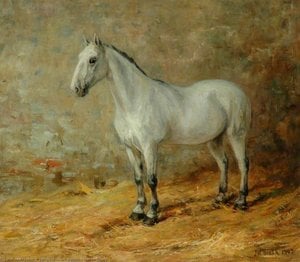
StatsPloughing
 1899
1899 61.0 x 92.0 cm
 Read More
Giclée / Art Print
Museum-quality giclée or canvas print with fast production and flexible finish options. ( Buy Hand Made Painting Switch to Digital Image)




































Pick from our preset sizes that match the artwork's original proportions.

Type the width and the height you need, to fit your frame or your wall. A print can only be cut, never made bigger than the picture, so a size with a different shape loses a part of the image. We send you a digital mockup to approve before we print anything. The picture shown on this page does not show the real cut — only the mockup does.
Worldwide Delivery () in 2 weeks instead of standard 4/5 weeks. (22 October)

Free Worldwide Express Shipping

High-Quality Linen Canvas

Full Shipping Insurance

Customs Tax Refund Guarantee

True Color Matching Guarantee

100-Day Return Policy (Defects Only)

100% Money-Back Guarantee

Bulk Discount Offer
 Glass option is only available in size under 110 CM

Ploughing
Giclée / Art Print
Reproduction Size
-


Total Price
$ 63
Related Artworks


Artist Biography
A Life Rooted in the English Countryside
James William Booth (1867-1953) wasn’t a name that immediately resonates with the grand halls of art history, yet his canvases hold a quiet power—a profound connection to the rugged beauty of North Yorkshire. Born in Manchester, England, into a family steeped in theatrical tradition – his father and brothers were renowned actors – Booth's early life was far removed from the tranquil landscapes he would later immortalize on canvas. His upbringing amidst the bustling world of the stage instilled in him an appreciation for performance, observation, and a keen eye for detail, qualities that undoubtedly informed his artistic approach. The influence of his theatrical lineage is subtle but present; Booth’s paintings possess a certain dramatic quality, a sense of narrative captured within the frame, mirroring the storytelling inherent in theatre.
His family moved to Scalby, Scarborough, Yorkshire, in 1893, establishing a home near the coast. This move proved pivotal, providing him with direct access to the very subjects that would become his lifelong obsession: the dramatic coastline, the rolling hills, and the humble rural life of North Yorkshire. Booth’s early years were marked by a deep immersion in the local environment, absorbing its rhythms, textures, and light – elements he would later translate onto his canvases with remarkable skill.
The Staithes Group and Artistic Influences
Booth's artistic journey truly took shape through his association with the Staithes Group, a collective of artists who gathered in the small fishing village of Staithes on the Yorkshire coast. This group, comprised primarily of Fred Jackson, Laura Knight, Harold Knight, and others, represented a significant shift away from the academic traditions of the time. The Staithes Group championed a more direct, expressive approach to painting – capturing the essence of their subjects rather than meticulously replicating them. Jackson’s influence was particularly strong; his emphasis on capturing fleeting moments of light and atmosphere profoundly impacted Booth's style.
Booth’s artistic development was also shaped by the broader trends of British Impressionism and Realism. He admired the work of artists like Constable, whose atmospheric landscapes had a lasting impact, and the meticulous detail of artists such as George Washington Hunt. However, unlike many of his contemporaries, Booth avoided overly sentimental depictions, instead focusing on portraying the harsh realities and enduring beauty of the North Yorkshire countryside with unflinching honesty.
A Palette of Light and Texture
Booth’s technique is characterized by a remarkable sensitivity to light and texture. He employed loose, expressive brushstrokes – often applied in thick impasto – to capture the ruggedness of the landscape and the tactile qualities of its materials. His use of color was equally deliberate; he favored muted earth tones—ochres, browns, greens, and blues—to evoke the atmosphere of North Yorkshire. He wasn’t interested in creating photographic representations but rather in conveying a sense of mood and feeling through his paintings.
His compositions are often dominated by expansive vistas, capturing the vastness of the moorland and the drama of the coastline. He frequently depicted scenes of rural life—farmers working their fields, horses grazing in open meadows, and fishermen returning from the sea—offering a poignant glimpse into the lives of ordinary people. Booth’s paintings are not merely landscapes; they are windows into a bygone era, imbued with a sense of nostalgia and quiet contemplation.
Notable Works and Lasting Legacy
Among Booth's most celebrated works are “Homeward Bound,” depicting a solitary figure returning from the sea, and "Carting Sand," which captures a dramatic coastal scene with loose brushstrokes and textured oil paint. These paintings exemplify his ability to convey both the beauty and the harshness of the North Yorkshire landscape. His work was exhibited at the Manchester Academy, the Royal Cambrian Academy, and the Walker Art Gallery in Liverpool, solidifying his reputation as a leading artist of his time.
Booth’s legacy extends beyond his individual paintings. He played a crucial role in fostering a vibrant artistic community in North Yorkshire, inspiring generations of artists to explore the region's unique landscapes. His work continues to be appreciated for its honesty, sensitivity, and profound connection to the spirit of the English countryside. Today, his paintings can be found in public collections across England, offering viewers a timeless glimpse into the beauty and resilience of North Yorkshire.

James William Booth
1867 - 1953
Quick Facts
- Artistic Movement Or Style: Realist Painting
- Artists Or Movements Influenced By This Artist: ['British Impressionism']
- Artists Who Influenced This Artist: ['Elias Bancroft']
- Date Of Birth: 1867
- Date Of Death: 1953
- Full Name: James William Booth
- Nationality: British
- Notable Artworks:
- Homeward Bound
- Carting Sand
- Ploughing Horse
- Place Of Birth: Manchester, England