


 Preview
 Send
Send Share
Share
 Details
 Guide
Guide

 Download
 Similars
 X-Ray
X-Ray Diaporama
 Stats
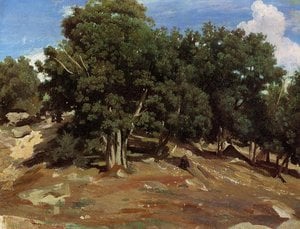
StatsWindsor Forest
 Read More
Giclée / Art Print
Museum-quality giclée or canvas print with fast production and flexible finish options. ( Buy Hand Made Painting Switch to Digital Image)




































Pick from our preset sizes that match the artwork's original proportions.

You may enter your own dimensions to fit a specific frame or space. If your selected size does not match the original image's proportions, we will either crop the artwork or extend the image with a mirrored or solid-fill edge. A digital mockup will be sent for your approval before production begins.
Please note that the on-screen preview does not reflect the actual cropping or extension. Only the mockup will accurately show the final composition.
While custom sizes are available, we recommend selecting a dimension from the predefined list to preserve the original proportions.
Worldwide Delivery () in 2 weeks instead of standard 4/5 weeks. (10 October)

Free Worldwide Express Shipping

High-Quality Linen Canvas

Full Shipping Insurance

Customs Tax Refund Guarantee

True Color Matching Guarantee

100-Day Return Policy (Defects Only)

100% Money-Back Guarantee

Bulk Discount Offer
 Glass option is only available in size under 110 CM

Windsor Forest
Giclée / Art Print
Reproduction Size
-


Total Price
$ 63
Related Artworks




Artist Biography
James Stark: A Leading Figure of the Norwich School
- Born: Norwich, United Kingdom (1794)
- Died: 1859
James Stark was a prominent English landscape painter and a key member of the Norwich School of painters. His career spanned several decades, marked by periods of both acclaim and financial struggle. He served as Vice-President (1828) and President (1829) of the Norwich Society of Artists, demonstrating his standing within the artistic community.
Early Life and Training
- Family Background: Born in Norwich, Stark was the youngest son of Michael Stark, a dye manufacturer known for inventing 'Norwich red'. His father's background included literary and scientific pursuits.
- Education & Apprenticeship: He attended Norwich School and formed a friendship with John Berney Crome. In 1811, he began an apprenticeship under the elder John Crome, a pivotal influence on his artistic development.
- Early Exhibitions: Stark’s talent was evident early; he exhibited works in London as early as 1811 and at the British Institution between 1814 and 1818.
Artistic Development and Influences
- London Period & William Collins: Following his apprenticeship, Stark moved to London in 1814 where he befriended artist William Collins, who influenced his style. He studied at the Royal Academy from 1817.
- Return to Norwich and River Scenes: Ill health prompted a return to Norwich around 1819, where he resided for nearly twenty years. This period saw him focus on depicting the Norfolk countryside, culminating in the publication of *Scenery of the Rivers of Norfolk* (1834), a collection of etchings based on his paintings.
- Dutch Masters Influence: Stark’s early works often reflected a strong influence from 17th-century Dutch masters, particularly in their depiction of woodland scenes and atmospheric detail.
- Evolution of Style: His work during the 1830s showed a shift towards greater freshness and appeal to critics, moving beyond simple imitation of earlier styles.
Major Works and Achievements
- Scenery of the Rivers of Norfolk (1834): This ambitious project showcased Stark’s skill as both a painter and an engraver, though it proved financially unsuccessful despite critical acclaim.
- Norwich School Contributions: As a leading member of the Norwich School, Stark helped define its distinctive style – characterized by realistic depictions of the Norfolk landscape and a focus on capturing atmospheric effects.
- Exhibitions: He consistently exhibited his work at prestigious venues like the Royal Academy and the British Institution throughout his career.
Historical Significance
- Norwich School Legacy: Stark’s contribution to the Norwich School cemented its place in British art history, demonstrating a regional artistic movement that valued observation and authentic representation of the local landscape.
- Influence on Later Artists: His work influenced subsequent generations of landscape painters who sought to capture the beauty and character of the English countryside.
- Preservation of Norfolk’s Landscape: Stark's paintings serve as valuable historical records, documenting the appearance of Norfolk’s rivers and landscapes in the 19th century.

James Stark
1794 - 1859 , United Kingdom
Quick Facts
- Full Name: James Stark
- Nationality: English
- Date Of Birth: 1794
- Date Of Death: 1859
- Place Of Birth: Norwich, United Kingdom
- Notable Artworks:
- Whitlingham From Old Thorpe Grove
- Road Scene At Intwood
- Carrow Bridge, Norwich
- Cows At A Watering Place
- View On The Yare Near Thorpe Church
- Artistic Movement Or Style: Norwich School
- Artists Who Influenced This Artist:
- John Crome
- William Collins


