Preview
 Send
Send Share
Share
 Details
 Guide
Guide

 Download
 Similars
 X-Ray
X-Ray Diaporama
 Stats
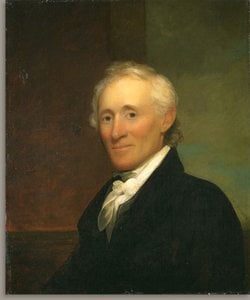
StatsJonathan Brooks

 Read More
Giclée / Art Print
Museum-quality giclée or canvas print with fast production and flexible finish options. ( Buy Hand Made Painting Switch to Digital Image)




P118B $10

P118H $10

P118W $10

P438Z $10

P508JH $12

P508YH $12

P805H $10

P805Z $10

P919BZ $10

P919G $10

P919XJ $10

P959ZH $10

P968JZ $12

W106C $8

W218G $10

W218JH $8

W218Y $10

W307PJ $10

W316G $10

W316PJ $8

W316Y $10

W398PJ $8

W4111J $10

W500HY $15

W500JH $15

W692G $12

W849H $8

W940BG $15

W953PJ $8




Pick from our preset sizes that match the artwork's original proportions.

You may enter your own dimensions to fit a specific frame or space. If your selected size does not match the original image's proportions, we will either crop the artwork or extend the image with a mirrored or solid-fill edge. A digital mockup will be sent for your approval before production begins.
Please note that the on-screen preview does not reflect the actual cropping or extension. Only the mockup will accurately show the final composition.
While custom sizes are available, we recommend selecting a dimension from the predefined list to preserve the original proportions.
Worldwide Delivery () in 2 weeks instead of standard 4/5 weeks. (25 September)

Free Worldwide Express Shipping

High-Quality Linen Canvas

Full Shipping Insurance

Customs Tax Refund Guarantee

True Color Matching Guarantee

100-Day Return Policy (Defects Only)

100% Money-Back Guarantee

Bulk Discount Offer
 Glass option is only available in size under 110 CM

Jonathan Brooks
Giclée / Art Print
Reproduction Size
-


Total Price
$ 63
Related Artworks


Artist Biography
A Life Dedicated to Likeness: The World of James Frothingham
James Frothingham, born in Charlestown, Massachusetts, in 1786, occupies a fascinating, if often understated, position within the landscape of early 19th-century American portraiture. His story is one of dedication to craft, nurtured by both practical beginnings and the discerning eye of a master – Gilbert Stuart. Unlike many artists who followed a purely academic path from youth, Frothingham’s initial training took place not in an art academy, but within his father's chaise manufactory. This early immersion in craftsmanship instilled in him a meticulous attention to detail, a quality that would become a hallmark of his artistic style. It was a grounding in precision and form that subtly informed the way he approached capturing the human figure on canvas. However, this practical apprenticeship did not quell an innate artistic ambition; Frothingham sought formal instruction, eventually becoming a student under the renowned Gilbert Stuart in Boston.The Shaping Influence of Gilbert Stuart
Stuart’s impact on Frothingham was profound. The elder artist famously recognized his pupil's talent for capturing likenesses, declaring that none in Boston could rival Frothingham’s ability to render a convincing head. While initially advised by Stuart to pursue a more financially secure profession – a common concern for artists at the time – Frothingham persevered, benefiting immensely from Stuart’s critiques and encouragement. This mentorship wasn't merely technical; it was an immersion into the art of psychological insight within portraiture. Stuart didn’t simply teach *how* to paint a face, but how to reveal something of the sitter’s character through subtle nuances of expression and pose. Frothingham absorbed these lessons well, developing a refined realism that prioritized accurate representation alongside a delicate understanding of his subjects' inner lives. His style evolved as a testament to Stuart’s teachings, yet it wasn’t merely imitation; Frothingham forged his own path within the established conventions of portraiture.Establishing a Reputation: Boston and Beyond
Frothingham quickly established himself as a sought-after portraitist in the Boston area, painting members of prominent families and solidifying his reputation through skillful execution and an ability to flatter without sacrificing truthfulness. In 1826, he expanded his horizons by relocating to Brooklyn, New York City, broadening both his clientele and artistic reach. This move signaled a desire for greater opportunity and exposure within the burgeoning art scene of the nation’s most dynamic city. Among his notable works are portraits of Samuel Dexter – admired for its harmonious color palette despite a somewhat reserved flesh tone – Elias Hasket Derby, Lucia Pickering, and Jonathan Brooks. Each portrait stands as a testament to Frothingham's skill in capturing not just physical appearance but also a sense of the sitter’s social standing and personality. His portraits weren’t simply records; they were statements about identity and place within society.Recognition and Legacy
Frothingham’s talent didn’t go unnoticed by the artistic establishment. In 1828, he was elected an associate member of the National Academy of Design, a significant achievement that acknowledged his growing stature within the American art world. By 1831, he had attained full academician status, further solidifying his position and influence. He himself became a subject for artistic representation, immortalized in a portrait bust created by sculptor Joanna Quiner; in turn, Frothingham reciprocated with a portrait of Quiner, now held at the Beverly Public Library – a charming exchange between two artists recognizing each other’s talent. While contemporaries like Chester Harding also flourished during this period, Frothingham carved out his own niche through his unwavering commitment to meticulous realism and his dedication to portraying the elite of Massachusetts and New York society. His work provides invaluable insights into the lives and appearances of prominent individuals during a pivotal era in American history.A Lasting Impression
James Frothingham’s legacy lies not in revolutionary innovation, but in his consistent mastery of portraiture. His paintings serve as important historical documents, capturing physical likenesses alongside subtle cues about the social values and aesthetic preferences of his time. He wasn't striving for dramatic effect or groundbreaking stylistic departures; instead, he focused on perfecting the art of representation, offering a window into the world of early 19th-century America through the faces of its leading citizens. His dedication to capturing not just what was seen, but also what was felt, ensures that his work continues to resonate with art historians and collectors today. Frothingham’s portraits are a testament to the power of observation, skill, and a deep understanding of the human form – qualities that endure long after the sitters themselves have faded into history.
James Frothingham
1786 - 1864 , United States of America
Quick Facts
- Artistic Movement Or Style: Realistic portraiture
- Artists Who Influenced This Artist: ['Gilbert Stuart']
- Date Of Birth: 1786
- Date Of Death: 1864
- Full Name: James Frothingham
- Nationality: American
- Notable Artworks:
- Samuel Dexter
- Elias Hasket Derby
- Lucia Pickering
- Jonathan Brooks
- Place Of Birth: Charlestown, USA
Related Articles

Whistler's Masterpieces: Explore 25 Iconic Paintings & Aesthetic Art for Your Home
Journey through 25 iconic James Abbott McNeill Whistler paintings! Explore his masterpieces of Aestheticism, from 'Nocturne in Black and Gold' to captivating portraits. Find museum-quality art reproductions & elevate your home decor with ArtsDot.com. Discover the full collection online.
Sir Alfred Munnings' Masterpieces: 25 Paintings That Define Equine Art | ArtsDot
Explore 25 iconic Sir Alfred Munnings paintings! Discover the beauty of British Impressionism, equine art & rural England. Find museum-quality reproductions and elevate your home decor with ArtsDot. Explore the full collection online.

The Enduring Legacy of Oil on Canvas: Technique, History & Aesthetic Impact
Explore the rich history & techniques of oil painting – from Renaissance masters to Impressionism. Discover pigments, layering methods, and why this timeless medium endures. Expert insights for artists & art enthusiasts.

19th Century Masterpieces: 10 Paintings That Defined an Era | ArtsDot
Journey through 19th century art with ArtsDot! Explore 10 iconic paintings – from Monet & Renoir to Courbet – and discover the stories behind Romanticism, Realism & Impressionism. Find museum-quality reproductions for your home decor. Explore the full collection online!

Crimson Threads of Narrative: Exploring Symbolism & Representation in Artworks Featuring the Red Dress
Explore the rich symbolism of the red dress in art history! From ancient power displays to iconic portraits like Cézanne’s 'Madame Cezanne', discover the cultural and artistic significance behind this captivating color. Expert analysis & insights.