

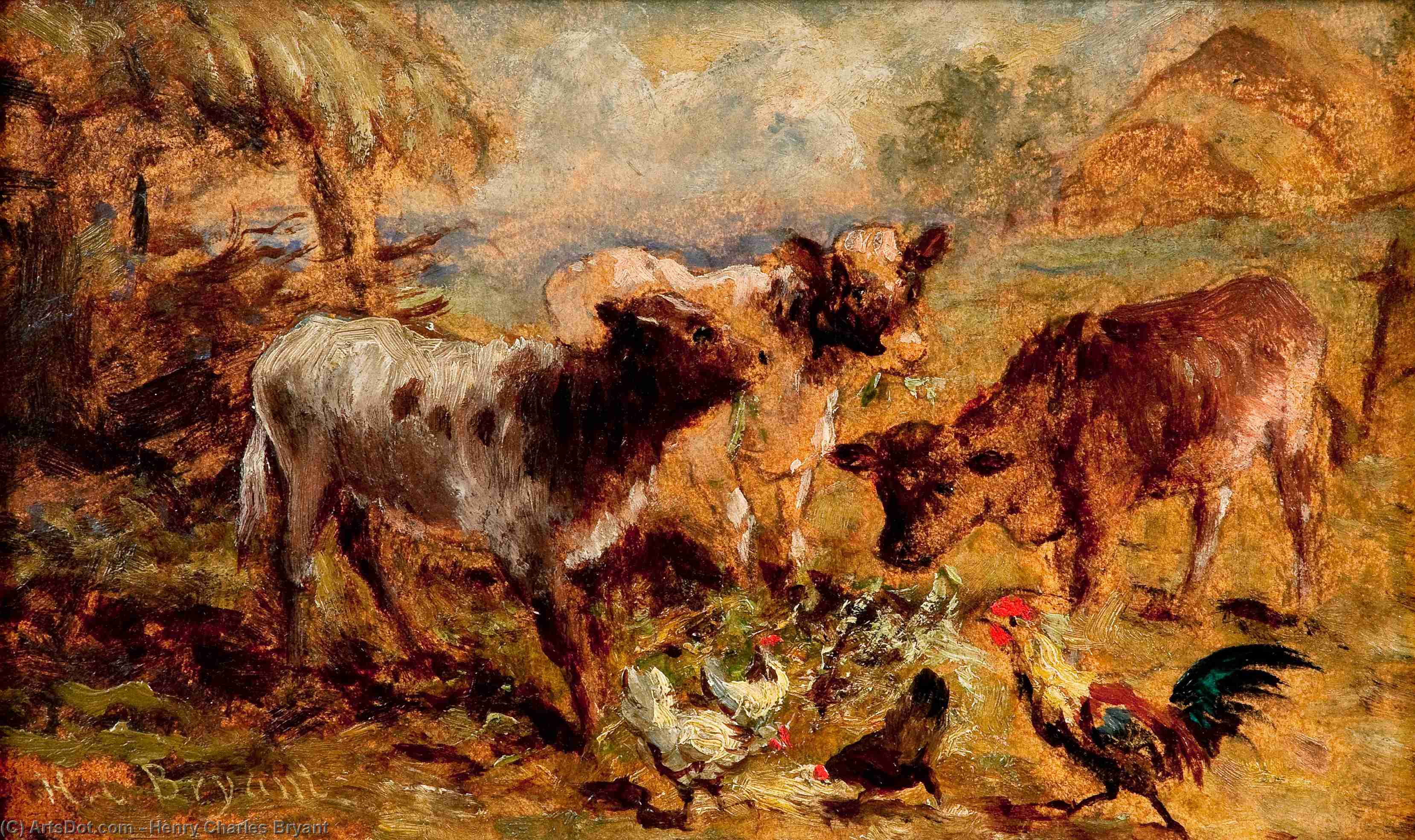
 Preview
 Send
Send Share
Share
 Details

 Download
 Similars
 X-Ray
X-Ray Diaporama
Animals
 Read More
Giclée / Art Print
Museum-quality giclée or canvas print with fast production and flexible finish options. ( Buy Hand Made Painting Buy Image)




































Pick from our preset sizes that match the artwork's original proportions.

You may enter your own dimensions to fit a specific frame or space. If your selected size does not match the original image's proportions, we will either crop the artwork or extend the image with a mirrored or solid-fill edge. A digital mockup will be sent for your approval before production begins.
Please note that the on-screen preview does not reflect the actual cropping or extension. Only the mockup will accurately show the final composition.
While custom sizes are available, we recommend selecting a dimension from the predefined list to preserve the original proportions.
Worldwide Delivery () in 2 weeks instead of standard 4/5 weeks. (15 August)

Free Worldwide Express Shipping

High-Quality Linen Canvas

Full Shipping Insurance

Customs Tax Refund Guarantee

True Color Matching Guarantee

60-Day Return Policy (Defects Only)

100% Money-Back Guarantee

Bulk Discount Offer
 Glass option is only available in size under 110 CM

Animals
Giclée / Art Print
Reproduction Size
-


Total Price
$ 63
Related Artworks


Artist Biography
A Life Immersed in Detail: The World of Henry Charles Bryant
Henry Charles Bryant, a name resonating quietly within the annals of 19th-century British art, was an artist dedicated to capturing the essence of everyday life with remarkable precision. Born in Birmingham in 1835, Bryant carved a niche for himself as a painter of farmyard and market scenes, works that stand as compelling glimpses into Victorian England’s rural and commercial heartbeats. Though his life was tragically cut short at the age of 49 in January 1915, at his home on Derby Road, Portsmouth, he left behind a body of work highly prized for its realism and meticulous attention to detail – qualities that continue to captivate collectors today.Early Career and Artistic Development
Bryant’s artistic journey unfolded primarily within the bustling art scene of London and the coastal city of Portsmouth. He was a consistent exhibitor, presenting his canvases regularly at prestigious venues like the Royal Academy, the British Institution, and the Royal Society of British Artists between 1860 and 1880. This sustained presence speaks to a dedicated professional life, one focused on honing his skills and establishing a reputation amongst discerning audiences. While specific details regarding his formal training remain somewhat elusive, the influence of earlier Realist painters is palpable in his work. He wasn’t striving for grand historical narratives or idealized landscapes; instead, Bryant turned his gaze towards the tangible world around him – the textures of weathered wood, the vibrant colors of produce at market, and the lively interactions within a farmyard setting. His paintings weren't merely representations but intimate studies of light, form, and the character of ordinary existence.Themes and Techniques: A Celebration of the Commonplace
Bryant’s subject matter reveals a deep appreciation for the rhythms of rural life and the energy of commerce. Farmyards teem with activity – chickens scratching in the dirt, livestock milling about, farmers tending to their duties. Market scenes burst with color and movement, depicting vendors hawking their wares, customers examining produce, and the general bustle of trade. What sets Bryant’s work apart is not simply *what* he painted but *how* he painted it. He possessed an extraordinary ability to render detail – the sheen on a freshly polished apple, the wrinkles in a farmer's face, the individual feathers of a barnyard fowl. This commitment to realism wasn’t merely technical virtuosity; it was a way of imbuing his scenes with authenticity and life. His technique likely involved careful observation from life, combined with a skillful handling of oil paint to capture subtle variations in light and shadow. He aimed for verisimilitude, creating paintings that felt less like idealized depictions and more like windows into another time.Legacy and Historical Significance
Although not a household name on par with some of his contemporaries, Henry Charles Bryant occupies an important place within the context of 19th-century British art. His paintings offer valuable insights into the social and economic realities of Victorian England, providing a visual record of rural life and commercial activity that complements historical documentation.- His work reflects a broader trend towards Realism in painting, a movement that sought to depict subjects as they appeared in everyday life.
- The enduring popularity of his paintings demonstrates a continued appreciation for his technical skill and attention to detail.
- Bryant’s scenes offer a glimpse into the lives of ordinary people, providing a counterpoint to more grandiose historical or mythological themes prevalent in academic art.

henry charles bryant
1835 - 1915 , United Kingdom
Quick Facts
- Artistic Movement Or Style: Realism, Victorian art
- Date Of Birth: 1835
- Date Of Death: 1915
- Full Name: Henry Charles Bryant
- Nationality: English
- Notable Artworks:
- Farmyard scenes
- Market scenes
- Place Of Birth: Birmingham, UK



