


 Preview
 Send
Send Share
Share
 Details
 Guide
Guide

 Download
 Similars
 X-Ray
X-Ray Diaporama
 Stats
StatsCaryatids


 Read More
Giclée / Art Print
Museum-quality giclée or canvas print with fast production and flexible finish options. ( Buy Hand Made Painting Switch to Digital Image)




P118B $10

P118H $10

P118W $10

P438Z $10

P508JH $12

P508YH $12

P805H $10

P805Z $10

P919BZ $10

P919G $10

P919XJ $10

P959ZH $10

P968JZ $12

W106C $8

W218G $10

W218JH $8

W218Y $10

W307PJ $10

W316G $10

W316PJ $8

W316Y $10

W398PJ $8

W4111J $10

W500HY $15

W500JH $15

W692G $12

W849H $8

W940BG $15

W953PJ $8




Pick from our preset sizes that match the artwork's original proportions.

Type the width and the height you need, to fit your frame or your wall. A print can only be cut, never made bigger than the picture, so a size with a different shape loses a part of the image. We send you a digital mockup to approve before we print anything. The picture shown on this page does not show the real cut — only the mockup does.
Worldwide Delivery () in 2 weeks instead of standard 4/5 weeks. (24 October)

Free Worldwide Express Shipping

High-Quality Linen Canvas

Full Shipping Insurance

Customs Tax Refund Guarantee

True Color Matching Guarantee

100-Day Return Policy (Defects Only)

100% Money-Back Guarantee

Bulk Discount Offer
 Glass option is only available in size under 110 CM

Caryatids
Giclée / Art Print
Reproduction Size
-


Total Price
$ 63
A Silent Symphony in Stone: Unveiling Germain Pilon’s Caryatids
Germain Pilon's "Caryatids" – a pair of monumental sculptures depicting these iconic female figures supporting architectural weight – transcend mere representation; they embody the very spirit of Renaissance Florence. Crafted around 1560, during a period of burgeoning artistic innovation and fervent religious devotion, these works are not simply static forms but rather eloquent expressions of classical ideals interwoven with deeply felt human emotion. Pilon’s mastery lies in his ability to capture both the idealized beauty of antiquity and the subtle nuances of individual character within the rigid framework of Renaissance sculpture.
The sculptures themselves, carved from pristine white marble – a material prized for its luminosity and capacity to convey texture – present a striking visual narrative. The central Caryatid commands attention with her serene expression, a quiet dignity that speaks volumes despite the absence of overt gesture. Her drapery, rendered with meticulous detail, cascades in graceful folds, suggesting both movement and an underlying sense of repose. The two flanking figures, though smaller in scale, mirror this composure, creating a harmonious composition rooted in symmetry yet imbued with individual presence. The subtle use of gold leaf on the headdresses – a hallmark of Pilon’s style – provides a delicate contrast against the cool marble tones, drawing the eye and adding a touch of opulent splendor.
The Legacy of Fontainebleau: Style and Technique
Pilon's "Caryatids" are firmly rooted in the artistic currents flowing from the prestigious workshop of Jean Goujon at the Château de Fontainebleau. This royal atelier, renowned for its revival of classical forms and techniques, profoundly influenced Pilon’s approach to sculpture. The influence is evident in the sculptures’ balanced proportions, their refined drapery – a hallmark of Fontainebleau style – and their overall sense of elegance and restraint. However, Pilon departs from a purely imitative stance, injecting his own distinctive sensibility into the work.
Technically, Pilon demonstrates an exceptional command of marble carving. The surfaces are remarkably smooth, yet retain a palpable sense of texture achieved through careful polishing and subtle variations in chisel marks. The drapery is particularly noteworthy for its fluidity and realism; each fold and pleat appears to possess a life of its own, conveying both the weight of the fabric and the movement of the figure beneath. The meticulous attention to anatomical detail – evident in the hands, feet, and torsos – speaks to Pilon’s deep understanding of human form.
Symbolism and Historical Context
The Caryatids themselves are not merely decorative elements; they carry profound symbolic weight. Originating as architectural supports for a monumental tomb, their function immediately connects them to themes of memory, eternity, and the passage of time. Within the context of 16th-century Florence, where powerful families commissioned elaborate funerary monuments to commemorate their deceased ancestors, these sculptures served as potent reminders of lineage and legacy. The bird motif adorning the headdresses – a recurring element in Pilon’s work – may symbolize freedom, divinity, or perhaps even the soul ascending to heaven.
Furthermore, Pilon's work reflects the broader cultural landscape of Renaissance Italy, where classical antiquity was experiencing a fervent revival. The rediscovery of Greek and Roman art and literature fueled a renewed interest in humanism, reason, and beauty. Pilon’s "Caryatids" embody these values, celebrating the ideal forms and harmonious proportions of the ancient world while simultaneously expressing the emotional depth and psychological complexity of the Renaissance spirit.
A Timeless Masterpiece: Reproduction and Beyond
Germain Pilon's “Caryatids” remain a testament to the enduring power of classical art. Reproductions, meticulously crafted by skilled artisans using traditional techniques, offer an unparalleled opportunity to experience the beauty and grandeur of this iconic masterpiece. Whether adorning a grand salon or a private residence, these reproductions capture not only the visual splendor of the original sculptures but also the profound sense of history, symbolism, and emotional resonance that they evoke.
Questions & Answers
Where should a reproduction of "Caryatids" by Germain Pilon be hung?
With its tall shape, a reproduction of "Caryatids" is suggested for a living room.
When was "Caryatids" made?
"Caryatids" by Germain Pilon was created in 1560.
What use is suggested for "Caryatids" by Germain Pilon?
The recommended use of a print of "Caryatids" is statement.
Related Artworks


Artist Biography
Germain Pilon (1528–1590): The Sculptor of Emotion and Fontainebleau
Germain Pilon stands as one of the most prominent figures in French Renaissance sculpture, bridging the gap between Gothic tradition and Baroque grandeur. Born around 1525 in Paris—though recent scholarship suggests a birth year closer to 1528—he inherited his artistic talent from his father, Antoine Pilon, who established a workshop specializing in sculptural commissions. This familial legacy profoundly shaped Pilon’s formative years, immersing him in the techniques and aesthetics of the era. Early documentation indicates collaborative projects with his father on monumental religious statues and tomb effigies, demonstrating an immediate engagement with the prevailing artistic currents of the time.- Early Training & Collaboration: Antoine Pilon's workshop provided Pilon with invaluable experience in crafting stone sculptures, fostering a mastery that would define his entire career. The collaborative endeavors showcased a keen understanding of sculptural craftsmanship and established a foundation for future achievements.
- The Fontainebleau School Influence: Like many sculptors of his generation, Pilon was deeply impacted by the Fontainebleau School—Michelangelo’s workshop—which championed anatomical accuracy and theatrical emotion. This influence is palpable in his subsequent works, where figures are rendered with remarkable realism and imbued with expressive gestures that convey profound psychological depth.
Notable Commissions & Artistic Style
Pilon quickly gained recognition for his exceptional skill and artistic vision. His involvement in the decoration of Francis I’s tomb at Saint-Denis—a project undertaken alongside Jean Goujon—marked a pivotal moment, solidifying his reputation as one of France's foremost sculptors. This monumental undertaking exemplifies Pilon’s commitment to capturing the grandeur and solemnity of religious iconography while simultaneously exploring innovative sculptural techniques. Subsequent commissions included Henry II’s tomb at Saint-Denis (completed in 1564), a testament to his ability to translate complex narratives into compelling visual representations.- Saint Denis Tomb: The Saint Denis Tomb is considered one of Pilon's masterpieces, showcasing his mastery of marble carving and embodying the Fontainebleau School’s emphasis on anatomical precision and dramatic emotion.
- Diana & Stag Relief: The Diana and Stag relief—commissioned for Diane de Poitiers—is a striking example of Pilon’s sculptural style, characterized by rough textures and expressive poses that convey a sense of dynamism and psychological intensity.
Major Achievements & Legacy
Pilon's contribution to French art extended beyond monumental tombs; he excelled in portrait sculpture and medal design, producing evocative representations of royalty and nobility. His bronze busts of Henry II and Catherine de Medici—particularly the latter—remain iconic symbols of Renaissance elegance and artistic accomplishment. Furthermore, Pilon’s involvement with Pierre Bontemps fostered a collaborative spirit that enriched the artistic landscape of Paris during his lifetime. He became renowned for his ability to capture the essence of human emotion within sculpted form, establishing himself as a champion of Mannerist aesthetics. His influence can be seen in subsequent generations of sculptors who embraced realism and theatricality—a legacy that continues to inspire admiration and scholarly study today.Key Works
- Resurrection of Christ (Louvre)
- Diana with a Stag (Louvre)
- Tomb of Henry II and Catherine de Medici (Saint-Denis Basilica)
- The Lamentation (Bronze Sculpture)
Germain Pilon’s sculptures stand as enduring monuments to the Renaissance spirit—a testament to artistic innovation, technical virtuosity, and a profound engagement with human emotion.

Germain Pilon
1528 - 1590 , France
Quick Facts
- Artistic Movement Or Style: French Renaissance, Fontainebleau School
- Artists Who Influenced This Artist:
- Antoine Pilon
- Michelangelo
- Full Name: Germain Pilon
- Nationality: French
- Notable Artworks:
- Caryatids
- The Virgin of Sorrows
- Monument to René de Biraghe
- Place Of Birth: Paris, France
- Date Of Birth: 1528
- Date Of Death: 1590
Related Articles

Bronze Sculptures That Defined Art History | ArtsDot
Journey through art history with our Top 10 bronze sculptures! Explore masterpieces by Rodin, Michelangelo & more. Discover stories behind iconic statues and find museum-quality reproductions for your home decor at ArtsDot.com.

The Enduring Form: Sculpture Across History, Technique & Emotional Resonance
Explore the rich history of sculpture with ArtsDot. Discover key techniques, influential artists & investment potential for discerning collectors. Expert insights into valuing and collecting timeless masterpieces.

The Enduring Form: Exploring Themes & Techniques in Sculpture Across Historical Periods
Explore the rich history of sculpture from ancient masterpieces to contemporary innovations. Discover key techniques, influential artists & investment potential for discerning art collectors.

The Enduring Legacy of Marble: A Comprehensive Exploration of Technique, Symbolism & Artistic Expression
Explore the rich history of marble sculpture from antiquity to the Renaissance! Discover key techniques, influential artists & enduring themes in classical art. Expert insights for collectors and enthusiasts at ArtsDot.
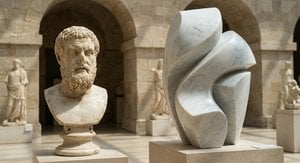
The Enduring Allure of Marble in Art History: From Classical Sculpture to Modern Abstraction
Explore the captivating history of marble sculpture from ancient Greece to modern art. Discover renowned artists like Canova & Michelangelo, carving techniques, and investment insights at ArtsDot.


