

 Preview
 Send
Send Share
Share
 Details
 Guide
Guide

 Download
 Similars
 X-Ray
X-Ray Diaporama
 Stats
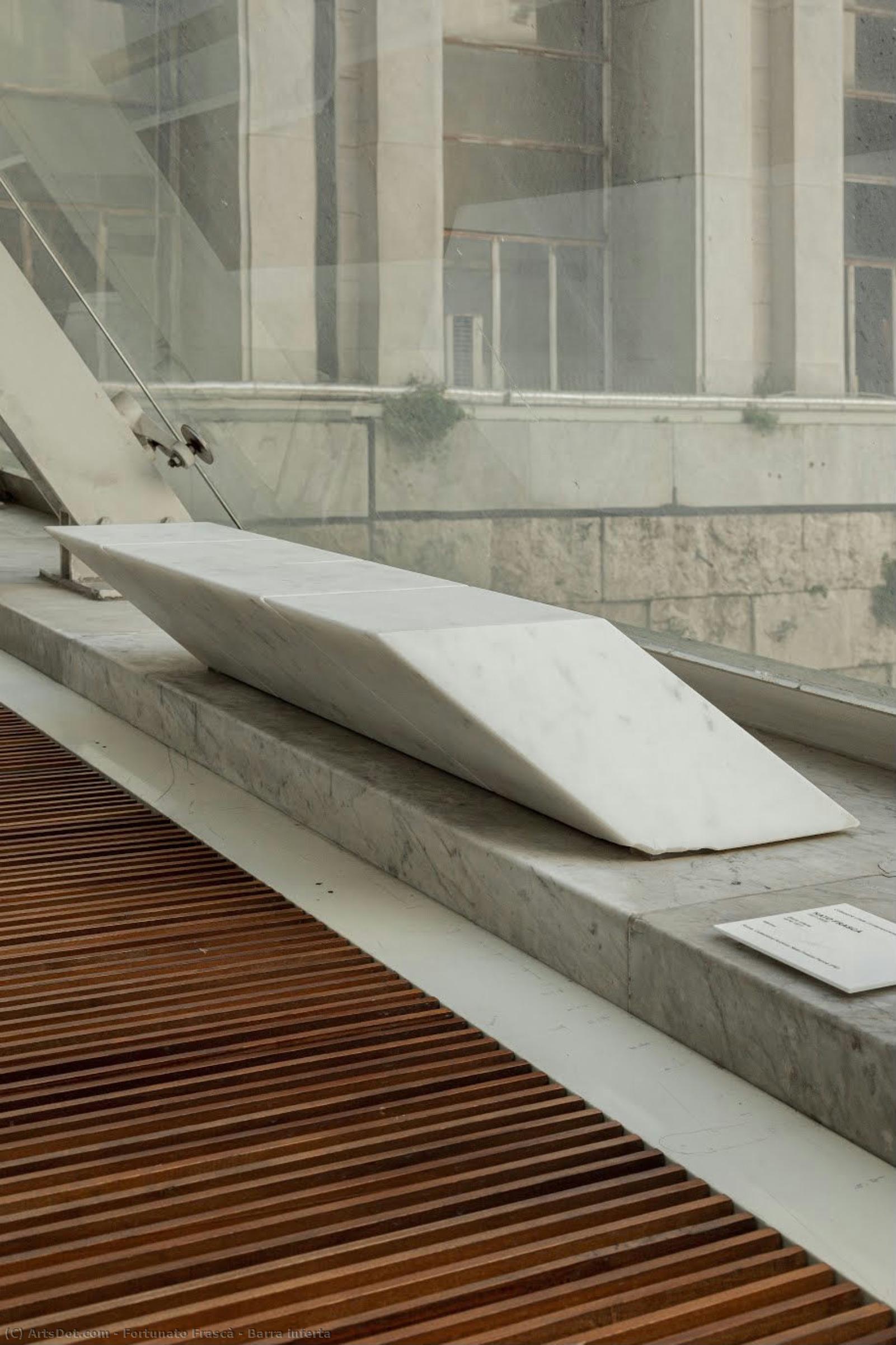
StatsBarra inferta
 120.0 x 50.0 cm
 Ministero degli Affari Esteri e della Cooperazione Internazionale. Collezione Farnesina
 Read More
Giclée / Art Print
Museum-quality giclée or canvas print with fast production and flexible finish options. ( Buy Hand Made Painting Switch to Digital Image)




































Pick from our preset sizes that match the artwork's original proportions.

You may enter your own dimensions to fit a specific frame or space. If your selected size does not match the original image's proportions, we will either crop the artwork or extend the image with a mirrored or solid-fill edge. A digital mockup will be sent for your approval before production begins.
Please note that the on-screen preview does not reflect the actual cropping or extension. Only the mockup will accurately show the final composition.
While custom sizes are available, we recommend selecting a dimension from the predefined list to preserve the original proportions.
Worldwide Delivery () in 2 weeks instead of standard 4/5 weeks. (26 September)

Free Worldwide Express Shipping

High-Quality Linen Canvas

Full Shipping Insurance

Customs Tax Refund Guarantee

True Color Matching Guarantee

100-Day Return Policy (Defects Only)

100% Money-Back Guarantee

Bulk Discount Offer
 Glass option is only available in size under 110 CM

Barra inferta
Giclée / Art Print
Reproduction Size
-


Total Price
$ 63
Related Artworks


Artist Biography
Fortunato Frascà: Pioneer of Concrete Art and Architectural Vision
Fortunato Frascà (1931-2006) stands as a singular figure in Italian art history, recognized not only for his prolific painting output but also for his groundbreaking contributions to architectural design and the conceptual framework underpinning NATO’s Integrated Air Defense System. Born in Rome amidst the turbulent backdrop of World War II, Frascà's formative years instilled within him an unwavering dedication to artistic exploration and a profound engagement with societal challenges—a duality that would permeate his entire oeuvre.- Early Influences: Frascà’s artistic journey commenced under the mentorship of Piero Dorazio, a pivotal proponent of Concrete Art, whose minimalist aesthetic profoundly shaped Frascà's stylistic sensibilities. This exposure to Dorazio’s reductive approach—characterized by geometric forms and monochrome palettes—established a cornerstone for Frascà’s subsequent artistic endeavors.
- Concrete Art Movement: Frascà became an integral participant in the Concrete Art movement, actively collaborating with fellow artists like Piero Mazzetti and Cristiano Cesca. Together, they championed a radical departure from traditional representational art, prioritizing conceptual rigor and geometric abstraction as vehicles for conveying profound ideas about space and perception.
- Architectural Design: Beyond painting, Frascà excelled as an architect, designing innovative structures that reflected his artistic principles—particularly the Museo Nazionale Etrusco di Villa Giulia in Rome. His architectural designs prioritized simplicity, functionality, and a harmonious integration with the surrounding environment, mirroring the ethos of Concrete Art.
NATO’s Air Defense System: Conceptual Innovation
Frascà's involvement extended beyond visual arts into the realm of engineering and defense. He served as an artist and designer for NATO’s Integrated Air Defense System, tasked with crafting a visual language that communicated complex technological concepts in accessible ways. This project demanded a meticulous consideration of color psychology and spatial organization—skills honed through his artistic practice—resulting in striking graphic representations that effectively conveyed the system's operational capabilities.- Symbolic Representation: Frascà utilized geometric shapes and chromatic harmonies to symbolize the multifaceted nature of air defense, emphasizing stability, vigilance, and responsiveness. His designs aimed to instill confidence and convey a sense of technological mastery while maintaining an aesthetic coherence consistent with his broader artistic vision.
- Educational Significance: Frascà’s work on NATO underscored his commitment to fostering intellectual engagement and promoting understanding of scientific advancements. He believed that art could serve as a catalyst for disseminating knowledge and shaping public perception—a conviction reflected in his pedagogical pursuits throughout his career.
Notable Artwork Achievements
Frascà’s artistic output encompassed a diverse range of mediums and styles, demonstrating remarkable versatility. Among his most celebrated pieces are “Barra inferta” (Undercut Beam), a monumental sculpture embodying the movement's exploration of spatial relationships; and “San Fortunato,” a fresco depicting Saint Fortunatus Enthroned and The Establishment of the Manger at Greccio—a testament to his artistic skill and sensitivity to religious iconography. His paintings consistently showcased bold geometric forms, restrained color palettes, and meticulous attention to detail.- Critical Recognition: Frascà garnered widespread acclaim from critics and fellow artists alike, who lauded his pioneering spirit and unwavering dedication to pushing the boundaries of artistic expression. He was awarded numerous prizes and accolades throughout his career—a recognition of his enduring influence on Italian art and design.
Legacy and Influence
Fortunato Frascà’s legacy extends far beyond his individual artworks; he fundamentally reshaped the conceptual landscape of Concrete Art and championed a holistic approach to artistic practice—integrating visual arts, architecture, and engineering disciplines. His unwavering belief in the transformative power of art continues to inspire artists and designers today, cementing his place as one of Italy's most visionary figures in 20th-century art.
fortunato frascà
1931 - 2006 , Italy
Quick Facts
- Artistic Movement Or Style: Concrete Art
- Date Of Birth: January 21, 1931
- Date Of Death: April 1, 2006
- Full Name: Fortunato Frascà
- Nationality: Italian
- Notable Artworks: ['Barra inferta']
- Place Of Birth: Rome, Italy
