


 Preview
 Send
Send Share
Share
 Details
 Guide
Guide

 Download
 Similars
 X-Ray
X-Ray Diaporama
 Stats
StatsPicking blossoms

 Read More
Hand Made Oil Reproduction
Hand-painted oil on canvas in your size and frame, made to order by our artists. ( Switch to Print Switch to Digital Image)




P118B $10

P118H $10

P118W $10

P438Z $10

P508JH $12

P508YH $12

P805H $10

P805Z $10

P919BZ $10

P919G $10

P919XJ $10

P959ZH $10

P968JZ $12

W106C $8

W218G $10

W218JH $8

W218Y $10

W307PJ $10

W316G $10

W316PJ $8

W316Y $10

W398PJ $8

W4111J $10

W500HY $15

W500JH $15

W692G $12

W849H $8

W940BG $15

W953PJ $8




Pick from our preset sizes that match the artwork's original proportions.

Type the width and the height you need, to fit your frame or your wall. This is hand-painted, so for a size with a different shape the artist can paint a bit more around the picture, or cut a bit — you choose. We send you a digital mockup to approve before the painting starts. The picture shown on this page does not show the real result — only the mockup does.
After order, ArtsDot.com team will email client for instructions and provide a mockup preview
Worldwide Delivery () in 3/4 weeks instead of standard 5 weeks. (22 October). No compromise on quality.

Free Worldwide Express Shipping

High-Quality Linen Canvas

Full Shipping Insurance

Customs Tax Refund Guarantee

True Color Matching Guarantee

100-Day Return Policy (Defects Only)

100% Money-Back Guarantee

Bulk Discount Offer
 Glass option is only available in size under 110 CM

Picking blossoms
Reproduction Medium
Reproduction Size
-


Total Price
$ 263
Emile Claus: The Painter of Light and Lys
Emile Claus (1849-1924) stands as the undisputed champion of Belgian Impressionism, an artist whose canvases radiate with a luminosity that continues to captivate audiences today. Born in Sint-Eloois-Vijve, a village cradled by the serene River Lys in West Flanders, Belgium, Claus’s formative years instilled in him a grounding practicality—a stark contrast to the artistic pursuits that would ultimately define his life’s trajectory.
Despite initial reservations from his father regarding a career devoted to art, Claus persevered thanks to the unwavering encouragement of his teacher, Gustave Courbet, who recognized and nurtured his burgeoning talent. This pivotal connection propelled him beyond familial expectations and toward fulfilling his artistic destiny. Beginning with humble lessons at Waregem Academy—a three-kilometer pilgrimage undertaken every Sunday—Claus honed his drawing skills, laying the foundation for a revolutionary approach to painting.
The Luminist Style: Pioneering Atmospheric Impressionism
Claus’s distinctive style emerged from Courbet's influence and quickly established itself as Luminism – a movement that prioritized capturing the subtle nuances of atmospheric light and color. Unlike his contemporaries who sought to depict fleeting moments with vibrant hues, Claus meticulously rendered landscapes bathed in diffused sunlight, prioritizing tonal gradations over bold brushstrokes.
This technique—characterized by painstaking layering of thin washes—allowed him to achieve an unparalleled sense of depth and realism, mirroring the Impressionists’ fascination with capturing the ephemeral beauty of nature. The resulting paintings possess a remarkable stillness, inviting viewers into contemplative communion with the natural world.
“Picking Blossoms”: A Celebration of Rural Tranquility
"Picking Blossoms," painted circa 1895, exemplifies Claus's Luminist philosophy perfectly. The artwork depicts a tranquil meadow scene dominated by wildflowers—specifically poppies and daisies—underneath a hazy sky illuminated by the golden glow of late afternoon.
Claus’s masterful use of tonal color—primarily yellows, oranges, and browns—creates an immersive experience for the viewer, transporting them to the heart of rural Flanders. The composition is deliberately understated, emphasizing the simplicity and serenity of the landscape. Symbolically, the blossoms represent fertility and renewal, mirroring the cyclical rhythms of agricultural life.
Legacy and Influence
Emile Claus’s Luminist style profoundly impacted subsequent generations of Belgian artists, establishing him as a cornerstone of Impressionistic painting. His unwavering dedication to capturing atmospheric light—a feat achieved with remarkable precision—continues to inspire painters worldwide. Today, reproductions of “Picking Blossoms” adorn homes and galleries alike, serving as enduring reminders of Claus’s artistic vision and his profound connection to the beauty of the Belgian countryside.
- Artist: Emile Claus
- Born Year: 1849
- Death Year: 1924
- Birth City: Sint-Eloois-Vijve
- Birth Country: Belgium
Questions & Answers
Is "Picking blossoms" one of Emil Claus's most popular works?
"Picking blossoms" by Emil Claus has a recognized popularity level. This classification reflects how widely the work is recognized.
How many people view "Picking blossoms"?
A Stats page exists for "Picking blossoms". It charts the monthly visits of the artwork and of the artist's other works, with country and language breakdowns.
What technique and style characterize "Picking blossoms" by Emil Claus?
In "Picking blossoms", the acrylic technique meets the Impressionism movement.
Related Artworks


Artist Biography
Emile Claus: The Painter of Light and the Lys
Born in Sint-Eloois-Vijve, a small village nestled along the banks of the River Lys in West Flanders, Belgium, on September 27th, 1849, Emile Claus’s life was inextricably linked to the landscape that would become the very essence of his art. The twelfth child in a large family—his father, Alexander, a grocer and publican, and his mother, Célestine Verbauwhede, a woman of Brabant skipper lineage—Claus’s early years were marked by a practical upbringing, far removed from the world of artistic pursuits. However, even as a young boy, he demonstrated an undeniable passion for drawing, spending Sundays embarking on a three-kilometer journey to Waregem to attend lessons at the local academy. This nascent talent, nurtured with dedication, ultimately led him to break free from his family’s expectations and pursue his artistic calling.
Initially discouraged by his father's reservations about a career in art, Claus found an unexpected champion in the renowned composer Peter Benoit, a neighbor and acquaintance of the family. Benoit, recognizing the young man’s potential, skillfully persuaded Alexander to allow Emile to study at the Antwerp Academy of Fine Arts. This pivotal decision marked the beginning of Claus’s formal artistic training, where he honed his skills under the tutelage of landscape painters Jacob Jacobs and Nicaise De Keyser. It was during this period that he began to develop a distinctive style—a luminous, impressionistic approach deeply rooted in the beauty of the Flemish countryside.
Early Influences and Artistic Evolution
Claus’s early works were characterized by a realistic depiction of rural life, mirroring the daily routines of the Flemish peasantry. However, his artistic trajectory took a dramatic turn following his exposure to the Impressionist movement in Paris. Inspired by the vibrant colors and fleeting effects of light championed by Claude Monet, Claus began to experiment with new techniques, gradually shifting away from strict realism towards a more subjective and atmospheric style. This transition was further solidified through his association with other prominent intellectuals and artists of the time, including sculptor Auguste Rodin, writer Émile Zola, and Belgian novelists Cyriel Buysse, Emile Verhaeren, Pol de Mont, and Maurice Maeterlinck.
The move to *Zonneschijn* (“Sunshine”), a charming cottage near Deinze in 1883, proved to be a crucial turning point. The tranquil setting, with its expansive views of the River Lys, provided Claus with an ideal environment for developing his signature style—luminism. Luminism, as it evolved under Claus’s influence, was characterized by an intense focus on capturing the ephemeral qualities of light and atmosphere, often employing broken brushstrokes and a vibrant palette to evoke a sense of warmth and radiance. This approach distinguished Belgian luminism from its French counterpart, emphasizing the unique beauty of the Flemish landscape.
The Luminist Style and Key Works
Claus’s artistic vision culminated in a series of iconic paintings that continue to captivate viewers today. *The Picnic* (1887), depicting a family enjoying a leisurely afternoon by the river, exemplifies his ability to capture both the idyllic beauty of the scene and the subtle nuances of light and color. Similarly, *The Beet Harvest* (1890) showcases his masterful use of broken brushstrokes and vibrant hues to convey the energy and drama of rural labor. His work *The Ice Birds* (1891), a poignant depiction of children playing on a frozen landscape, reveals a sensitivity to both the beauty and melancholy of winter.
Perhaps one of Claus’s most celebrated works is *Cows Crossing the Lys* (1899). Bathed in golden light and shimmering reflections, this painting embodies the essence of luminism—a celebration of the natural world rendered with exquisite detail and emotional depth. The painting's donation to the Museum of Deinze and the Lys Region, on the condition a museum would be built to house it, speaks volumes about its significance within the local community.
Legacy and Historical Significance
Emile Claus’s impact on Belgian art extends far beyond his individual achievements. He played a pivotal role in establishing luminism as a distinct artistic movement, fostering a vibrant community of artists who shared his passion for capturing the beauty of the Flemish landscape. His influence can be seen in the works of subsequent generations of Belgian painters, and his legacy continues to inspire artists today.
The First World War forced Claus into exile in London, where he continued to paint, producing a series of evocative studies of the River Thames under varying weather conditions. Returning to Astene after the war, he remained there until his death on June 14th, 1924, leaving behind a rich and enduring artistic legacy. Emile Claus’s paintings are not merely representations of landscapes; they are windows into a world of light, color, and emotion—a testament to the power of art to capture the beauty and essence of life.

Emil Claus
1849 - 1924 , Belgium
Quick Facts
- Full Name: Emile Claus
- Nationality: Belgian
- Date Of Birth: 1849
- Date Of Death: 1924
- Place Of Birth: Sint-Eloois-Vijve, Belgium
- Notable Artworks:
- Bringing in the Nets
- Cows in the Pasture
- The Picnic
- The Beet Harvest
- Ice Birds
- Artistic Movement Or Style: Luminism, Impressionism
- Artists Who Influenced This Artist:
- Peter Benoit
- Claude Monet
- Artists Or Movements Influenced By This Artist:
- Auguste Rodin
- Émile Zola
Related Articles

John Constable's Masterpieces: Explore 25 Iconic Landscapes for Your Home
Journey through John Constable's 25 most celebrated landscapes. Explore Romanticism, Dedham Vale & his masterful use of light in iconic paintings like 'Hay Wain'. Find museum-quality art reproductions and elevate your home decor on ArtsDot.com.

Evocations of Place: A Historical Journey Through Landscape Art
Explore the rich history of landscape art with ArtsDot. Discover renowned artists, movements like Impressionism & Romanticism, and expert guidance for collecting timeless pieces. Find your perfect serene escape today!
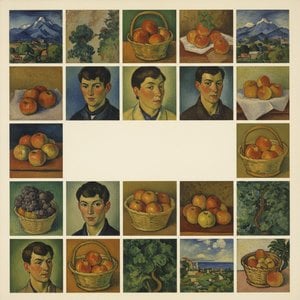
Cézanne's Masterpieces: 25 Iconic Artworks to Transform Your Space
Journey through 25 iconic artworks by Paul Cézanne – a master of Impressionism and Post-Impressionism. Explore his landscapes, still lifes, and the stories behind these timeless masterpieces. Discover museum-quality reproductions & curated decor at ArtsDot.com.

Evocations of Place: A Historical Journey Through Landscape Art
Explore the rich history of landscape art with ArtsDot. Discover renowned artists, movements like Impressionism & tonalism, and expert guidance for collecting timeless pieces. Find your perfect serene escape today!

Cultivating Visions: A Historical Journey Through Rural Landscapes in Art
Explore the rich history of rural landscape painting with ArtsDot. Discover Impressionist masterpieces, key artists & movements. Find your perfect serene artwork and bring nature's beauty home.


