Preview
 Send
Send Share
Share
 Details

 Download
 Similars
 X-Ray
X-Ray Diaporama
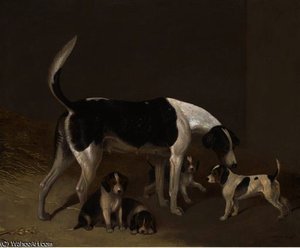
Fighting Cocks

 Read More
Giclée / Art Print
Museum-quality giclée or canvas print with fast production and flexible finish options. ( Buy Hand Made Painting Buy Image)




































Pick from our preset sizes that match the artwork's original proportions.

You may enter your own dimensions to fit a specific frame or space. If your selected size does not match the original image's proportions, we will either crop the artwork or extend the image with a mirrored or solid-fill edge. A digital mockup will be sent for your approval before production begins.
Please note that the on-screen preview does not reflect the actual cropping or extension. Only the mockup will accurately show the final composition.
While custom sizes are available, we recommend selecting a dimension from the predefined list to preserve the original proportions.
Worldwide Delivery () in 2 weeks instead of standard 4/5 weeks. (16 August)

Free Worldwide Express Shipping

High-Quality Linen Canvas

Full Shipping Insurance

Customs Tax Refund Guarantee

True Color Matching Guarantee

60-Day Return Policy (Defects Only)

100% Money-Back Guarantee

Bulk Discount Offer
 Glass option is only available in size under 110 CM

Fighting Cocks
Giclée / Art Print
Reproduction Size
-


Total Price
$ 63
Related Artworks


Artist Biography
A Life Painted in Light: The World of Edwin Cooper
Edwin Cooper, born in 1785 and passing in 1833, remains a somewhat enigmatic figure within the landscape of 19th-century British art. While not enjoying the widespread renown of contemporaries like Turner or Constable, his work possesses a quiet dignity and a meticulous attention to detail that speaks volumes about the era’s evolving artistic sensibilities. Cooper's paintings, often depicting idyllic rural scenes and historical narratives, offer a fascinating glimpse into the social and aesthetic values of the time. His career unfolded during a period of significant change – the transition from Neo-Classicism towards Romanticism – and his art reflects this tension between order and emotion, restraint and passion.Early Years and Artistic Formation
Details regarding Cooper’s early life are scarce, adding to the mystique surrounding him. It is known that he exhibited at the Royal Academy from 1805 onwards, suggesting a formal artistic training, though the specifics of his education remain undocumented. The influence of earlier landscape masters like Richard Wilson is readily apparent in his initial works; these paintings showcase a delicate handling of light and atmosphere, coupled with a compositional clarity characteristic of the Neo-Classical style. However, Cooper quickly began to develop a distinctive voice, moving away from strict imitation towards a more personalized interpretation of the British countryside. He wasn’t merely replicating scenes but imbuing them with a sense of narrative and emotional resonance.Themes and Techniques: A Blend of History and Landscape
Cooper's oeuvre is characterized by two primary themes: serene landscapes and historical paintings, often intertwined. His landscapes are not wild or untamed; instead, they present an idealized vision of rural England – rolling hills, picturesque villages, and tranquil waterways. These scenes evoke a sense of harmony and order, reflecting the prevailing social ideals of stability and prosperity. His technique is marked by a remarkable precision, with meticulous attention paid to every detail of foliage, architecture, and human figure. He employed a glazing technique, building up layers of translucent color to create depth and luminosity. The historical paintings, while less numerous than his landscapes, reveal Cooper’s interest in British history and mythology. These works often depict scenes from Shakespearean plays or episodes from the lives of prominent historical figures. He approached these subjects with a similar level of detail and realism, striving to recreate the atmosphere and costumes of the period accurately. The combination of landscape and historical narrative is particularly striking in some of his paintings, where he seamlessly integrates human drama into the natural world.Legacy and Historical Significance
Although Cooper did not achieve widespread fame during his lifetime, his work continues to be appreciated for its technical skill, atmospheric quality, and insightful portrayal of 19th-century British life. He occupies a unique position in art history as a transitional figure – bridging the gap between Neo-Classicism and Romanticism. His paintings offer valuable insights into the evolving aesthetic values of the era, reflecting both the enduring appeal of classical ideals and the growing interest in emotional expression and individual interpretation.- Cooper’s meticulous technique influenced later landscape painters.
- His historical paintings provide a glimpse into Victorian interpretations of British history.
- The serene quality of his landscapes reflects the social values of the time.

edwin cooper
1785 - 1833
Quick Facts
- Artistic Movement Or Style: Romantic Landscape Painting
- Artists Or Movements Influenced By This Artist: ['Turner']
- Artists Who Influenced This Artist:
- George Stubbs
- Joshua Reynolds
- Date Of Birth: 1785
- Date Of Death: 1833
- Full Name: Edwin Cooper
- Nationality: British
- Notable Artworks:
- The Vale of Ardèche
- Mount Snowdon
- The River Thames
- Place Of Birth: London, England
Related Articles

The Enduring Legacy of Oil on Canvas: Technique, History & Aesthetic Impact
Explore the rich history & techniques of oil painting – from Renaissance masters to Impressionism. Discover pigments, layering methods, and why this timeless medium endures. Expert insights for artists & art enthusiasts.

Oil on Canvas: A Historical & Technical Exploration of a Timeless Artistic Medium
Explore the rich history & enduring techniques of oil painting on canvas. Discover the science behind its longevity, conservation practices, and contemporary relevance. Expert insights for art enthusiasts.

The Enduring Power of Painting: A Historical & Contemporary Exploration of Form and Emotion
Explore the rich history & enduring techniques of oil painting with ArtsDot. Discover masterpieces, learn about art collecting, and find authentic handmade reproductions crafted by skilled artists.

The Enduring Legacy of Oil on Canvas: Technique, History & Contemporary Practice
Explore the rich history & enduring techniques of oil painting on canvas. Discover the science behind its longevity, conservation practices, and contemporary relevance. Expert insights for art enthusiasts.

Oil on Board Masters: 10 Paintings That Redefined Art | ArtsDot
Explore 10 legendary 'Oil on Board' masterpieces by Van Gogh, Monet & more! Discover art history, iconic styles like Impressionism, and find museum-quality reproductions to elevate your home decor. Explore the full collection online at ArtsDot.com.