

 Preview
 Send
Send Share
Share
 Details
 Guide
Guide

 Download
 Similars
 X-Ray
X-Ray Diaporama
 Q&A
Q&A Stats
StatsProphet Jeremiah


 Read More
Giclée / Art Print
Museum-quality giclée or canvas print with fast production and flexible finish options. ( Buy Hand Made Painting Switch to Digital Image)




P118B $10

P118H $10

P118W $10

P438Z $10

P508JH $12

P508YH $12

P805H $10

P805Z $10

P919BZ $10

P919G $10

P919XJ $10

P959ZH $10

P968JZ $12

W106C $8

W218G $10

W218JH $8

W218Y $10

W307PJ $10

W316G $10

W316PJ $8

W316Y $10

W398PJ $8

W4111J $10

W500HY $15

W500JH $15

W692G $12

W849H $8

W940BG $15

W953PJ $8




Pick from our preset sizes that match the artwork's original proportions.

Type the width and the height you need, to fit your frame or your wall. A print can only be cut, never made bigger than the picture, so a size with a different shape loses a part of the image. We send you a digital mockup to approve before we print anything. The picture shown on this page does not show the real cut — only the mockup does.
Worldwide Delivery () in 2 weeks instead of standard 4/5 weeks. (4 November)

Free Worldwide Express Shipping

High-Quality Linen Canvas

Full Shipping Insurance

Customs Tax Refund Guarantee

True Color Matching Guarantee

100-Day Return Policy (Defects Only)

100% Money-Back Guarantee

Bulk Discount Offer
 Glass option is only available in size under 110 CM

Prophet Jeremiah
Giclée / Art Print
Reproduction Size
-


Total Price
$ 63
Donatello’s Prophet Jeremiah: A Testament to Renaissance Faith
Donatello's "Prophet Jeremiah," sculpted in marble around 1423 during the Florentine Renaissance, stands as an enduring emblem of artistic innovation and spiritual contemplation. Commissioned by Lorenzo Medici for Santa Maria del Fiore Cathedral, this monumental figure transcends mere representation; it embodies a profound engagement with humanist ideals intertwined with biblical narrative—a hallmark of the era’s transformative cultural landscape.Sculptural Form and Technique: Embracing Classical Influence
The sculpture's design reflects Donatello’s masterful assimilation of classical sculptural principles. Unlike earlier depictions of prophets, Jeremiah is presented in a strikingly naturalistic pose, mirroring statues from antiquity – specifically those inspired by Greek models. This deliberate choice underscores the Renaissance fascination with reviving Greco-Roman aesthetics and demonstrating an understanding of anatomical accuracy. The sculptor skillfully employed techniques honed during his formative years studying under Filippo Brunelleschi, utilizing chisel and mallet to carve intricate details into the marble block. Note the careful drapery folds that convey movement and volume, mirroring the flowing robes characteristic of Roman sculptures. Donatello’s meticulous attention to surface texture contributes to the sculpture's palpable presence and enhances its visual impact.Historical Context: Florence Amidst Artistic Flourishing
Florence in the early 15th century was experiencing an unprecedented surge of artistic creativity—the Renaissance—fueled by patronage from wealthy families like the Medici. This period witnessed a revival of interest in classical art and philosophy, prompting artists to explore new approaches to portraying human form and emotion. Donatello’s “Prophet Jeremiah” exemplifies this spirit of experimentation, pushing boundaries established by Gothic sculpture traditions. The cathedral project itself served as a catalyst for artistic ambition, attracting talent from across Italy and establishing Santa Maria del Fiore as the epicenter of Renaissance art.Symbolism: Lamentation and Divine Revelation
Jeremiah’s posture—arms outstretched in supplication—immediately conveys sorrow and lamentation, reflecting the prophet's prophetic role as bearer of God’s word amidst impending doom. The scroll he clutches symbolizes divine revelation – Jeremiah’s prophecies concerning Judah’s destruction and eventual redemption. Donatello skillfully captures this emotional intensity through subtle facial expressions and nuanced musculature, demonstrating a deep understanding of human psychology. Furthermore, the sculpture’s placement within the cathedral underscores its spiritual significance—a visual reminder of faith and repentance amidst the grandeur of Florentine artistic achievement.Emotional Impact: A Moment Frozen in Time
“Prophet Jeremiah” continues to resonate with viewers centuries after its creation. Its serene yet melancholic countenance evokes empathy and invites contemplation on themes of suffering, resilience, and divine grace. Donatello’s masterful execution ensures that the sculpture retains an immediacy that transcends time—a testament to his artistic genius and a cornerstone of Florentine Renaissance art history. Hand-painted reproductions offer a captivating opportunity to experience this timeless masterpiece in your own home.Questions & Answers
What does "Prophet Jeremiah" share with the rest of Donatello's output?
Within Donatello's output, "Prophet Jeremiah" sits in the Early Renaissance style, alongside the themes of classicalidealism, religiousdevotion, humanformrepresentation, florenceculture, donatellolegacy.
Where can I buy a digital image of "Prophet Jeremiah" by Donatello?
To get a digital file of "Prophet Jeremiah" by Donatello, order a high-resolution digital image download on its Digital Image page.
What is the format of "Prophet Jeremiah"?
"Prophet Jeremiah" by Donatello is a tall composition. The proportions are worth checking before choosing a print size.
Related Artworks


Artist Biography
early life and career
donato di niccolò di betto bardi, known as donatello, was born in florence, italy around 1386. he studied classical sculpture, which heavily influenced his development of an early renaissance style. this new approach to art and culture would eventually become the hallmark of the florentine renaissance.key works and innovations
donatello's most famous work, david, was the first freestanding nude male sculpture since antiquity. commissioned by the medici family, it showcased his innovative style and technical expertise. other notable works include:- st. louis of toulouse (now in the museum of the basilica di santa croce), which featured a classical frame designed by donatello.
- the sacrifice of isaac, created for the campanile of santa maria del fiore in florence, characterized by strong portrait details.
- crucifix (1425) for santa croce, which portrayed christ in a moment of agony.
artistic style and legacy
donatello's style can be divided into broad phases, beginning with the development of expressiveness and classical monumentality. his work was not immediately accepted by the community but eventually became the most popular, influencing other italian courts and european artists. key art movements:personal life and working style
donatello was known for being amiable and well-liked, but poor at the business side of his career. he tended to accept more commissions than he could handle, often completing works late or handing them over to other sculptors. notable artworks and artists:- leonardo da vinci: annunciation (detail)
- amico aspertini: statua di pan/leone che azzanna un cavallo
- michelangelo buonarroti: tondo pitt
museums and art collections:
- museo della collegiata (empoli, italy): a hidden gem of the renaissance, featuring works by francesco botticini and raffaello botticini.
- the early italian renaissance art movement

Donatello
1386 - 1466 , Italy
Quick Facts
- Full Name: Donatello di Niccolò
- Nationality: Italian
- Date Of Birth: 1386
- Date Of Death: 1466
- Place Of Birth: Florence, Italy
- Notable Artworks:
- David
- St. Louis of Toulouse
- Sacrifice of Isaac
- Crucifix
- Artistic Movement Or Style: Early Renaissance
- Artists Who Influenced This Artist: ['Classical sculpture']
- Artists Or Movements Influenced By This Artist:
- Italian Renaissance
- Early Renaissance
- Florentine Renaissance
Related Articles
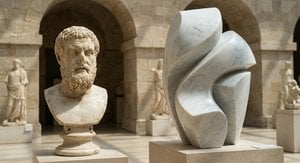
The Enduring Allure of Marble in Art History: From Classical Sculpture to Modern Abstraction
Explore the captivating history of marble sculpture from ancient Greece to modern art. Discover renowned artists like Canova & Michelangelo, carving techniques, and investment insights at ArtsDot.

Bronze Age to Modern Masters: 10 Sculptures That Redefined Art | ArtsDot
Journey through art history with 10 legendary bronze sculptures – from Michelangelo's David to Rodin’s Thinker. Explore the stories, techniques & timeless beauty of these masterpieces. Find museum-quality reproductions & elevate your home decor on ArtsDot.com.

Bronze Sculptures That Defined Art History | ArtsDot
Journey through art history with our Top 10 bronze sculptures! Explore masterpieces by Rodin, Michelangelo & more. Discover stories behind iconic statues and find museum-quality reproductions for your home decor at ArtsDot.com.

The Enduring Form: Sculpture Across History, Technique & Emotional Resonance
Explore the rich history of sculpture with ArtsDot. Discover key techniques, influential artists & investment potential for discerning collectors. Expert insights into valuing and collecting timeless masterpieces.

The Enduring Form: Exploring Themes & Techniques in Sculpture Across Historical Periods
Explore the rich history of sculpture from ancient masterpieces to contemporary innovations. Discover key techniques, influential artists & investment potential for discerning art collectors.


