Preview
 Send
Send Share
Share
 Details

 Download
 Similars
 X-Ray
X-Ray Diaporama
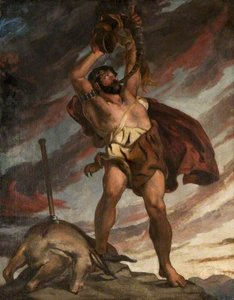
The Vintager
 1835
1835 117.0 x 97.0 cm
 Read More
Giclée / Art Print
Museum-quality giclée or canvas print with fast production and flexible finish options. ( Switch to hand made Painting Switch to Image)




































Pick from our preset sizes that match the artwork's original proportions.

You may enter your own dimensions to fit a specific frame or space. If your selected size does not match the original image's proportions, we will either crop the artwork or extend the image with a mirrored or solid-fill edge. A digital mockup will be sent for your approval before production begins.
Please note that the on-screen preview does not reflect the actual cropping or extension. Only the mockup will accurately show the final composition.
While custom sizes are available, we recommend selecting a dimension from the predefined list to preserve the original proportions.
Worldwide Delivery () in 2 weeks instead of standard 4/5 weeks. (11 August)

Free Worldwide Express Shipping

High-Quality Linen Canvas

Full Shipping Insurance

Customs Tax Refund Guarantee

True Color Matching Guarantee

60-Day Return Policy (Defects Only)

100% Money-Back Guarantee

Bulk Discount Offer
 Glass option is only available in size under 110 CM

The Vintager
Giclée / Art Print
Reproduction Size
-


Total Price
$ 63
Related Artworks




Artist Biography
David Scott (1806–1849): A Visionary of Scottish Romanticism
David Scott, a name perhaps less familiar than some of his contemporaries, stands as a pivotal figure in 19th-century British art. Born in Edinburgh in 1806, he wasn’t merely a painter; he was a translator of myth and emotion, a weaver of intricate narratives through the evocative power of color and form. His life, intertwined with intellectual currents and artistic experimentation, culminated in a body of work that continues to resonate with its dramatic intensity and profound symbolic depth. Scott's legacy resides not just in his individual paintings but also in his role as a key contributor to the burgeoning Romantic movement within Scotland.
Early Life and Artistic Foundations
Scott’s early life was shaped by a unique blend of artistic influence and familial circumstance. Born into a family with roots in engraving – his father, Robert Scott, was a respected professional – he received an education steeped in visual culture from a young age. He attended the prestigious Royal High School in Edinburgh, where he honed his skills in drawing and design. Crucially, his upbringing fostered a deep appreciation for storytelling and allegory, elements that would become central to his artistic vision. His brother, William Bell Scott, also a prominent artist, further enriched this environment, creating a shared creative space and mutual influence.
- Early Influences: Scott’s artistic development was profoundly shaped by the Romantic ideals prevalent in Europe at the time – particularly those championed by artists like William Blake.
- Technical Training: He studied under his father, mastering techniques of engraving and drawing, which informed his later painting style.
- Edinburgh's Artistic Hub: Living in Edinburgh provided access to a vibrant artistic community and exposure to diverse influences.
A Journey Through Italy and the Development of Style
In 1832, Scott embarked on a transformative journey to Italy – a period that fundamentally altered his artistic trajectory. This sojourn wasn’t simply a vacation; it was an immersive experience designed to ignite his creative spirit. He spent over a year studying the works of Michelangelo and other masters, absorbing their techniques and embracing the dramatic narratives of classical mythology. The Italian light, color palettes, and historical settings profoundly impacted his style, moving him away from the more restrained academic traditions of the time.
- Immersive Study: Scott’s time in Italy was dedicated to intensive study of Renaissance art and architecture.
- Shift in Palette: He adopted a richer, more vibrant color palette influenced by Italian masters.
- Mythological Themes: His subject matter increasingly leaned towards dramatic mythological scenes, reflecting the influence of classical antiquity.
Major Works and Symbolic Language
Scott’s artistic output is characterized by a remarkable range of subjects – from biblical narratives to historical events and allegorical representations. His most celebrated works often feature complex symbolism, inviting viewers to engage in layers of interpretation. “Vasco de Gama at the Cape of Good Hope” (1842), for example, isn’t merely a depiction of an explorer's encounter; it’s a meditation on courage, faith, and the perils of exploration. Similarly, his illustrations for Coleridge’s *The Rime of the Ancient Mariner* are not simply visual representations of the poem’s story but powerful embodiments of its themes of guilt, redemption, and the interconnectedness of nature.
- “Vasco de Gama at the Cape of Good Hope” (1842): A monumental painting exploring themes of exploration, faith, and human endurance.
- Illustrations for Coleridge’s *The Rime of the Ancient Mariner* (1837): Dramatic depictions that capture the poem's haunting atmosphere and moral complexities.
- Recurring Motifs: Scott frequently employed recurring motifs – such as light and darkness, water and fire – to convey symbolic meanings within his paintings.
Legacy and Historical Significance
David Scott’s artistic career was tragically cut short by illness in 1849 at the age of forty-two. Despite his relatively brief life, he left an indelible mark on Scottish art. He played a crucial role in establishing the Edinburgh School of Art, and his work helped to shape the direction of Romantic painting in Scotland. His emphasis on dramatic storytelling, symbolic language, and vibrant color palettes influenced generations of artists who followed. Today, Scott’s paintings are held in major collections across the UK, testament to their enduring beauty and artistic significance. He remains a vital figure in understanding the evolution of British art during a period of profound social and cultural change.

david scott
1806 - 1849
Quick Facts
- Artistic Movement Or Style: Historical painting
- Artists Or Movements Influenced By This Artist: ["Coleridge's Ancient Mariner"]
- Artists Who Influenced This Artist:
- William Blake
- Robert Scott
- Date Of Birth: October 1806
- Date Of Death: 5 March 1849
- Full Name: David Scott
- Nationality: Scottish
- Notable Artworks:
- Vasco de Gama at Cape
- Duke of Gloucester
- Descent from the Cross
- Place Of Birth: Edinburgh, Scotland