
- Home

- Oil Painting Reproduction
- Arshile Gorky
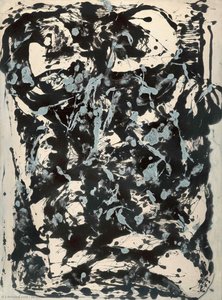
- Waterfall

 Buy print
 Send
Send Share
Share
 Details

 Download
 Similars
 X-Ray
X-Ray Diaporama
Waterfall
 Oil On Canvas
- WallArt
- Abstract Expressionism
 1943
1943- Modern
 97.0 x 24.0 cm
 Hirshhorn Museum and Sculpture Garden
Hand Made Oil Reproduction
Hand-painted oil on canvas in your size and frame, made to order by our artists.




P118B £10

P118H £10

P118W £10

P438Z £10

P508JH £12

P508YH £12

P805H £10

P805Z £10

P919BZ £10

P919G £10

P919XJ £10

P959ZH £10

P968JZ £12

W106C £8

W218G £10

W218JH £8

W218Y £10

W307PJ £10

W316G £10

W316PJ £8

W316Y £10

W398PJ £8

W4111J £10

W500HY £15

W500JH £15

W692G £12

W849H £8

W940BG £15

W953PJ £8




 Read more
Pick from our preset sizes that match the artwork's original proportions.

You may enter your own dimensions to fit a specific frame or space. If your selected size does not match the original image's proportions, we will either crop the artwork or extend the painting with additional hand-painted elements. A digital mockup will be sent for your approval before production begins.
Please note that the on-screen preview does not reflect the actual cropping or extension. Only the mockup will accurately show the final composition.
While custom sizes are available, we recommend selecting a dimension from the predefined list to preserve the original proportions.
After order, ArtsDot.com team will email client for instructions and provide a mockup preview
Worldwide Delivery () in 3/4 weeks instead of standard 5 weeks. (30 June). No compromise on quality.

Free Worldwide Express Shipping

High-Quality Linen Canvas

Full Shipping Insurance

Customs Tax Refund Guarantee

True Color Matching Guarantee

60-Day Return Policy (Defects Only)

100% Money-Back Guarantee

Bulk Discount Offer
 Glass option is only available in size under 110 CM

Waterfall
Reproduction Medium
Reproduction Size
-


Total Price
-
Artwork Description
A Cascade of Emotion: Exploring Arshile Gorky’s 1943 Masterpiece
Created in 1943, this captivating work by Arshile Gorky stands as a pivotal example of the burgeoning Abstract Expressionist movement. Measuring 97 x 24 cm, it's a piece that transcends simple representation, inviting viewers into a realm of feeling and subconscious exploration. More than just an aesthetic object, it’s a visual poem reflecting a period of personal and global upheaval.
Abstract Forms & Artistic Innovation
While titled “Waterfall,” the artwork doesn’t depict a literal cascade of water. Instead, Gorky employs fluid lines and biomorphic shapes to *evoke* the energy and dynamism associated with flowing water. The composition is deliberately fragmented; suggestions of anatomical forms – limbs, torsos, heads – emerge from washes of color, yet remain tantalizingly ambiguous. This deliberate abstraction marked a significant departure from traditional artistic conventions, pushing boundaries and paving the way for future generations of abstract artists.
Technique & Materiality
Executed in oil paints on canvas, the piece showcases Gorky’s masterful handling of texture and layering. Visible brushstrokes range from thick impasto to delicate washes, creating depth and visual interest. The artist's intuitive approach is evident; paint seems to flow freely across the surface, forming organic shapes that appear both spontaneous and carefully considered. This gestural technique emphasizes the physicality of the painting process itself.
Historical Context & Personal Turmoil
1943 was a year marked by global conflict and personal tragedy for Gorky. The lingering trauma of witnessing the Armenian Genocide in his youth, coupled with increasing anxieties surrounding World War II, deeply impacted his artistic vision. This painting is often interpreted as an expression of those underlying emotions – vulnerability, fragmentation, and a sense of displacement. It reflects a broader cultural shift towards introspection and existential questioning that characterized post-war art.
Symbolism & Emotional Resonance
The muted color palette—dominated by grays, whites, blacks, and pale blues punctuated by coral red, mustard yellow, and navy blue—contributes to the painting’s melancholic yet subtly vibrant mood. The upward movement of forms might symbolize aspiration or struggle, while their fragmented nature could represent a broken psyche or feelings of alienation. Ultimately, “Waterfall” is open to interpretation; its power lies in its ability to resonate with individual viewers on an emotional level.
A Statement Piece for Modern Interiors
This artwork’s sophisticated abstraction and nuanced color palette make it a compelling addition to any modern or contemporary interior. Its dynamic composition adds visual energy, while its introspective mood invites contemplation. A high-quality reproduction allows you to bring the emotional depth and artistic innovation of Arshile Gorky's “Waterfall” into your home or office, creating a focal point that sparks conversation and inspires creativity.
Related Artworks




Artist Biography
early life and influences
arshile gorky, born vostanik manoug adoian, was a turkish-born armenian-american painter who left an indelible mark on the art world. born on april 15, 1904, in khorgom, van, ottoman empire (now turkey), gorky's life was marked by turmoil and displacement, which would later influence his artistic style.the formative years
gorky's family fled to russian-controlled territory during the armenian genocide in 1915. this pivotal event shaped his worldview and informed his future artistic expressions. in 1920, at the age of 16, gorky reunited with his father in america but struggled to form a close bond.artistic evolution
- landscape in the manner of cézanne (1927) and landscape, staten island (1927–1928) exemplify gorky's early experimentation with cubism and post-impressionism.
- his later works, such as nighttime, enigma, nostalgia (1930–1934), showcase a shift towards surrealism, characterized by complex, abstract forms.
notable works and collaborations
key artworks:- the artist and his mother (ca. 1926–1936), a poignant portrait inspired by a childhood photograph, showcases gorky's innovative style.
- portrait of master bill, initially believed to be a portrait of willem de kooning, is now recognized as a depiction of a swedish carpenter who worked for gorky.
- gorky's association with the works progress administration federal art project (1933) brought him alongside notable artists like alice neel, lee krasner, jackson pollock, and mark rothko.
- his work was also influenced by paul cézanne, as seen in his landscape series.
legacy and museum collections
gorky's impact on abstract expressionism is undeniable. his works can be found in various museums, including the national gallery of art, washington, d.c., and are a testament to his enduring influence.- explore gorky's artwork and other influential artists at ArtsDot.
- delve into the world of art history with ArtsDot's comprehensive timeline: wahoo art timeline.
conclusion
arshile gorky's life, marked by displacement and turmoil, translated into a body of work that would redefine the landscape of abstract expressionism. his legacy continues to inspire artists and art enthusiasts alike, a testament to the transformative power of art. view gorky's artworks on ArtsDot learn more about arshile gorky on wikipedia
Arshile Gorky
1904 - 1948 , Turkey
Quick Facts
- Artistic Movement Or Style: Abstract Expressionism
- Artists Or Movements Influenced By This Artist: ['Abstract Expressionism']
- Artists Who Influenced This Artist:
- Paul Cézanne
- Joan Miró
- Pablo Picasso
- Date Of Birth: April 15, 1904
- Date Of Death: July 21, 1948
- Full Name: Arshile Gorky
- Nationality: Armenian-American
- Notable Artworks:
- The Artist and His Mother
- Nighttime, Enigma, Nostalgia
- Portrait of Master Bill
- Waterfall
- Composition
- Place Of Birth: Khorgom, Turkey
Related Articles

Clyfford Still's Abstract Expressionism: A Study of Color, Form & the Existential Landscape
Explore the profound world of Clyfford Still's Abstract Expressionism with ArtsDot. Discover his unique style, existential themes & investment potential. Expert analysis for discerning collectors.


Arturo Souto: A Study in Abstract Expressionism & Emotional Resonance
Explore the captivating world of Arturo Souto's abstract expressionism. Discover his unique style, emotional depth, and investment potential – a guide for discerning art collectors.

Beyond Representation: Exploring the Emotional Landscape of Abstract Expressionism
Explore the profound emotional world of Abstract Expressionism with ArtsDot. Discover key artists like Pollock & Rothko, learn about collecting, and find museum-quality reproductions to inspire your space.

Gabor Peterdi: A Legacy of Abstract Expressionism & the Exploration of Light and Form
Explore the powerful work of Gabor Peterdi (1915-2001), a Hungarian-American master of abstract expressionism and intaglio printmaking. Discover his artistic journey, key themes, and lasting influence on American art.

Abstract Expressionism's 10 Defining Masterpieces |
Explore 10 defining Abstract Expressionism masterpieces by Pollock, Rothko & de Kooning. Discover the stories behind these iconic paintings and find museum-quality art reproductions to elevate your home decor on .



