Menu
FREE ART CONSULTATION

Quick Facts

  • Movements:
    • 19th century printmaking
    • aesthetic impression
    • aestheticism and symbolism
    • barbizon landscape school
    • baroque
  • Art types:
    • digital
    • other
    • wallart
  • Location: Wellington, New Zealand
  • Featured artists:
    • James Abbott McNeill Whistler
    • John Martin
    • william hodges
    • Luca Cambiaso
    • John Piper
  • More…
  • Historical periods:
    • 19th century
    • early modern
    • late medieval
    • renaissance
  • Works on APS: 128
  • Mediums:
    • acrylic
    • acrylic on canvas
    • charcoal
    • engraving
    • etching

Art Quiz

There is only one correct answer for each question.

Question 1:
What is Te Papa Tongarewa's Māori name?
Question 2:
When was Te Papa officially opened?
Question 3:
Te Papa's architectural design incorporates elements inspired by what?
Question 4:
What is the primary focus of Te Papa's bicultural philosophy?
Question 5:
Which exhibit at Te Papa utilizes life-sized figures to humanize the experience of conflict?

Te Papa Tongarewa: A Living Tapestry of New Zealand’s Soul

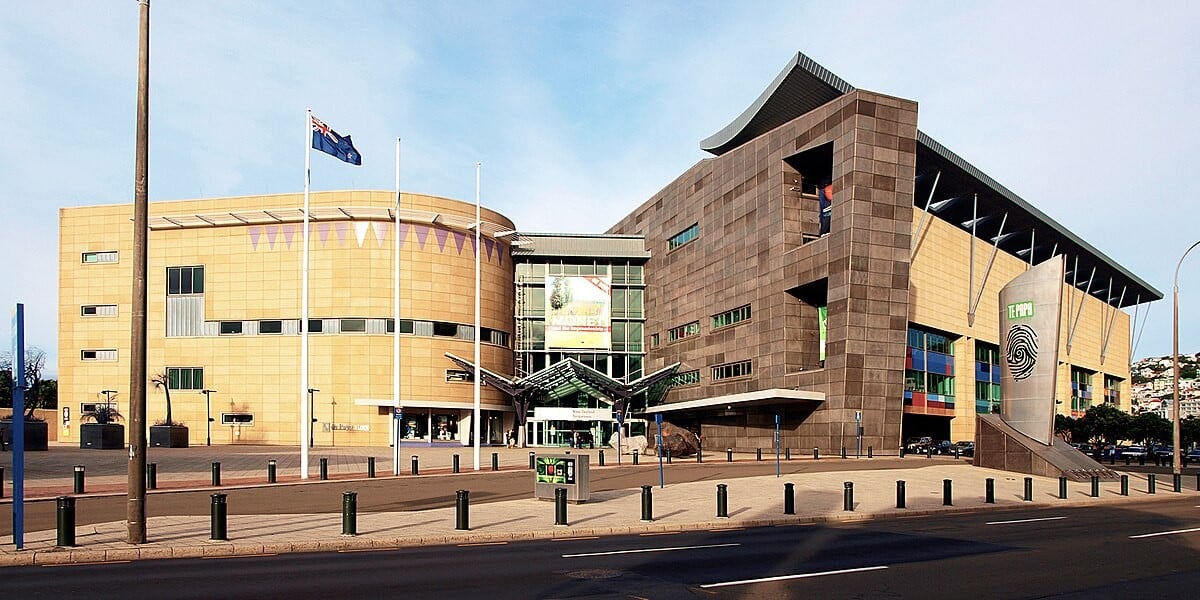
The Museum of New Zealand Te Papa Tongarewa stands as a singular testament to New Zealand's cultural heritage and artistic evolution—a beacon illuminating the nation’s past, present, and future. Situated on Wellington’s vibrant waterfront, its genesis lies in the ambitious merger of the Dominion Museum and National Art Gallery in 1934, driven by a vision to forge a unified national identity through art and science. Today, Te Papa welcomes over 1.1 million visitors annually, cementing its position as one of Australasia's foremost cultural destinations—a place where history isn’t merely observed but actively experienced. ### Architectural Resonance: Embracing Māori Spirit The building itself is more than just concrete and steel; it embodies a profound connection to the land. Designed by Jasmax Architects, Te Papa rises organically from reclaimed Wellington Harbour land, mirroring the geological formations of New Zealand's dramatic landscapes—a deliberate echo of Māori oral tradition’s reverence for *Papatūānuku*, Mother Earth. The expansive galleries encourage exploration and discovery, fostering a spatial journey that subtly incorporates Māori cultural motifs. Consider the careful use of light – designed to evoke the feeling of entering a *wharenui*, a sacred meeting house—creating an immersive environment that transcends conventional museum aesthetics. This architectural choice underscores Te Papa’s core philosophy: celebrating New Zealand's heritage as inseparable from its natural world. ### Treasures of Māori Artistry: The Taonga Collection At the heart of Te Papa’s collection lies the *Taonga Māori*—treasured artifacts representing the artistic traditions and spiritual beliefs of New Zealand’s indigenous people. These objects, ranging from intricately carved wooden sculptures to exquisitely woven flax baskets and ceremonial weapons, offer unparalleled insight into Māori cosmology and social customs. Each piece carries mana – spiritual power – reflecting a deep understanding of whakapapa (genealogy) and connection to ancestral lands. Exhibitions dedicated to the Taonga showcase not only their beauty but also their significance as living legacies—a constant reminder of New Zealand’s rich cultural heritage. ### Expanding Horizons: Contemporary Art & Innovation Beyond its foundational Māori collection, Te Papa champions contemporary art, pushing artistic boundaries and engaging audiences with fresh perspectives. The gallery houses a dynamic range of works spanning painting, sculpture, installation art, and digital media, reflecting the evolving identity of New Zealand society. Notably, “Gallipoli: The Scale of Our War,” utilizes life-sized figures and immersive environments to humanize the harrowing realities of conflict—a poignant reminder that history continues to shape our understanding of the present. Furthermore, Te Papa’s commitment to interactive engagement extends beyond individual exhibitions; it's woven into the very fabric of its approach to storytelling—inviting visitors to connect with narratives on a personal level and fostering empathy for diverse experiences. ### A Legacy of Visionary Leadership The museum’s success is rooted in the dedication of its directors, who championed innovation and fostered collaboration between disciplines. From Stewart Maclennan's pioneering efforts to establish Te Papa as a national institution to Jenny Harper’s focus on engaging younger audiences—each leader recognized the importance of communicating New Zealand’s story effectively. The museum continues to evolve, adapting to changing societal needs while upholding its commitment to preserving and celebrating New Zealand’s cultural heritage—a testament to enduring vision and unwavering passion for artistic excellence.