A Gateway of Stone and Spirit: The Legacy of Porta Pia
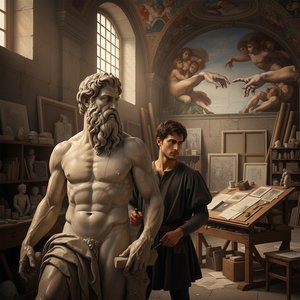
In the heart of Rome, where the ancient echoes of the Aurelian Walls meet the burgeoning pulse of a modern nation, stands Porta Pia—a monumental threshold that transcends its identity as a mere city gate. To wander before its imposing façade is to witness a profound dialogue between the Renaissance and the Risorgimento. Originally conceived by the divine Michelangelo Buonarroti between 1561 and 1565, this architectural marvel was born from the vision of Pope Pius IV, intended to replace the aging Porta Nomentana and redefine the urban landscape of the Eternal City. While the master’s untimely death left the completion of his dream to Giacomo Del Duca, the gate remains an indelible signature of Michelangelo’s genius, capturing that fleeting, exquisite moment where the disciplined grace of the late Renaissance begins to stir with the dramatic, muscular energy of the Baroque.
The architecture of Porta Pia is a masterclass in symbolic weight and visual drama. Its design, characterized by monumental proportions and a strategic placement at the terminus of Via Pia, was intended to command respect and signal the grandeur of papal authority. Yet, beneath its classical dignity lies a layer of delightful human wit; legend whispers that Michelangelo embedded subtle decorations—marble bowls reminiscent of barber trays—as a playful nod to the humble Milanese origins of Pope Pius IV. This juxtaposition of high art and intimate jest makes the structure uniquely captivating for the discerning eye. Later, in 1869, Virginio Vespignani added a Neoclassical touch to the exterior, adorning the façade with statues of Saints Agnes and Alexander, further layering the gate with themes of piety and fortitude that continue to enchant visitors and designers alike.
Beyond its aesthetic splendor, Porta Pia serves as a silent witness to one of Italy’s most transformative historical epochs. It was here, in the fateful morning of September 20, 1870, that the "Breccia di Porta Pia" occurred—a daring military breach by Raffaele Cadorna’s troops that shattered the walls and effectively ended Papal dominion over Rome, ushering in the dawn of a unified Italy. This site is not merely a relic of the past but a living repository of national identity. Today, the gate houses the Museo Storico dei Bersaglieri , an institution that breathes life into this history through its exquisite collection of military heritage. From the spirited uniforms of the elite infantry corps to the weaponry and archival documents of the Risorgimento, the museum offers a visceral connection to the courage and tactical brilliance that shaped the Italian destiny.
For the art lover and the collector of historical narratives, Porta Pia offers an unparalleled experience where stone, canvas, and memory converge. It is a place where one can trace the evolution of architectural thought from Michelangelo’s chalk studies to the triumphant neoclassical finishes of the 19th century. Whether you are drawn by the technical mastery of its Renaissance bones or the evocative power of its role in the birth of a nation, Porta Pia remains an essential pilgrimage for those who seek to understand the soul of Rome—a landmark that stands as a testament to the enduring belief that great art and great history are forever intertwined.