Menu
FREE ART CONSULTATION

Piancoteca di Brera

Table of Contents

Quick Facts

  • Mediums: oil on canvas
  • Historical periods: renaissance
  • Featured artists: Piero della Francesca
  • Location: Milan, Italy
  • More…
  • Works on APS: 1
  • Alternate names:
    • Pinacoteca di Brera
    • Brera Art Gallery
    • Brera Gallery
    • Piancoteca di Brera
  • Art types: wallart

Art Quiz

There is only one correct answer for each question.

Question 1:
In which Italian city is the Pinacoteca di Brera located?
Question 2:
The Pinacoteca di Brera primarily focuses on paintings from which period?
Question 3:
Which artistic school is particularly well-represented in the Pinacoteca di Brera's collection?
Question 4:
What is a particularly celebrated artwork housed in the Pinacoteca di Brera?
Question 5:
The Pinacoteca di Brera originated as a collection for students at which institution?
Question 6:
The Palazzo Brera, housing the Pinacoteca, was designed by which architect?
Question 7:
Which artist is a leading figure in Italian Romanticism and has significant works within the Pinacoteca's collection?
Question 8:
What is a key aspect that makes the Pinacoteca di Brera unique?
Question 9:
The Pinacoteca di Brera was officially established in which year?
Question 10:
What is the significance of the 'Grande Brera' project?

A Legacy of Lombard Light: Exploring the Pinacoteca di Brera

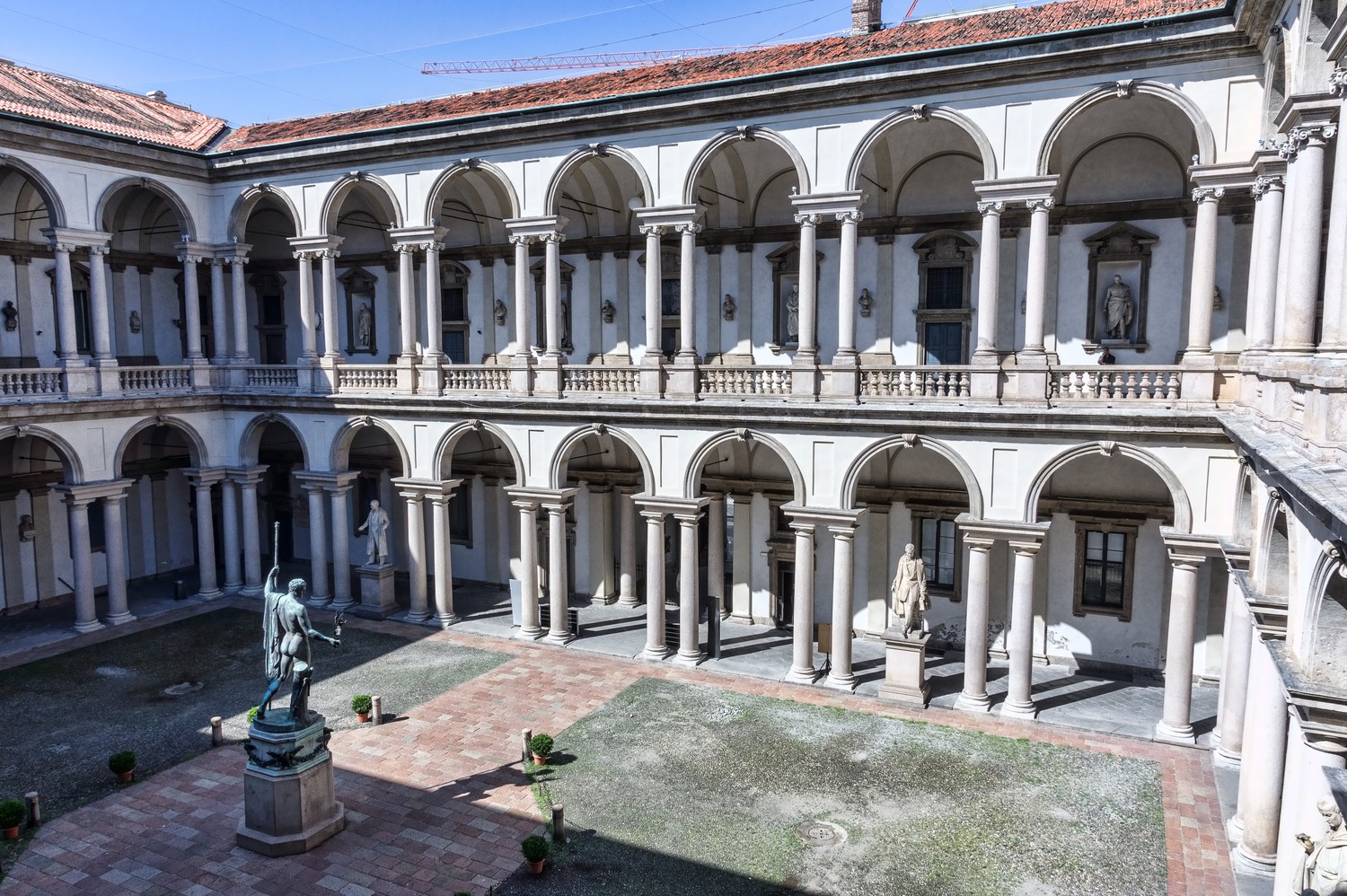
The Pinacoteca di Brera in Milan isn’t merely a gallery; it's a palimpsest of Italian art history, etched into the very fabric of a city renowned for its innovation and aesthetic sensibility. Housed within the magnificent Palazzo Brera, a Baroque masterpiece designed by Francesco Maria Richini in the 17th century, the museum breathes with centuries of artistic endeavor. Its origins are intimately tied to the Brera Academy of Fine Arts, founded in 1773 by Empress Maria Theresa – initially conceived not as a public display space, but as a crucible for learning, where students could directly study exemplary works. This pedagogical foundation continues to resonate today, shaping the Pinacoteca’s curatorial approach and its dedication to illuminating the evolution of artistic technique and thought. Walking through its halls is akin to tracing the lineage of Italian painting, from the devotional intensity of the early Renaissance to the passionate fervor of Romanticism and beyond. The Palazzo itself, with its elegant courtyards and refined architectural details, provides a stunning backdrop, enhancing the immersive experience for every visitor.

Masters of Form and Feeling: Highlights of the Collection

The Pinacoteca di Brera’s strength lies in its focused yet comprehensive representation of Italian painting, particularly from the Venetian, Lombard, and Emilian schools. The collection is a constellation of masterpieces, each radiating its own unique brilliance. Perhaps most iconic is Raphael's *Sposalizio* (The Marriage of the Virgin), a High Renaissance jewel celebrated for its harmonious composition, serene beauty, and profound emotional depth. The painting exemplifies Raphael’s mastery of spatial arrangement and his ability to imbue religious scenes with human tenderness. Nearby, works by Piero della Francesca, Andrea Mantegna, and Giovanni Bellini transport viewers back to the early days of Renaissance innovation, showcasing a burgeoning interest in perspective, realism, and classical ideals. But Brera doesn't dwell solely on the past; it also boasts an exceptional collection of Romantic paintings, led by the dramatic canvases of Francesco Hayez. His works capture the spirit of 19th-century Italy – its political turmoil, nationalistic fervor, and yearning for freedom – with a powerful blend of historical accuracy and emotional intensity. The museum’s dedication to 19th-Century Lombard art offers a fascinating glimpse into Milanese society and landscape during this transformative era, revealing the artists who documented and interpreted their changing world.

A Cultural Hub: Brera's Enduring Influence

The Pinacoteca di Brera isn’t isolated within its walls; it is deeply interwoven with the vibrant cultural life of the surrounding Brera district. This neighborhood, a haven for artists, designers, and antique dealers, shares the museum’s spirit of creativity and innovation. The Palazzo Brera itself continues to function as a dynamic hub, housing not only the Pinacoteca but also the Braidense National Library and the Academy of Fine Arts. This confluence of institutions fosters an intellectual atmosphere that encourages dialogue and exchange. Recent expansions, including the opening of Palazzo Citterio in December 2024, have further solidified Brera’s position as a leading cultural center – creating space for both historical collections and contemporary art exhibitions. The “Grande Brera” project embodies a forward-thinking vision, aiming to enrich Milan's artistic landscape and establish a new benchmark for museum experiences.

Beyond the Canvas: A Unique Perspective

What truly sets the Pinacoteca di Brera apart is its ability to offer more than just a display of beautiful paintings. It provides a unique opportunity to trace the development of Italian art across centuries, observing how techniques evolved, themes shifted, and aesthetic sensibilities transformed. The museum’s origins as an educational institution are still palpable – it feels like a place where one can truly *learn* about art, not simply admire it. Furthermore, its location within Palazzo Brera adds another layer of cultural significance, creating an immersive experience that blends artistic expression with architectural grandeur and historical context. Visitors aren't just viewing masterpieces; they’re stepping into the world in which those masterpieces were created and appreciated – a journey through time and artistry that leaves a lasting impression.