A Citadel Forged in Time: The Enduring Legacy of Prague Castle
Perched dramatically atop a sandstone hill overlooking the heart of Prague, Prague Castle isn’t merely a building; it's an embodiment of Czech history, power, and artistic evolution. For over a thousand years, this sprawling complex has witnessed coronations, revolutions, wars, and the quiet dramas of royal life – a living tapestry woven with threads of Romanesque solidity, Gothic soaring ambition, Renaissance elegance, and Baroque opulence. More than just a fortress, it’s a testament to human ingenuity and a breathtaking showcase of architectural styles that reflect the shifting tides of European culture. The sheer scale of the castle is initially overwhelming; its 70,000 square meters encompass palaces, churches, gardens, and countless chambers – a microcosm of the nation's story meticulously constructed over centuries.
- Early Foundations: The roots of Prague Castle trace back to the 9th century under Prince Bořivoj of the Premyslid Dynasty. Initially a fortified settlement, it quickly evolved into a royal residence and administrative center, laying the groundwork for its future grandeur.
- Royal Powerhouse: Throughout the Middle Ages and beyond, Prague Castle served as the seat of Bohemian kings, Holy Roman Emperors, and later, Czech presidents. It was here that pivotal decisions were made, treaties were signed, and the fate of the nation was shaped.
- UNESCO World Heritage Site: Recognized for its exceptional historical and architectural significance, Prague Castle was designated a UNESCO World Heritage site in 1992, ensuring its preservation for generations to come.
The Heart of Bohemia: St. Vitus Cathedral – A Gothic Masterpiece
Dominating the castle skyline is St. Vitus Cathedral, a monumental Gothic structure that stands as the spiritual and artistic heart of Prague Castle. Construction began in 1344 under Charles IV, Holy Roman Emperor, and continued for centuries, resulting in a breathtaking blend of architectural styles and an unparalleled display of craftsmanship. The cathedral’s soaring vaults, intricate stained-glass windows (including those designed by Alphonse Mucha), and imposing columns create an atmosphere of awe and reverence. Within its walls lie the tombs of Bohemian kings, emperors, and national heroes – a tangible connection to the castle's illustrious past. Don’t miss the Chapel of St. Wenceslas, housing the crown jewels of Bohemia, a dazzling collection of gold, silver, and precious stones that symbolize the nation’s rich heritage.

A Tapestry of Styles: Exploring the Palace Complex
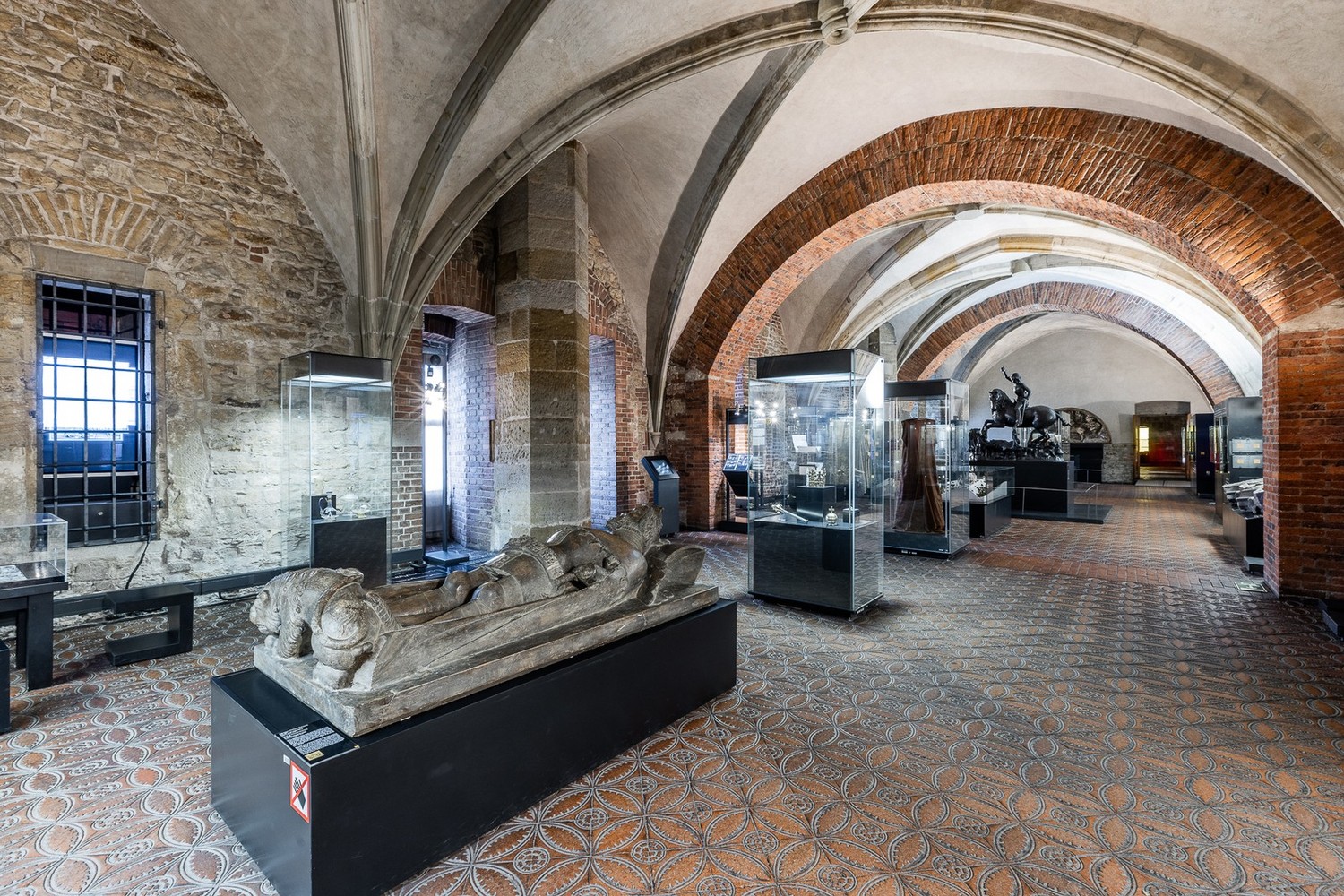
Beyond St. Vitus Cathedral, a journey through Prague Castle reveals a remarkable diversity of architectural styles. The Old Royal Palace, with its Vladislav Hall – famed for its stunning ribbed vaulting – offers a glimpse into medieval royal life. The charming Golden Lane, once home to goldsmiths and artisans, now houses miniature shops selling handcrafted souvenirs. The Baroque San Vitus Chapel, adorned with elaborate stucco work and frescoes, showcases the opulent aesthetic of the 18th century. Each building tells its own story, contributing to the castle’s complex and captivating narrative.
- Vladislav Hall: A masterpiece of Gothic architecture, renowned for its impressive ribbed vaulting and historical significance as a venue for coronations and banquets.
- Golden Lane: A picturesque street lined with tiny houses once inhabited by skilled craftsmen – now a popular tourist destination.
- San Vitus Chapel: A stunning example of Baroque design, featuring intricate stucco work, vibrant frescoes, and a rich display of religious symbolism.
Beyond the Stones: Exhibitions and Events
Prague Castle is not merely a static monument; it’s a dynamic cultural center that hosts a wide range of exhibitions, concerts, and events throughout the year. Currently, limited tours are offered into the rarely-seen areas of St. Vitus Cathedral, providing an unparalleled opportunity to explore its hidden corners and learn about its secrets. The castle's permanent collections showcase Bohemian art and history, while temporary exhibitions delve into various themes related to Czech culture and heritage. Keep an eye on the official website for upcoming events – from classical music concerts in the Old Great Hall to historical reenactments that bring Prague Castle’s past to life.
A Symbol of Resilience: The Castle Today
Today, Prague Castle continues to serve as the official residence and workplace of the President of the Czech Republic. It stands as a powerful symbol of national identity, resilience, and artistic achievement. Its enduring presence reflects the rich history and vibrant culture of the Czech Republic – a destination that promises an unforgettable journey through time.