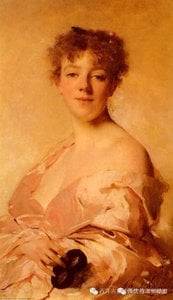
Portrait of Charles Chaplin

Your Guide to the 68 Most Famous Charles Chaplin Paintings

Updated October 2026 · ranked by our popularity score (searches, visits and orders for each work) · 68 works by Charles Chaplin in our catalogue

In short

Charles Chaplin's best-known piece is La Pêche. Next on the list are Girl in a Pink Dress Reading, with a Dog and La Fille du Peintre (1881). We have 68 works by Charles Chaplin in our catalogue; this guide picks out the 68 best known, with the year, the museum and the story of each piece.

1889 – 1977, Étretat Academicism Most works: Bowes Museum

The 10 Charles Chaplin paintings to know first

Numbers 11 to 68: more Charles Chaplin paintings

Charles Chaplin's paintings, period by period

What Charles Chaplin painted most

The four subjects that come up most often in these pieces, each with its best-known example.

Where you can see Charles Chaplin's paintings

The 4 museums that hold the most of the paintings on this page.

Museum City Works by Charles Chaplin Paintings from this list
Bowes Museum, Barnard CastleBowes Museum Barnard Castle 3 Girl in a Pink Dress Reading, with a Dog, A Young Girl Drawing, The lost bird lost virtue
Museum of Fine Arts of Lyon, LyonMuseum of Fine Arts of Lyon Lyon 1 La ragazza col nido
The National Museum of Art of Romania, BucharestThe National Museum of Art of Romania Bucharest 1 La jeune fille au chat
Musée des Beaux-Arts de Rouen, RouenMusée des Beaux-Arts de Rouen Rouen 1 The game of lotto

Charles Chaplin: quick answers about the paintings

What is Charles Chaplin's best-known painting?See the answer

Top of the list is La Pêche. Right behind it: Girl in a Pink Dress Reading, with a Dog and La Fille du Peintre (1881).

What are Charles Chaplin's top 10 paintings?See the answer

La Pêche, Girl in a Pink Dress Reading, with a Dog, La Fille du Peintre, Woman in Pink, Girl with Birds Nest, Girl in Confirmation Dress at Prayer, Avant le bal, Study for a ceiling, Her favourite dog and Portrait of an unknown Beauty. You'll find the year and the museum of each in the list above.

How many works by Charles Chaplin are in your catalogue?See the answer

We have 68 works by Charles Chaplin in our catalogue.

In which museums can you see Charles Chaplin's famous works?See the answer

You'll find most of them in Bowes Museum (Barnard Castle), Museum of Fine Arts of Lyon (Lyon) and The National Museum of Art of Romania (Bucharest). The museum list above has the full breakdown.

Which subjects did Charles Chaplin paint most often?See the answer

Girls (19), Women (18) and Nudes (9), out of the 68 pieces on this page.

What style or movement is Charles Chaplin known for?See the answer

Academicism, as you can see in the pieces on this page.

Which famous Charles Chaplin paintings are at the Bowes Museum?See the answer

You can see 3 of the pieces on this page at the Bowes Museum, Barnard Castle, including Girl in a Pink Dress Reading, with a Dog, A Young Girl Drawing and The lost bird lost virtue.

Charles Chaplin's story

A Life Forged in Shadow and Light: The Enduring Legacy of Charles Chaplin

Born Charles Spencer Chaplin on April 16, 1889, in the heart of London’s impoverished East End, the life of this comedic genius was itself a poignant drama. His early years were marked by hardship – a childhood steeped in poverty and instability. Both his parents, Hannah Harriet Hill and Charles Spencer Chaplin Sr., were music hall entertainers, a world of fleeting applause and constant movement that would profoundly shape young Charlie’s artistic sensibilities. The absence of a stable paternal figure and the struggles of his mother, eventually leading to her institutionalization, cast a long shadow over his formative years, experiences he would later transmute into the universal themes of loneliness, resilience, and the search for belonging that permeate his work. He wasn't simply an observer of human suffering; he *lived* it, and this authenticity resonated deeply with audiences worldwide. His initial foray into performance began almost as a necessity, touring music halls alongside his mother, honing a natural talent for mimicry and physical comedy born from the need to entertain and survive. This early immersion in the vibrant, often chaotic world of vaudeville laid the foundation for his unique comedic style – a blend of slapstick, pathos, and astute social observation.

From Keystone Studios to Global Icon: The Birth of “The Tramp”

Chaplin’s journey to international stardom began in 1910 when he joined Fred Karno’s comedy troupe, an experience that brought him to the United States and exposed him to a wider audience. It was at Keystone Studios in 1914 that his cinematic persona truly took shape – “The Tramp,” a lovable vagrant with a distinctive walk, oversized shoes, a bowler hat, and a cane. This character wasn’t merely a comedic device; it was a carefully constructed archetype representing the underdog, the marginalized, the everyman struggling against the forces of modernity. The brilliance of "The Tramp" lay in his ability to evoke both laughter and empathy. Chaplin didn't just create a funny character; he created a mirror reflecting the anxieties and aspirations of a rapidly changing world. He quickly mastered all aspects of filmmaking – writing, directing, acting, editing, and even composing music – granting him complete creative control over his vision. This autonomy allowed him to push boundaries and develop a unique cinematic language that transcended cultural barriers. Films like The Kid (1921), a groundbreaking blend of comedy and social commentary, demonstrated his ability to tackle complex themes with sensitivity and grace.

Silent Symphonies: Masterpieces of the Silent Era

Chaplin’s artistic maturity blossomed during the silent film era, producing some of cinema's most enduring masterpieces. The Gold Rush (1925), a comedic adventure set against the backdrop of the Klondike gold rush, showcased his masterful storytelling and visual gags – particularly the iconic scene of “the dance of the rolls.” City Lights (1931) stands as a testament to his unwavering commitment to silent film. Defying the industry’s shift towards sound, Chaplin crafted a poignant love story that relied entirely on physical comedy, expressive gestures, and a haunting musical score he composed himself. The film's emotional depth and technical brilliance cemented his reputation as a visionary filmmaker. Modern Times (1936), a scathing critique of industrialization and its dehumanizing effects on workers, further solidified his status as a socially conscious artist. He used the Tramp’s struggles to expose the alienation and exploitation inherent in modern society, making audiences laugh while simultaneously prompting them to reflect on the injustices around them. His innovative use of visual storytelling, combined with his ability to seamlessly blend comedy and pathos, set him apart from his contemporaries.

Beyond Comedy: Political Statements and Enduring Influence

Chaplin’s artistic courage extended beyond social commentary into the realm of political satire. The Great Dictator (1940), a bold and controversial film released on the eve of World War II, directly confronted the rise of Adolf Hitler and Nazism. In a daring move, Chaplin played both the Tramp and a thinly veiled caricature of Hitler, delivering a powerful anti-fascist message that resonated with audiences worldwide. This act of defiance came at a personal cost; his outspoken views led to accusations of communist sympathies during the McCarthy era, forcing him to leave the United States in 1952 and settle in Switzerland. Even in exile, he continued to create, producing Limelight (1952), a semi-autobiographical film exploring themes of aging, artistic legacy, and the bittersweet nature of memory. Chaplin’s influence on filmmaking is immeasurable. He inspired generations of comedians, directors, and storytellers with his innovative techniques, his commitment to visual storytelling, and his unwavering belief in the power of cinema to entertain, provoke thought, and inspire change. He received an Honorary Academy Award in 1972 recognizing his “incalculable effect” on the film industry, a fitting tribute to a true cinematic pioneer. Charles Chaplin passed away on December 25, 1977, leaving behind a legacy that continues to captivate and move audiences around the globe – a testament to the enduring power of laughter, empathy, and the human spirit.

All 68 works by Charles Chaplin →