

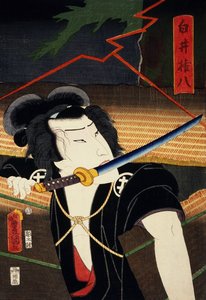
Kyokai Tōryū
Kyokai Tōryū (Kaiten Ekō): A Silent Witness to Edo Japan Kyokai Tōryū, also known as Kaiten Ekō, stands as a singular figure in the annals of Edo-period Japanese art—a testament to monastic devotion interwoven with artistic mastery. Born in Echigo Prefecture around 1779, he ascended to abbatial leadership at Gōtokuji Temple in Musashi in 1832, dedicating his life to spiritual practice while simultaneously cultivating a distinctive visual idiom that continues to resonate today. His legacy rests primarily upon a single masterpiece: the monumental ink drawing of the Sixteen Arhats, completed in…
The Subject Atlas
A chart of Kyokai Tōryū's corpus mapped not by date but by subject. Spokes are what they painted; rings are when; and the threads between stars reveal the patrons and places that secretly connect them.
Spokes — Subject
Each arm of the atlas gathers works by what they depict: portraits, sacred scenes, mythologies, and the scientific studies. Click a spoke to swing that cluster to the top.
Rings — Career Period
Distance from the center marks time. The innermost ring is the earliest period; the outermost, the final years. Style matures as you move outward.
Threads — Shared Context
Coloured lines link works bound by the same patron, commission, or theme. Trace a context to watch related clusters light up across subjects.