Timeless Elegance: A Guide to the Soul and Mastery of Renaissance Portraiture
Discover the profound beauty of Renaissance portraiture. Explore how light, shadow, and humanism immortalize the soul through masterfully hand-painted oil reproductions and bespoke commissions designed to bring timeless elegance into your modern home.
The Dawn of Individualism: Humanism and the Rebirth of the Subject Timeless Elegance: The Soul and Mastery of Renaissance Portraiture The Birth of the Individual: Humanism and the Renaissance Revolution The Renaissance Portrait: From Donatello to Bel...
To step into the world of the Renaissance is to witness a rare, luminous moment in human history where technical capability, philosophical depth, and aesthetic grace converged into a singular, breathtaking peak. Before this era, much of European art served as a symbolic vessel for the divine, often obscuring the individual beneath layers of religious allegory and sacred mystery. However, the emergence of Humanism—a profound intellectual movement that revived the study of Classical antiquity—fundamentally altered the gaze of the artist and the very purpose of the canvas. No longer was the subject merely a placeholder in a sacred narrative; instead, the human being became a subject worthy of intense, scientific, and emotional scrutiny.
This revolution of the individual began to manifest in subtle yet profound shifts during the 14th and 15th centuries. As artists like Robert Campin and Hans Memling integrated recognizable patrons into religious scenes, the boundary between the earthly and the divine began to blur. This was not merely an act of vanity or a display of burgeoning mercantile wealth; it was an assertion of agency. The Renaissance portrait became a vehicle for documenting the unique essence of a person, capturing a specific moment in time that would otherwise vanish into the ether of history. In this new era, the face became a landscape of character, and every line etched by the brush served to immortalize the dignity of human existence.
Mastering the Light: Chiaroscuro and the Sculptural Depth of Form
In art, chiaroscuro (English: kee-AR-ə-SKOOR-oh, -SKURE-, Italian: [ˌkjaroˈskuːro]; lit. 'light-dark') is the use of strong contrasts between light and dark, usually bold contrasts affecting a whole composition. It is also a technical term used by a...
The true magic of the Renaissance masters lay in their ability to manipulate light as if it were a physical substance. One cannot discuss the mastery of this era without invoking Chiaroscuro, the Italian term for "light-dark." This technique involves the use of strong contrasts between light and shadow to achieve a sense of volume and three-dimensional modeling. Through the deliberate application of deep shadows and brilliant highlights, artists were able to sculpt figures out of the darkness, giving them a weight and presence that felt startlingly real to the viewer.
When we observe these works today, we see how this interplay of light creates a dramatic tension that pulls the eye toward the subject's most expressive features. This technique does more than just create depth; it directs our emotional response. By isolating a face or a hand within a pool of light against a dark, receding background, the artist focuses our attention on the soul of the sitter. It is this very mastery of shadow that allows a portrait to transcend a mere likeness and become a living, breathing presence in a room, demanding that we stop, look, and feel the weight of the moment captured.
Symbols of Status: Iconography and the Language of Power in Portraiture
The portraiture of Queen Elizabeth I (1533–1603) spans the evolution of English royal portraits in the early modern period (1400/1500–1800), from the earliest representations of simple likenesses to the later complex imagery used to convey the power ...
Beyond the technical brilliance of light and shadow, Renaissance portraiture functioned as a sophisticated language of status and identity. A portrait was rarely just a face; it was a carefully constructed tableau brimming with social ambition and subtle messaging. Through the use of specific objects—known as iconography—the sitter could communicate their wealth, piety, or political allegiances without uttering a single word. In the portraits of royalty, such as those of Queen Elizabeth I, we see the layering of complex imagery: globes to signify empire, pearls to represent purity, and even roses to denote lineage.
This language extended into the very textures of the painting itself. The meticulous rendering of velvet collars, embroidered sleeves, and heavy gold jewelry served to broadcast the sitter's prosperity. Even in more intimate settings, such as the double portrait of Frans Snyders and his wife by Anthony van Dyck, the arrangement of figures and the richness of the fabrics create a palpable sense of social standing and artistic pride. For the modern collector, understanding these symbols adds a layer of intellectual richness to the viewing experience, turning every brushstroke into a decoded message from the past.
From Royal Majesty to Intimate Connection: The Evolution of the Gaze
Self-portraiture, or autoportraiture, is the field of art theory and history that studies the history, means of production, circulation, reception, forms, and meanings of self-portraits. Emerging in antiquity and becoming popular from the Renaissance...
As the Renaissance progressed, the focus of portraiture underwent a fascinating evolution, moving from the stiff, formal compositions of the early period toward a more profound exploration of the human psyche. Early portraits often utilized the profile view, echoing the dignified and restrained style of ancient Roman coins. These were images of permanence and authority, designed to project an unshakeable public persona. However, as the era matured, artists began to experiment with the three-quarter view and direct eye contact, inviting the viewer into a much more personal dialogue with the subject.
This shift allowed for the emergence of self-portraiture as a significant artistic practice. Artists like Albrecht Dürer used the medium to explore their own identity, turning the lens inward to document their growth, skill, and very existence. This movement toward intimacy paved the way for later masters to capture not just the external trappings of power, but the internal landscape of emotion. We see this transition from the public monument to the private moment—a journey that allows a portrait to act as a direct line to the soul, capturing the raw energy of human identity long before the invention of the camera.
Bringing History Home: Curating Renaissance Elegance in Modern Interiors
Introduction Step into the frame. Portraiture has never been just about capturing a likeness; it is about the raw, unfiltered energy of human identity. It is the original high-definition capture, long before pixels and sensors existed. From the heavy...
In our contemporary world of endless digital scrolling and fleeting aesthetics, there is a profound longing for something permanent, tactile, and meaningful. Bringing the essence of Renaissance portraiture into a modern home is not about recreating a museum; it is about infusing your living space with a sense of timelessness and soul. Whether it is a large-scale multi-panel set that anchors a grand staircase or a single, intimate oil reproduction that adds depth to a study, classical art provides a foundation of elegance that transcends passing trends.
At ArtsDot.com, we believe that everyone should have the confidence to curate a space that tells a story. We specialize in transforming these historical masterpieces into bespoke treasures for your home through our Handmade Oil Reproductions. Our artists, trained in the finest academic traditions, hand-paint each piece on 100% cotton canvas, ensuring that the visible brushstrokes and rich tonal ranges of the Old Masters are preserved. Whether you wish to "remix" history by having a modern photo painted in the style of Rembrandt, or you seek a custom commission to immortalize a family milestone, we provide the bridge between the grandeur of the past and the beauty of your present. Discover how you can bring the light of the Renaissance into your own sanctuary through our personalized art consultations and professional digital mockups.
Experience the visionary "revisited translations" of Duvallier. Masterfully bridging Old World techniques with modern clarity, his exclusive WahooArt collection offers rare, sophisticated interpretations of legendary masterpieces. Shop premium …
Explore the profound drama of chiaroscuro and tenebrism. Discover how masters like Caravaggio used light and shadow to sculpt emotion and volume, creating timeless masterpieces for the discerning collector.
Discover the profound beauty of portraiture art. Explore the history, technique, and enduring legacy of masterworks that capture the human soul through exquisite oil painting and classical artistry.
Explore the rich history of portraiture with ArtsDot.com! Discover symbolism, techniques & master artists from antiquity to modern times. Expert insights for art collectors.
Explore the captivating history of royal portraiture with ArtsDot. Discover the symbolism, artistry, and enduring legacy of regal imagery in art. Expert insights for collectors & enthusiasts.
Explore the enduring legacy of Renaissance humanism in art! Discover how masters like Masaccio & Ghirlandaio celebrated individuality through portraiture. Expert insights and museum-quality reproductions at ArtsDot.



 Renaissance Portraiture: The Art of Capturing the Human Soul through Light, Shadow, and Humanism
 Chiaroscuro
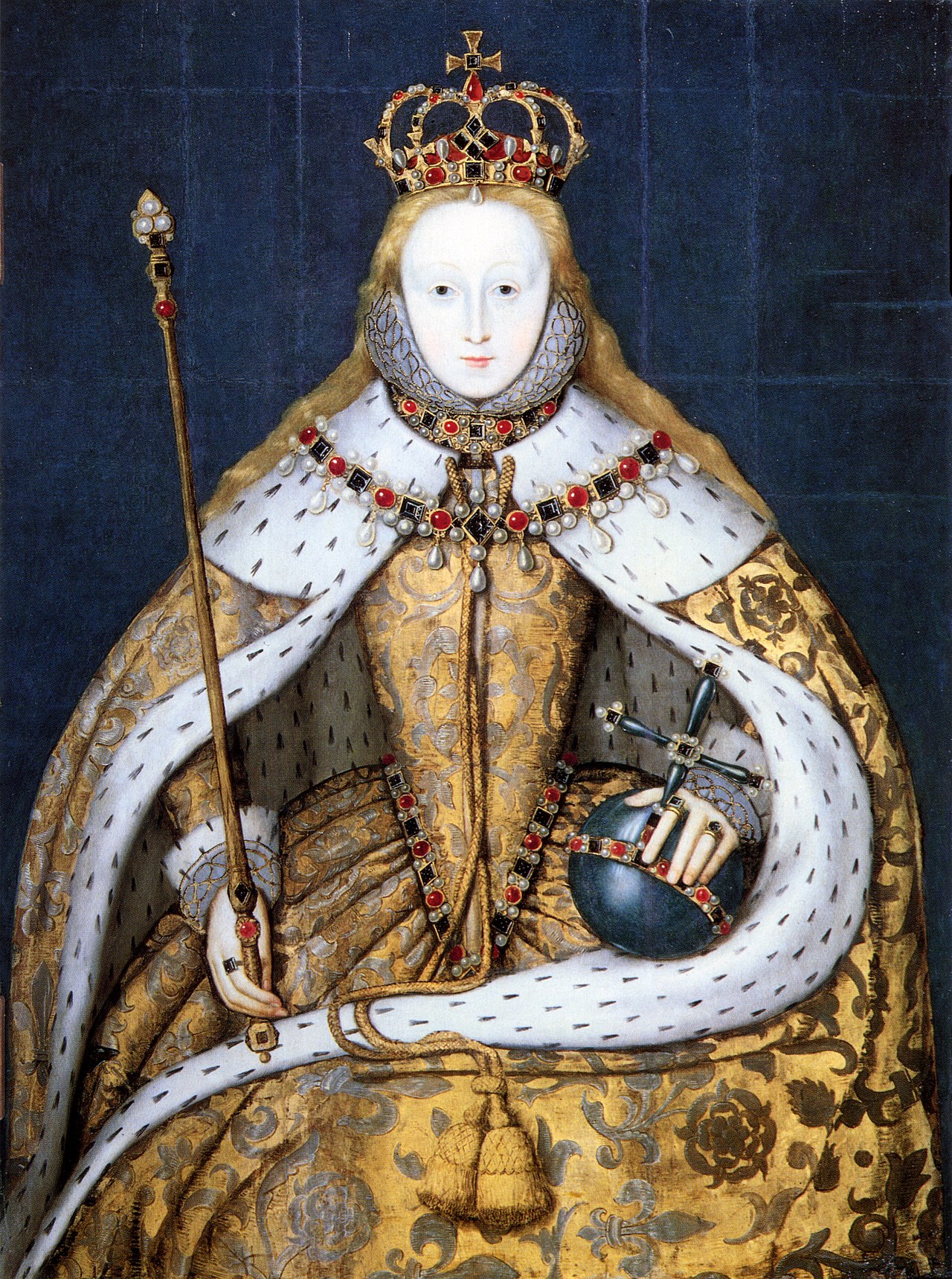 Portraiture of Elizabeth I
 Self-portraiture
 Beyond the Face: 10 Iconic Masterpieces That Redefine Portraiture