Introduction Step into a space where the boundaries between the earthly and the divine begin to blur. To explore religious art is not merely to study history; it is to embark on a journey through the deepest corridors of the human soul. For centuries...
To look upon the imagery of the Virgin Mary is to witness one of the most enduring visual dialogues in human history. It is a continuous thread of emotion, grace, and raw vulnerability that has woven through centuries of artistic evolution. When we speak of the Madonna, we are not merely discussing religious iconography or ancient rituals; we and observing the human attempt to capture the infinite. These works serve as vessels for our deepest beliefs, acting as windows into the soul of civilizations.
The subject of the Madonna and Child transcends simple portraiture. It captures a universal language of motherhood, protection, and the quiet strength found within stillness. Whether through the soft, maternal tenderness of classical oil paintings or the more structured forms of earlier eras, the central theme remains a profound connection between the earthly and the divine. These images invite us to pause and reconnect with themes of sacrifice, redemption, and peace, offering a rare opportunity to reflect on the intersection of the mortal and the eternal.
Gilded Heavens: Byzantine and Medieval Foundations
--- title: Italian Paintings of the Thirteenth and Fourteenth Centuries: Madonna and Child Enthroned with Saints and Angels, and Saints Anthony Abbot and Venantius [entire triptych], 1354 | National Gallery of Art author: Miklós Boskovits url: https:...
In the earlier centuries of Christian art, the depiction of Mary often leaned toward the regal and the distant. In the Eastern Orthodox tradition, known as the Theotokos, these images were frequently characterized by a sense of celestial authority. These icons, such as those from the 6th to 8th centuries, established a formal language of devotion that would influence the West for generations. The use of gold leaf and stylized features served to lift the figures out of the physical world, placing them in an eternal, unchangeable space.
As we move into the late medieval period, particularly within the Italian and Byzantine spheres, we see a growing complexity in how these figures were presented. The development of various subtypes—such as the Hodegetria or the Eleusa—allowed artists to communicate specific theological nuances through posture and gesture. Even in these more rigid forms, there was an emerging sense of spiritual intimacy. The heavy, solemn traditions of the Giottesque era began to provide a foundation for a more nuanced approach to form, where the weight of the divine could be felt through the very texture of the paint and the luminosity of the gold.
Renaissance Humanism: Bringing the Divine to Earth
Captivating Subject and Timeless Theme This exquisite artwork centers on the sacred bond between mother and child, a timeless theme that resonates deeply across cultures and eras. The depiction captures a tender moment of maternal love and divine gra...
The arrival of the Renaissance brought a profound shift in how the sacred was perceived. Masters like Leonardo da Vinci and Raphael began to bring the Madonna down to earth, painting her with a palpable, breathing humanity. This era emphasized naturalism and human emotion, allowing viewers to see a mother cradling her child with a gaze that reflected both profound joy and an intuitive, haunting sorrow. The divine was no longer just a distant concept; it was rendered through the soft sfumato that blurred the edges of a silhouette, making the sacred feel accessible.
This period also saw the expansion of complex familial narratives. We see the emergence of subjects like the Virgin and Child with Saint Anne, where the relationship between generations—the love and tension between mother, daughter, and grandson—is explored. In these works, the emphasis on the humanity of Jesus allowed for a more intimate connection with the viewer. The use of oil painting techniques enabled subtle gradations of tone and an incredible attention to detail, from the delicate folds of fabric to the soft, realistic rendering of skin, bridging the gap between the spiritual realm and our own lived experience.
Exquisite Depiction of Maternal Devotion This captivating oil painting masterfully captures an intimate moment between a gentle mother figure and her cherubic child, embodying the timeless Madonna and Child motif. The tender interaction between the t...
As the centuries progressed into the Baroque period, the quiet serenity of the Renaissance gave way to a more intense, theatrical energy. Artists like Peter Paul Rubens and Caravaggio utilized chiaroscuro—the dramatic interplay of light and shadow—to orchestrate scenes of profound emotional depth. In works such as Rubens' Madonna in a Garland of Flowers, the use of light creates a luminous glow that highlights facial expressions and gestures, pulling the viewer into a sacred space of maternal love.
This era embraced a certain visceral energy. The shadows became deeper, and the light more purposeful, casting ethereal glows upon figures that possessed a startling realism. This technique did not merely decorate a surface; it created a psychological landscape. In the hands of Baroque masters, the Madonna and Child motif became a stage for drama, where the tension between light and dark mirrored the spiritual struggles of the soul. The rich, deep color palettes—dominated by warm reds and subtle golds—imbued these scenes with a sense of sacred reverence that remains deeply resonant.
The Language of Symbols: Deciphering Flowers, Fruit, and Color
Exquisite Depiction of Maternal Divinity This masterful Renaissance painting captures the tender intimacy between the Madonna and Child, a timeless subject that embodies divine love and maternal devotion. The composition draws viewers into a sacred m...
Every element within these classical works is often imbued with symbolic meaning, requiring a careful eye to truly understand the narrative. The colors chosen for the Virgin’s attire were rarely accidental; blue was frequently employed to symbolize purity, virginity, and royalty, often rendered in expensive ultramarine. Red could signify divine love or the passion of Christ, creating a visual shorthand for complex theological truths.
Beyond color, natural elements provided layers of spiritual meaning. In Albrecht Dürer’s Madonna of the Pear, the fruit itself serves as a subtle reference to biblical themes of fertility and the fruit of knowledge. Floral arrangements, much like those in Rubens' work, can represent innocence and divine beauty. Even small details, such as a child grasping a piece of coral or a saint holding a specific attribute, act as keys to unlocking the deeper iconographic program of the painting. To study these works is to learn a visual language where the earthly and the divine are inextricably entwined.
Sanctuaries of Light: Art within its Architectural Context
A Venetian Sanctuary of Light and Shadow In the quiet, labyrinthine corridors of Venice’s Cannaregio district, there exists a sacred space where the boundaries between the earthly and the divine seem to dissolve. The Madonna dell'Orto is far more tha...
To fully appreciate these artworks, one must consider the spaces they were created to inhabit. Many of the most significant Madonna and Child depictions were commissioned for specific altarpieces or chapels, designed to interact with the architecture around them. In Venice, the Madonna dell'Orto stands as a profound example, where the church itself acts as a living chronicle of devotion. The interplay of light through rose windows and the rhythmic grandeur of marble columns provides a stage for the heavy, dramatic canvases of Tintoretto.
Similarly, in Lombardy, the Santuario Madonna dei Miracoli demonstrates how architecture can dictate emotion. The soaring heights of Renaissance domes and the use of light filtering through upper chapels create an atmosphere of contemplative awe. When we view these paintings outside of their original sanctuaries, we are seeing only part of the story; the true power of the art lies in its ability to transform a physical space into a spiritual encounter, where the boundaries between the earthly and the divine seem to dissolve.
Enduring Presence: Integrating Classical Themes into the Modern Interior
While the historical contexts of these works are rooted in the past, their emotional gravity remains strikingly relevant. In our modern, fast-paced world, these pieces offer us a rare opportunity to pause and reconnect with themes of peace and reflection. The texture of a well-executed oil reproduction—with its visible brushstrokes and deeper tonal range—brings a sense of history and substance to a contemporary room.
Integrating such classical themes into a modern interior is about more than decoration; it is about creating a space for contemplation. Whether through a large-scale multi-panel arrangement on a wide wall or a single, focused piece in a quiet corner, these artworks allow us to bring the serenity of the Old Masters into our daily lives. They remind us that the search for meaning is a universal human endeavor, and that even in a secular age, the beauty of a well-placed brushstroke can stir something deeply resonant within us.
At ArtsDot.com, we believe that everyone should feel confident in bringing these profound histories into their homes. Whether you are looking for a hand-painted oil reproduction to serve as a centerpiece or seeking a custom commission that reimagines a classic style for your unique space, our team is here to guide you through the discovery of art that speaks to the soul.
Embark on a sophisticated journey through Italian Baroque art. Discover the dramatic interplay of light and emotion in Caravaggio’s masterpieces and explore how to bring this timeless grandeur into your collection with expert art insights.
Embark on a sophisticated journey through art history with our curated guide to the most iconic Madonna and Child masterpieces. Discover the profound beauty, theological depth, and enduring legacy of these sacred Renaissance treasures.
Embark on a profound journey through art history with our exploration of the most iconic depictions of the Virgin Mary. Discover the divine grace, symbolism, and masterful techniques found in Renaissance masterpieces and sacred iconography.
Journey through the Sienese brilliance of Duccio di Buoninsegna. Explore 25 iconic masterpieces, from the Rucellai Madonna to the Maestà, featuring breathtaking gold leaf and Gothic grace. Find museum-quality art reproductions for your decor. Discover all masterpieces on ArtsDot.com.



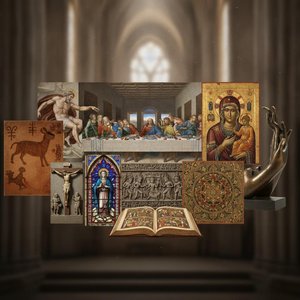 Divine Visions: Top 10 Masterpieces Exploring Religious Themes
 Madonna Litta, ca Tempera on canvas, trans
 Madonna in a Garland of Flowers
 Madonna of the Pear
 Madonna dell'Orto


